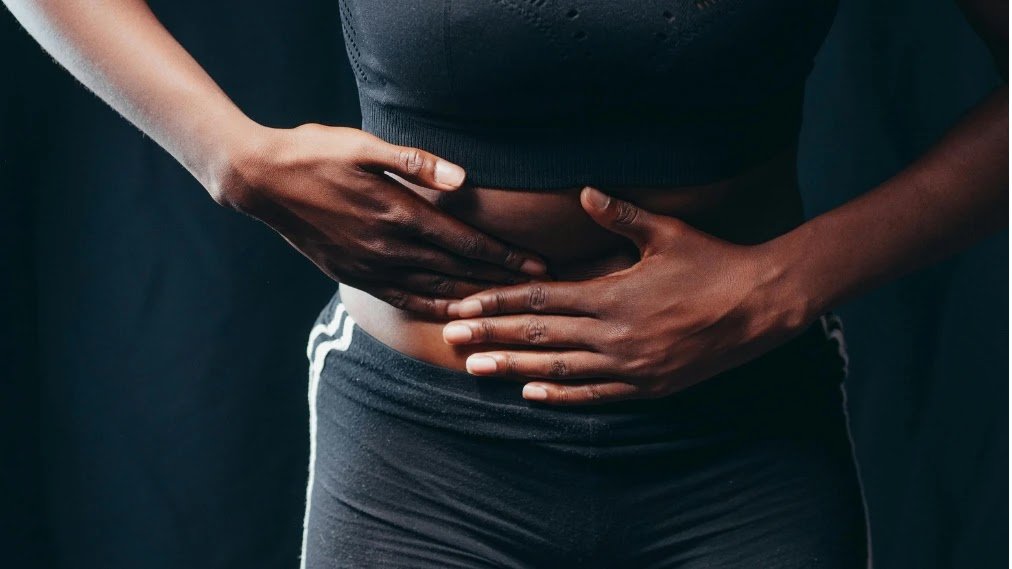
Confused about IBS vs constipation? Learn the key differences in symptoms, triggers, and treatments. Discover how to tell them apart and when to see a doctor.

Introduction
Digestive issues like constipation are common, but sometimes the problem may be more complex — such as Irritable Bowel Syndrome (IBS).
Many people confuse IBS with constipation, leading to delayed diagnosis and improper management.
Here’s the key point:
IBS and constipation are not the same, even though they may share similar symptoms.
Understanding the difference can help you take the right steps for your health.
Understanding the Basics: What’s the Main Difference Between IBS and Constipation?

Let me break this down simply. Constipation is straightforward—it’s when you’re having fewer than three bowel movements per week, you’re straining, and your stools are hard. It’s usually a one-off symptom, not a syndrome. Think of it as your intestines hitting the brakes too hard.
IBS (Irritable Bowel Syndrome) is completely different. It’s a functional disorder, meaning your digestive system looks normal on scans and tests, but it’s not working properly. The big difference? IBS comes with recurrent abdominal pain tied to bowel movements. We’re talking about discomfort or pain at least one day a week for at least three months. That’s the defining feature.
Here’s an analogy that might help: if constipation is a traffic jam, IBS is a car with faulty transmission that sometimes moves fine and sometimes doesn’t, AND the driver’s constantly frustrated about it.
The core distinction is this: constipation is about how often you go and how hard it is to go. IBS is about pain and irregular bowel patterns combined.
Quick Answer: IBS vs Constipation
- Constipation: A condition with infrequent or difficult bowel movements
- IBS (Irritable Bowel Syndrome): A functional digestive disorder that may include constipation, diarrhea, or both
What Is Constipation?
Constipation is a condition where bowel movements become less frequent or difficult to pass.
Common features:
- Hard stools
- Straining
- Infrequent bowel movements
What Is IBS?
IBS (Irritable Bowel Syndrome) is a long-term digestive condition that affects how the gut functions.
Common features:
- Abdominal pain
- Bloating
- Changes in bowel habits
- Constipation or diarrhea
Does IBS Always Include Constipation?
Short answer? No—and this is the point where everything changes.
IBS comes in different flavors. You’ve got IBS-C (constipation-predominant), IBS-D (diarrhea-predominant), and IBS-M (mixed). Some people with IBS experience mostly diarrhea, others alternate between diarrhea and constipation, and some have mainly constipation. It’s like your gut is writing its own rulebook.
The constipation in IBS-C isn’t just about going less frequently—it’s about the whole package. You might have hard stools, straining, incomplete evacuation, and yes, that characteristic abdominal pain or cramping.
So here’s what matters: if you have constipation without the recurrent pain pattern, you probably just have functional constipation. If you have constipation with regular abdominal discomfort that improves after a bowel movement, that’s IBS-C we’re talking about.
“Read our guide on Warning Signs of Chronic Constipation”
Key Symptoms: IBS-C vs Regular Constipation—What’s Really Different?
Let me paint you a picture with a comparison table that actually makes sense:
| Symptom | IBS-C (Constipation-Predominant) | Chronic Constipation |
|---|---|---|
| Bowel Movement Frequency | Fewer than 3 per week | Fewer than 3 per week |
| Abdominal Pain/Cramping | Yes, recurring and linked to bowel movements | Usually absent or mild |
| Pain Pattern | Improves after bowel movement | Not necessarily related to BM |
| Stool Consistency | Often hard or lumpy | Hard, pellet-like |
| Bloating | Significant and persistent | Present but typically less severe |
| Duration of Symptoms | At least 3 months | Ongoing but not necessarily cyclical |
| Triggers | Stress, certain foods, hormones | Diet, dehydration, lifestyle |
| Impact on Daily Life | Often affects work, social activities | May not significantly disrupt life |
What jumps out here? The pain component is the real differentiator. With IBS-C, that discomfort isn’t just inconvenient—it’s a defining feature. It’s happening regularly, and importantly, it typically gets better once you’ve had a bowel movement. That’s the red flag that screams IBS.
Is Abdominal Pain a Sign of IBS or Just Constipation?
This is the golden question, and I want you to really pay attention here.
If you’re experiencing abdominal pain, the presence and pattern of that pain matters enormously. Not all constipation-related pain is IBS. You can definitely get cramping or discomfort from being constipated—your colon is literally working overtime to push things through.
But here’s the IBS-specific pattern: the pain tends to be recurrent and cyclical. You’ll notice it building, then improving after you go to the bathroom. It’s not just an occasional “ugh, I feel bloated” situation—it’s more like a weekly or daily visitor that shows up with predictability.
IBS pain also tends to be more in the lower abdomen and can shift around. It might be centered on your left side one day and more general the next. This variability is actually pretty typical for IBS.
With plain constipation, the discomfort is usually more situational—it gets worse as you become more constipated and better once you’ve gone, then it might not come back for weeks.
The real test: Track your pain for a couple of weeks. Does it happen regularly in connection with your bowel movements? If yes, that’s pointing toward IBS. If it’s occasional and disconnected from your bathroom schedule, you’re probably looking at regular constipation.
How Do IBS-C Symptoms Differ From Chronic Constipation?
Let me dig deeper because this matters for treatment decisions.
Chronic constipation is primarily a motility issue—your gut muscles aren’t contracting properly to move things along. It’s mechanical. Treatment usually involves:
- Adding fiber
- Increasing water intake
- Using osmotic laxatives like Miralax
- Sometimes prescription motility agents
The problem’s usually solved once you address these factors.
IBS-C involves a more complex dysfunction. It’s not just about muscle contractions; there’s also a sensory component where your gut is more sensitive to normal stimuli. You might feel pain from something that wouldn’t bother someone without IBS. There’s often a stress and emotional component too.
That’s why IBS-C treatment is more multi-faceted:
- Low FODMAP diet modifications
- Stress management and therapy
- Prescription drugs like Linzess that work differently than regular laxatives
- Sometimes antidepressants (not because you’re depressed, but because they affect gut sensitivity)
Here’s something crucial: if you have chronic constipation and you keep adding more and more fiber without seeing improvement, that might be a sign you actually have IBS-C. Some people with IBS-C actually feel worse with excessive fiber.
“Check our article on Best Foods for Chronic Constipation”
Can Constipation Turn Into IBS?

I’m asked this question frequently, and the answer is more complex than a simple yes or no. You can’t really “develop” IBS from constipation in a straightforward way. IBS is considered a functional disorder—it’s how your gut is wired, often with genetic and stress-related components. It’s not something you catch or that develops from another condition.
However—and this is important—sometimes people have IBS that goes undiagnosed while they’re being treated for constipation. They try the standard constipation treatments, they don’t work well, and then eventually they get properly evaluated and discover they have IBS-C all along.
What can happen is that chronic constipation can trigger IBS-like symptoms in some people. Prolonged distension of the colon can alter gut sensitivity and motility patterns. So the constipation itself might have sparked changes in how your gut behaves.
Think of it this way: the constipation was the initial problem, but it might have created conditions for IBS to develop or become noticeable.
Bloating: Why Is It Worse in IBS-C or Chronic Constipation?
Okay, let’s talk about bloating because it’s often the most annoying part.
Both conditions cause bloating, but the mechanisms are different, and the severity usually varies.
With chronic constipation, bloating comes from the physical backup. Stool sits in your colon longer, gas builds up, and you start to feel uncomfortably full. It’s pretty straightforward cause and effect. Usually, once you finally go to the bathroom, the bloating improves significantly.
With IBS-C, the bloating is often worse and more persistent. Here’s why: your gut is more sensitive to gas production and distension. Even normal amounts of gas might make you feel massively bloated. Additionally, people with IBS often have altered bacterial flora and increased sensitivity to normal colonic movements.
Research suggests that IBS-C typically causes more bloating than chronic constipation alone. You might feel bloated even when you don’t have a lot of stool backed up. Some people with IBS-C describe it as their stomach looking noticeably distended by evening, even if they haven’t eaten much.
The low-FODMAP diet (which limits certain carbohydrates that ferment in the gut) often helps IBS-C bloating significantly, but it’s less typically needed for regular constipation.
Stress, Triggers, and You: What Makes Each Condition Worse?
Here’s where IBS and constipation truly diverge in a way that matters for your daily life.
Constipation triggers are mostly physical:
- Low fiber intake
- Dehydration
- Lack of physical activity
- Certain medications
- Ignoring the urge to go
- Changes in routine
Fix those, and you often fix the problem.
IBS triggers are broader and include emotional/psychological factors:
- Stress and anxiety (this one’s huge)
- Hormonal changes (especially in women around menstruation)
- Certain foods (not just low fiber—specific trigger foods vary)
- Lack of sleep
- Major life events
- Even anticipatory anxiety about having symptoms
I’ve seen people with IBS-C who notice their symptoms flare up right before an important presentation at work or when they’re going through a stressful period. That mind-gut connection is real. For someone with chronic constipation, work stress might not directly make them more constipated.
Does stress affect IBS more than constipation? Absolutely, yes. The stress-IBS connection is well-documented in medical literature. Your nervous system and your gut are intimately connected through something called the gut-brain axis. For IBS, managing stress becomes as important as diet and medication.
When Should You See a Doctor? The Timing Question
It’s natural to wonder when self-treatment is no longer enough and medical advice becomes necessary.
See a doctor for constipation if:
- It’s lasted more than a few weeks despite dietary changes
- You’re experiencing severe pain
- There’s blood in your stool
- You have unexplained weight loss
- You notice a sudden change in your normal pattern
See a doctor for IBS if:
- You have recurrent abdominal pain or cramping that’s affecting your quality of life
- Your bowel habits have changed significantly
- You want confirmation of diagnosis (IBS requires specific diagnostic criteria)
- Over-the-counter treatments aren’t helping
- You want to rule out other conditions
Here’s my honest take: if you think it might be IBS, definitely see a doctor. IBS isn’t something to self-diagnose. A healthcare provider can rule out other conditions (like celiac disease, inflammatory bowel disease, or infections) and confirm whether it’s actually IBS. The diagnosis itself is based on specific criteria called the Rome criteria, which doctors use.
For plain constipation, you might manage it with lifestyle changes, but if it persists more than a few weeks, that’s also worth a medical visit.
Can Diet Distinguish IBS From Constipation?

This is a fascinating question because diet plays a role in both, but differently.
For constipation, the diet fix is usually straightforward:
- Increase fiber (gradually)
- Drink more water
- Add fruits, vegetables, whole grains
Most people with simple constipation improve significantly with these changes.
For IBS-C, diet is more complex:
- Standard high-fiber advice might backfire
- You often need specific modifications like the low-FODMAP diet
- Individual trigger foods vary widely
- You might need to eliminate foods others tolerate fine
Here’s a practical test: if you add more fiber and things get worse (more bloating, more pain), that’s a red flag for IBS-C rather than simple constipation. People with IBS-C often discover they feel better with less fiber (especially soluble fiber that ferments).
The low-FODMAP diet is specifically designed for IBS and helps many people. It reduces certain carbohydrates that your gut ferments, creating gas and symptoms. If you try it and notice significant improvement, that’s pretty suggestive of IBS.
“Read our guide on Top 10 Gut Health Tips”
Are There Tests to Differentiate IBS-C From Functional Constipation?
Good news and not-as-good news here.
The good news: doctors can run tests to rule out serious conditions (colonoscopy, blood tests, imaging) that might mimic IBS or constipation.
The not-as-good news: there’s no single blood test or imaging study that definitively diagnoses IBS. The diagnosis is made clinically using the Rome IV criteria—a set of symptom-based guidelines that doctors follow.
That said, some specialized tests can help:
- Colonic transit studies measure how fast or slow things move through your colon
- Anorectal manometry tests the function of your anal sphincter
- Defecography shows how well you can evacuate
- Hydrogen breath testing can reveal food intolerances
These tests help differentiate between different types of functional constipation and IBS, but they’re not routine. Your doctor would order them if there’s something specific to investigate.
In practice, the diagnosis often comes from ruling things out and seeing how you respond to treatment. If you have all the IBS symptoms and a doctor’s evaluation fits the Rome criteria, that’s IBS-C. If you have simple constipation patterns without the recurrent pain, that’s functional constipation.
What Most People Get Wrong
Many people treat IBS like simple constipation.
IBS requires a broader approach, not just diet changes.
Causes: How They Differ
Constipation Causes:
- Low fiber intake
- Dehydration
- Lack of activity
IBS Causes:
- Gut sensitivity
- Stress
- Digestive system dysfunction
What Triggers Make Constipation Feel Like IBS?
Here’s an interesting scenario: sometimes constipation itself can create IBS-like symptoms temporarily.
Imagine this: you become significantly constipated. Your colon’s distended. You start experiencing abdominal discomfort. You might even develop some pain. From the outside, it looks like IBS, but it’s really secondary to the constipation.
Triggers that can make constipation feel IBS-like:
- Travel (changes routine, stress, dehydration)
- Dietary changes (less fiber, different foods)
- Medication side effects
- Stress and anxiety
- Hormonal changes
- Ignoring bathroom urges
The distinction? This pain usually resolves once the constipation is treated. True IBS pain persists even after you have regular bowel movements.
When to See a Doctor
Seek medical help if:
- Symptoms persist for weeks
- Severe abdominal pain occurs
- There is blood in stool
- Unexplained weight loss
Practical Management Tips
For Constipation:
- Increase fiber
- Stay hydrated
- Maintain routine
For IBS:
- Identify trigger foods
- Manage stress
- Follow medical advice
Frequently Asked Questions: Your Concerns Answered
Q1: How long should I wait before consulting a doctor?
If symptoms persist more than 3-4 weeks or worsen, don’t wait. If you suspect IBS, it’s worth getting evaluated sooner rather than later.
Q2: Is IBS permanent?
IBS is chronic but manageable. Many people see significant symptom improvement with proper treatment and lifestyle changes.
Q3: Can I self-diagnose using online symptom checkers?
Not reliably. Too many conditions can look similar. Always confirm with a healthcare professional.
Q4: Will my constipation eventually become IBS?
Not in a direct way, but if you have underlying IBS that’s undiagnosed, it might become more apparent over time.
Q5: Is IBS worse in women than men?
Yes, women report IBS symptoms more frequently and often experience worsening around menstrual cycles.
Q6: Can I fix IBS just by changing my diet?
Diet is important but usually not the complete solution. Most people need a combination of diet, stress management, and sometimes medication.
Q7: What’s the difference between IBS-C and IBS-M?
IBS-C is constipation-predominant. IBS-M (mixed) means you alternate between constipation and diarrhea.
Q8: Should I take fiber if I think I have IBS?
Carefully. Increase gradually and watch your symptoms. Too much fiber can worsen IBS. Less is often more.
Q9: Does IBS cause weight loss?
IBS itself doesn’t typically cause weight loss. If you’re losing weight unintentionally, see a doctor—there might be something else going on.
Q10: Can stress alone cause IBS?
Stress can trigger IBS flares and might contribute to its development, but IBS isn’t purely stress-induced. It’s a multifactorial condition.
Q11: How long does treatment take to work?
For constipation: days to weeks. For IBS-C: 2-8 weeks typically, sometimes longer. Consistency matters.
Q12: Can I become dependent on laxatives?
With stimulant laxatives (like senna), yes. With fiber and osmotic laxatives, dependence is less likely.
Reality Check
Not all digestive problems are simple constipation.
If symptoms are ongoing or include pain, it’s important to consider conditions like IBS.
The Bottom Line: Your Path Forward
Here’s what I want you to take away from this conversation:
Constipation and IBS are different problems requiring different approaches. Constipation is about frequency and consistency of stools. IBS-C involves pain that connects to your bowel movements and involves a more sensitive, reactive gut.
If you’re experiencing constipation without significant abdominal pain, you likely have functional constipation. Start with hydration, fiber, and lifestyle changes. If those don’t work in a few weeks, see a doctor.
If you have recurrent abdominal pain linked to bowel movements, bloating that won’t quit, and constipation that doesn’t respond to standard remedies, you’re probably looking at IBS-C. This needs professional evaluation and a more targeted treatment approach.
The important part: don’t suffer silently. Both conditions are treatable. The key is accurate diagnosis, which means professional evaluation.
Your action items:
- Track your symptoms for 2 weeks (note pain patterns, frequency, triggers)
- Schedule a doctor’s appointment if symptoms are impacting your life
- Be honest with your doctor about everything—stress, diet, emotional factors included
- Once you know what you’re dealing with, commit to a treatment plan and give it time to work
Conclusion: You’ve Got This
Your gut isn’t trying to ruin your life—it’s just sending signals that something needs attention. Whether it’s simple constipation or IBS-C, the good news is that both are manageable with the right approach.
The fact that you’re reading this and trying to understand your body better? That’s actually a huge first step. Most people just suffer and hope it goes away.
Don’t be that person. Get clarity, get evaluated, and get the right treatment. Your quality of life is worth it.
Have you experienced confusion between these two conditions? Or have you found a treatment that finally works for you? Share your experience in the comments—your insight might help someone else figure things out too.
Author Bio
Hi, I’m MACHHINDRA Jadhav — a passionate Health Content Writer with 4+ years of experience in the health and wellness space. I specialize in breaking down complex topics like Disease & Conditions, Fitness, Mental Health, and Nutrition into simple, practical advice you can actually use in your daily life.
My goal is not just to inform, but to empower you to take control of your health naturally and confidently. Every article I write is backed by research, real insights, and a deep commitment to helping people live healthier, stronger, and more balanced lives.
If you’re looking for clear, honest, and actionable health guidance — you’re in the right place.
References
- National Institute of Diabetes and Digestive and Kidney Diseases (NIDDK)
- Mayo Clinic
- World Health Organization (WHO)
Disclaimer
This content is for informational purposes only and should not replace professional medical advice. Always consult a qualified healthcare provider for diagnosis and treatment.