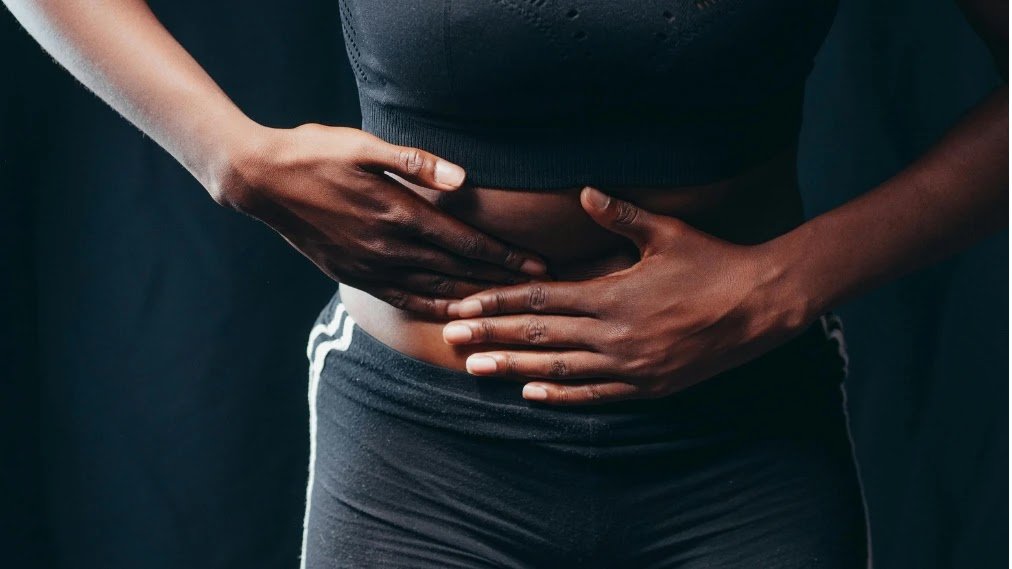
Discover 7 critical signs of gut health problems and what they reveal about your digestive system. Learn how bloating, fatigue, and other symptoms indicate microbiome imbalance and when to seek help.

Introduction
You know that uncomfortable, bloated feeling after lunch? Or maybe you’ve noticed yourself feeling inexplicably tired by 3 PM, even though you slept a solid eight hours. If these scenarios sound familiar, your digestive system might be waving a red flag—and honestly, most of us are ignoring it.
Here’s something I wish someone had told me earlier: your gut isn’t just about digestion. It’s basically the command center of your entire body. When things go wrong down there, you feel it everywhere—your energy levels crash, your skin acts up, your mood takes a nosedive, and you’re left wondering why you feel like you’re running on empty.
Gut health problems are becoming increasingly common, especially in India where our diets are rapidly changing and stress levels are through the roof. The worst part? Many people don’t even realize their symptoms are connected to their digestive system. They’re popping antacids, visiting dermatologists for skin issues, and seeing therapists for brain fog—when the real culprit might be lurking in their microbiome.
In this guide, I’m breaking down the seven unmistakable signs of poor gut health that you absolutely shouldn’t ignore. Think of this as your digestive system’s way of sending you an SOS signal. Let’s take a closer look at what it’s indicating.
Affiliate Disclosure:
This article contains affiliate links, including Amazon affiliate links. This means that if you click on a product link and make a purchase, I may earn a small commission at no extra cost to you. These commissions help support this website and allow me to continue creating helpful, well-researched content for readers.
I only recommend products that I genuinely believe are useful and relevant for improving health, comfort, and productivity for users. All opinions expressed in this article are my own.
Quick Answer: What Are Gut Health Problems?
Gut health problems refer to issues that affect the digestive system, including:
- Bloating
- Constipation
- Diarrhea
- Gas
- Abdominal discomfort
The 7 Signs Your Digestive System Is in Trouble
1. Chronic Bloating: When Your Belly Feels Like an Overinflated Balloon
Let me be real with you—if you’re bloating after almost every meal, that’s not normal. It’s also not something you should just accept as “part of life” or “how my stomach works.”
Bloating and gut issues go hand-in-hand, and here’s why: when your gut bacteria are out of balance (a condition called dysbiosis), they produce excess gas when breaking down food. Instead of that gas moving smoothly through your digestive tract, it gets trapped, creating that uncomfortable, puffy sensation that makes you want to change into your loosest pants by evening.
The thing is, bloating isn’t just uncomfortable—it’s your gut’s way of saying the microbiome is struggling. A healthy gut processes food efficiently, minimizes gas production, and keeps you feeling light. When you’re constantly dealing with bloating, it often signals:
- Poor bacterial balance (too many bad bacteria, not enough good ones)
- Food sensitivities you haven’t identified yet
- Inadequate stomach acid for proper digestion
- Weak digestive motility (your gut isn’t moving food through efficiently)
If you notice bloating happens consistently with certain foods—say, after your morning coffee or evening dal—that’s valuable intel. Track these patterns. They’re clues about what your specific gut might be struggling with.
2. Fatigue That Won’t Quit: The Energy Drain Connection
Fatigue from poor gut health is sneaky because you might not immediately connect your exhaustion to your digestive system. You’ll blame it on stress, lack of sleep, or just getting older.
But here’s what’s actually happening: your gut is where about 95% of your serotonin is produced. Yes, you read that right. The neurotransmitter that regulates your mood, energy, and sleep—it’s primarily made in your intestines, not your brain. When your gut health suffers, serotonin production plummets, and suddenly you’re exhausted for no apparent reason.
Additionally, a damaged gut lining means you’re not absorbing nutrients properly. Even if you’re eating a nutritious diet, your body might not be getting the iron, B12, magnesium, and other energy-critical nutrients it needs. You could be feeding your body while simultaneously starving it of what it actually uses.
I’ve talked to dozens of people who finally figured out their chronic fatigue was gut-related. Once they addressed their digestive issues—through better food choices, probiotics, or eliminating triggers—their energy returned like flipping a light switch. Suddenly, they weren’t reaching for their third coffee by 11 AM.
3. Constant Constipation or Diarrhea: The Motility Problem

Let’s talk poop. I know it’s not dinner conversation, but honestly, your bowel habits are one of the most honest reflections of your gut health.
Constipation digestive trouble happens when your gut isn’t moving food through efficiently. This could be because:
- Your gut bacteria aren’t producing enough short-chain fatty acids to stimulate bowel movements
- You’re dehydrated
- You’re lacking fiber
- Your gut motility is genuinely impaired
On the flip side, IBS symptoms like chronic diarrhea indicate your gut is irritated and inflamed. Your digestive system is essentially saying, “Get this out of me NOW.”
Healthy digestion should result in regular, easy-to-pass bowel movements—ideally once or twice daily. If you’re straining or running to the bathroom constantly, that’s not normal, and more importantly, it’s not sustainable for your gut health. You’re either not giving your digestive system the support it needs, or something is actively irritating it.
“If you’re learning about gut health, I’ve also written a detailed guide on chronic constipation that’s worth reading. The post is called Warning Signs of Chronic Constipation.
4. Brain Fog and Mental Clarity Issues: The Gut-Brain Axis
Ever have one of those days where you feel mentally foggy? Like you’re moving through life in slow motion, struggling to concentrate or remember simple things?
Brain fog gut connection is absolutely real, and it’s rooted in something called the gut-brain axis. Your gut and brain are in constant communication through the vagus nerve, hormones, and the immune system. When your gut is inflamed or dysbiotic, it sends stress signals to your brain. The result? Mental fog, difficulty concentrating, and even mood changes.
Here’s something fascinating: many people with chronic brain fog don’t realize they’re also experiencing leaky gut warning signs. When your intestinal lining becomes damaged (often from inflammatory foods, stress, or pathogenic bacteria), undigested food particles can slip into your bloodstream. Your immune system sees these as invaders and activates an inflammatory response. This whole-body inflammation directly affects cognitive function.
You might notice this manifests as:
- Difficulty focusing at work
- Memory lapses
- Slower decision-making
- General mental heaviness
- Anxiety or racing thoughts
If you find yourself struggling mentally despite sleeping well and managing stress, your gut might be the missing piece in the puzzle.
5. Unexpected Skin Issues: The Gut-Skin Connection
Okay, here’s something that blew my mind when I first learned about it: skin issues unhealthy gut connection is so strong that dermatologists are increasingly asking patients about their digestive health.
Your skin is often a window into your gut health. When your microbiome is imbalanced, it triggers:
- Recurring pimples, mainly concentrated on the jawline and chin
- Eczema and psoriasis flare-ups
- Rosacea and chronic redness
- Unexplained rashes or hives
- Dull, uneven skin tone
Why? Because an unhealthy gut leads to increased intestinal permeability (leaky gut), which allows bacteria and toxins to enter your bloodstream. Your immune system mounts an inflammatory response, and guess where that inflammation shows up? Your skin.
Additionally, when your gut bacteria are out of balance, you produce less of the beneficial bacterial metabolites that keep your skin healthy and glowing. You’re essentially losing your internal skincare routine.
I’ve seen people spend hundreds on expensive skincare treatments, only to have their skin clear up dramatically once they fixed their gut health. It’s that powerful.
6. Food Intolerances and Allergic Reactions: The Sensitivity Spiral
Have you noticed you’re suddenly sensitive to foods you used to eat without problems? Maybe dairy now causes bloating, or bread makes you feel sluggish?
Food intolerance gut problems often develop when your gut lining is compromised. A healthy intestinal barrier carefully controls what gets absorbed into your bloodstream. A damaged barrier lets through partially digested food particles, triggering immune reactions.
Here’s the frustrating part: it’s not necessarily that the food is bad. It’s that your gut isn’t in a position to handle it right now. This is why elimination diets can help, but they’re not a permanent solution—you need to heal the underlying gut issue.
How do food intolerances relate to gut trouble? It’s simple: your immune system is hyperactive because your gut is inflamed. Once you calm the inflammation and restore your gut lining, many of these intolerances often resolve naturally.
People with poor gut health often experience intolerances to foods such as:
- Dairy (lactose intolerance)
- Gluten (non-celiac gluten sensitivity)
- Refined sugar
- High-FODMAP foods
- Processed vegetable oils
7. Unexplained Weight Changes: The Metabolic Mystery
This tends to shock people when they first learn about it. Weight changes gut issues can manifest as either unexpected weight gain or difficulty losing weight, despite your best efforts.
Here’s what’s happening: your gut bacteria actually influence how many calories you extract from food and how you store energy. An unbalanced microbiome can slow your metabolism, increase inflammation (which contributes to water retention), and mess with the hormones that regulate hunger and satiety.
Additionally, dysbiosis increases cravings for sugar and processed foods—partly because pathogenic bacteria literally signal your brain to feed them. You’re not weak-willed; your gut bacteria are basically hijacking your appetite.
Weight changes can also be the result of malabsorption. You’re eating food, but your damaged gut lining isn’t absorbing the nutrients, so your body keeps signaling hunger to get what it needs.
Garden of Life Probiotic Supplement for Women
Dr. Formulated Once Daily Womens for Digestive Health, Shelf Stable, 30 Count Capsules

Why Gut Health Matters
A healthy gut helps:
- Proper digestion
- Nutrient absorption
- Strong immune function
Poor gut health can disrupt these processes.
What Most People Get Wrong
Many people focus only on food.
In reality, lifestyle, stress, and routine play an equally important role in gut health.
Foods That Improve Gut Health
- Yogurt and fermented foods
- Fiber-rich fruits and vegetables
- Whole grains
- Nuts and seeds
Understanding the Bigger Picture: Common FAQs About Gut Health Problems
What Are the Main Signs of Gut Health Problems?
The seven signs we’ve covered are your biggest red flags. But beyond these, pay attention to:
- Recurring infections (your gut bacteria support immune function)
- Joint pain or inflammation (linked to leaky gut)
- Mood disorders (depression, anxiety)
- Autoimmune flare-ups
Why Does Poor Gut Health Cause Fatigue?
Poor nutrient absorption, reduced serotonin production, and whole-body inflammation all contribute to that exhausted feeling.
Can Stress Worsen Signs of Poor Gut Health?
Absolutely. Stress triggers inflammation, increases intestinal permeability, and disrupts your bacterial balance. It’s a vicious cycle—stress hurts your gut, which increases anxiety, which causes more stress.
What Role Does Diet Play in Digestive System Trouble?
Diet is everything. Processed foods, excess sugar, and inflammatory oils damage your gut lining. Conversely, fiber-rich whole foods, fermented products, and polyphenol-rich foods feed your beneficial bacteria and heal your gut.
Knowing When to Get Medical Help for Gut Symptoms
If your symptoms persist for more than two weeks, are severely impacting your quality of life, or you notice blood in your stool, see a healthcare provider. Don’t self-diagnose or self-treat severe cases.
Is Diarrhea a Common Sign of Gut Imbalance?
Yes. Chronic diarrhea often indicates dysbiosis, food sensitivity, or intestinal inflammation. Pay attention to patterns—does it happen with specific foods or stressful situations?
How Does Leaky Gut Cause Systemic Symptoms?
When your intestinal barrier is compromised, larger molecules pass into your bloodstream, triggering whole-body inflammation. This affects your skin, joints, brain, and immune system.
“Read our guide on IBS vs Constipation: Key Differences”
The Microbiome Factor: Why Your Gut Bacteria Matter So Much
Let me introduce you to the real MVP of your digestive system: your microbiome. This is the community of trillions of bacteria living in your gut. And here’s the thing—they’re not just along for the ride. They’re actively managing your digestion, producing essential nutrients, regulating your immune system, and even influencing your mood.
When we talk about gut imbalance signs, we’re essentially talking about dysbiosis—an imbalance where harmful bacteria outnumber beneficial ones. This happens due to:
- Antibiotic overuse (kills both bad and good bacteria)
- Poor diet (processed foods feed pathogenic bacteria)
- Chronic stress (literally changes your microbial composition)
- Insufficient sleep (disrupts bacterial rhythms)
- Lack of dietary diversity (beneficial bacteria need variety to thrive)
A healthy microbiome is diverse, resilient, and balanced. You want lots of different bacterial species working together. A compromised microbiome is simplified and dominated by a few harmful species.
| Aspect | Healthy Microbiome | Dysbiotic Microbiome |
|---|---|---|
| Diversity | High (100+ species) | Low (dominated by few species) |
| Inflammation | Minimal | Chronic |
| Nutrient Absorption | Optimal | Compromised |
| Mood & Energy | Stable | Erratic |
| Immune Function | Strong | Weakened |
| Disease Risk | Lower | Higher |
What You Can Do: Practical Steps Toward Better Gut Health

Step 1: Identify Your Triggers
Document your daily food choices and related symptoms for two weeks. Note everything you eat and any symptoms that appear (bloating, fatigue, skin issues, mood changes). Patterns will emerge.
Step 2: Reduce Inflammatory Foods
Cut back on:
- Processed foods
- Refined sugar
- Vegetable oils (seed oils)
- Excessive alcohol
Step 3: Increase Gut-Friendly Foods
Add more:
- Fiber-rich vegetables and fruits
- Fermented foods (yogurt, kimchi, sauerkraut, idli)
- Bone broth
- Omega-3 rich foods
Step 4: Consider Targeted Support
Depending on your specific issues, you might benefit from:
- Probiotics (beneficial bacteria strains)
- Prebiotics (food for good bacteria)
- L-glutamine (heals gut lining)
- Slippery elm or bone broth (soothes intestinal lining)
Step 5: Manage Stress
Stress management isn’t optional—it’s essential for gut healing. Practice meditation, yoga, regular exercise, or whatever helps you decompress.
Signs of a Healthy Gut
- Regular bowel movements
- No bloating or discomfort
- Stable energy levels
- Good digestion
Popular Products That Support Gut Health (For Reference)
While healing your gut is primarily about diet and lifestyle, some people find targeted supplements helpful:
Zenwise Health Digestive Enzymes With Probiotics

Note: Always consult with a healthcare provider before starting new supplements, especially if you’re on medications.
The Real Talk: How Long Does Gut Healing Take?
Here’s what nobody tells you: healing your gut takes time. You’re not just treating symptoms; you’re rebuilding an entire ecosystem. Most people start feeling noticeably better within 2-4 weeks of making dietary changes. But true gut healing? That’s typically a 3-6 month process, sometimes longer depending on the damage.
The good news? It’s entirely reversible. Your gut has remarkable capacity to repair itself when you give it the right conditions.
Why You Shouldn’t Ignore These Signs
I get it—you’re busy. Balancing work deadlines, family responsibilities, and an endless stream of tasks isn’t easy. It’s easy to dismiss bloating as “just how my stomach is” or fatigue as “part of getting older.”
But here’s the reality: ignoring signs of poor gut health doesn’t make them go away. They typically get worse. What starts as occasional bloating becomes chronic IBS. What feels like manageable brain fog becomes debilitating. What used to be clear skin becomes persistent acne.
Good gut health supports nearly every aspect of your well-being. When you take care of it, everything else becomes easier—weight management, mental clarity, energy, immunity, skin health, and emotional balance. When you ignore it, you’re building a house on sand.
Daily Routine for Better Gut Health
- Start with warm water
- Eat balanced meals
- Avoid long gaps between meals
- Stay physically active
Connection to Other Digestive Problems
Poor gut health is often linked to:
- Chronic constipation
- IBS
- Indigestion
When to See a Doctor
Consult a healthcare professional if:
- Symptoms persist
- Severe pain occurs
- There is unexplained weight loss
- Blood in stool is noticed
Frequently Asked Questions (FAQs)
Can gut health improve naturally?
Yes, lifestyle and diet changes can help significantly.
How long does it take to improve?
It varies, but consistency is key.
Does stress affect gut health?
Yes, stress plays a major role.
Is gut health important?
Yes, it impacts overall health and well-being.
Reality Check
Improving gut health is not about quick fixes.
It requires consistent lifestyle changes over time.
Your Action Plan Starts Today
I’m not asking you to overhaul your entire life tomorrow. Start small:
- This week: Start your food and symptom journal
- Next week: Identify your top three trigger foods and eliminate them for two weeks
- Week 3: Add three gut-supporting foods to your daily diet
- Week 4: Reassess how you’re feeling
Keep notes. Track your energy, skin, digestion, and mood. You’ll be amazed at the changes you notice once you start paying attention to your gut.
Remember, gut health problems are incredibly common, but they’re also incredibly fixable. You’re not broken; your gut just needs some support and attention. And the best part? You have the power to give it that support right now.
Your future self—the one with consistent energy, clear skin, stable mood, and easy digestion—is counting on you to take this seriously today.
“Check our article on Best Foods for Chronic Constipation”
Final Thoughts
Your digestive system is constantly sending you messages. The bloating, the fatigue, the brain fog, the skin issues—these aren’t random inconveniences. They’re signals that something needs attention.
The seven signs we’ve discussed today are your gut’s way of asking for help. The good news? Help is available, and it starts with awareness and action.
This isn’t about following a restrictive diet or becoming obsessed with your digestive system. It’s about making informed choices that support your body’s natural healing ability. It’s about listening to what your gut is telling you and responding with compassion and knowledge.
Start where you are. Use what you know. Do what you can. Your gut will thank you for it.
Authority Bio:
Hi, I’m MACHHINDRA Jadhav — a passionate Health Content Writer with 4+ years of experience in the health and wellness space. I specialize in breaking down complex topics like Disease & Conditions, Fitness, Mental Health, and Nutrition into simple, practical advice you can actually use in your daily life.
My goal is not just to inform, but to empower you to take control of your health naturally and confidently. Every article I write is backed by research, real insights, and a deep commitment to helping people live healthier, stronger, and more balanced lives.
If you’re looking for clear, honest, and actionable health guidance — you’re in the right place.
References
- National Institute of Diabetes and Digestive and Kidney Diseases (NIDDK)
- Mayo Clinic
- World Health Organization (WHO)
Disclaimer
This content is for informational purposes only and should not replace professional medical advice. Always consult a qualified healthcare provider for diagnosis and treatment.