Discover the warning signs of chronic constipation, when to see a doctor, and India-specific remedies. Learn about red flags, symptoms, and treatment options for chronic bowel issues.

Introduction: When Silence Isn’t Golden
Let’s be real—nobody wants to talk about bathroom habits. It’s awkward, it’s personal, and frankly, we’d all rather discuss literally anything else. But here’s the thing: your gut is constantly sending you messages, and if you’re ignoring them, you might be sitting on a problem that’s bigger than you think.
Chronic constipation isn’t just an inconvenience. It’s your body waving a red flag, saying “Hey, we’ve got a situation here.” Unlike that random time you skipped a day after eating too much panipuri, chronic constipation sticks around—and it can genuinely affect your quality of life, your energy, and sometimes, it’s a sign that something more serious needs attention.
The tricky part? Many individuals fail to recognize the signs of constipation. We normalize irregular bowel movements, dismiss bloating as just “how our body works,” and shrug off that nagging discomfort. But understanding the warning signs of chronic constipation is the first step toward actually doing something about it.
So let’s dive deep. I’m going to walk you through everything you need to know—the red flags you shouldn’t ignore, the questions you’ve probably wondered about, and the practical solutions that actually work for people in India.
Affiliate Disclosure:
This article contains affiliate links, including Amazon affiliate links. This means that if you click on a product link and make a purchase, I may earn a small commission at no extra cost to you. These commissions help support this website and allow me to continue creating helpful, well-researched content for readers.
I only recommend products that I genuinely believe are useful and relevant for improving health, comfort, and productivity for computer users. All opinions expressed in this article are my own.
Quick Answer: What Are the Warning Signs of Chronic Constipation?
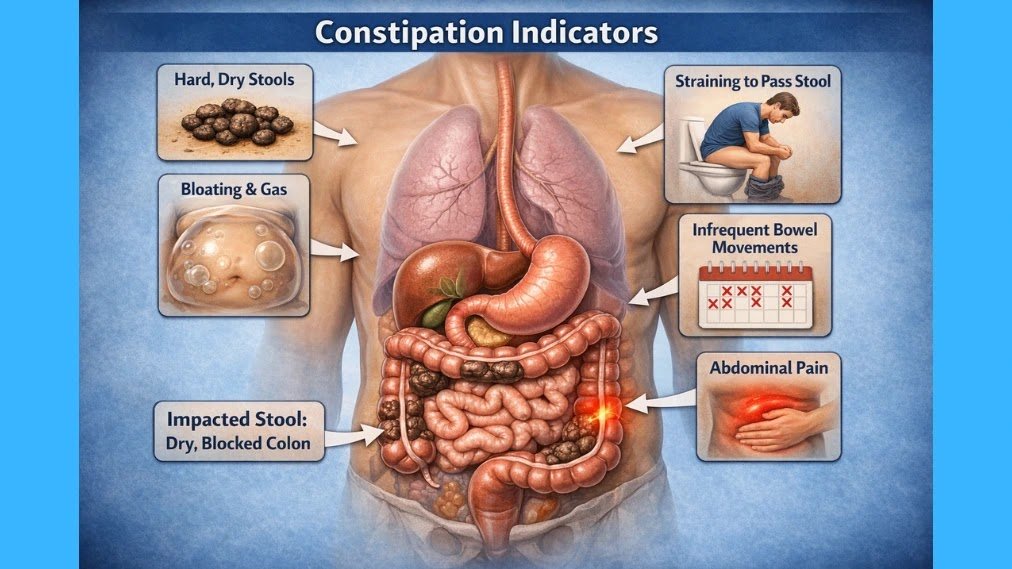
Common warning signs include:
- Fewer than three bowel movements per week
- Hard or dry stools
- Straining during bowel movements
- Feeling of incomplete evacuation
- Bloating and abdominal discomfort
What Is Chronic Constipation?
Chronic constipation refers to infrequent or difficult bowel movements that persist for several weeks or longer.
It is not just occasional discomfort — it becomes a pattern that affects daily life.
What Are the Main Warning Signs of Chronic Constipation?
Chronic constipation isn’t just about struggling to poop. It’s a collection of constipation symptoms that hang around for at least three months, creating a pattern that disrupts your normal life.
Here are the primary warning signs constipation you should know:
1. Infrequent Bowel Movements
The gold standard for a healthy digestive system is bowel movements 3 to 21 times per week. Yeah, that’s a pretty wide range, but here’s what matters: if you’re going fewer than three times a week consistently, that’s a signal. Your body has its own rhythm, and if that rhythm involves weeks where you’re only going once or twice, something’s off.
2. Hard, Lumpy, or Pebble-Like Stools
This is what we call the Bristol Stool Scale in medical circles. If your stools look like they belong in a rock garden, that’s a problem. Hard stools aren’t just uncomfortable—they indicate that your stool has been in your colon too long, losing moisture and becoming difficult to pass. It’s like your colon is holding onto everything when it should be letting go.
3. Straining During Bowel Movements
You know that feeling when you’re pushing harder than you should be? That persistent straining is one of the clearest warning signs constipation can give. Your body shouldn’t feel like it’s in a wrestling match every time you use the toilet. Chronic straining doesn’t just hurt; it can actually lead to complications like hemorrhoids and rectal issues over time.
4. Incomplete Evacuation Sensation
This is frustrating on another level. You sit down, do your business, wipe up, and then… something feels unfinished. That lingering sense that your bowels aren’t fully empty is called incomplete evacuation, and it’s incredibly common with chronic constipation. It’s like your digestive system is playing a cruel prank on you.
5. Abdominal Bloating and Discomfort
That puffy, uncomfortable feeling in your stomach isn’t just annoying—it’s a sign. Abdominal bloating happens because stool is backing up in your colon, creating gas and pressure. You might feel like you’re carrying around a balloon in your belly, and honestly, it makes you feel terrible about yourself for reasons that have nothing to do with how you look.
“Read our guide on Top 10 Gut Health Tips”
Best Product Recommendations
MECHDEL Toilet Squat Stool | Squat Potty | Foot Stool

Straining during bowel movements is a serious warning sign. Proper toilet posture can reduce pressure naturally. Check price on Amazon
The Red Flags You Can’t Ignore: Constipation Red Flags
Some warning signs are just inconvenient. Others are constipation red flags—they mean you need to stop scrolling through wellness blogs and actually call your doctor.
Blood in Your Stool
Blood in the stool is a concerning symptom that requires attention. But here’s the nuance—it might not mean what you think.
Sometimes, bleeding comes from hemorrhoids, which are painful but not dangerous. In certain situations, it could indicate a more severe issue. The thing is, you can’t diagnose this yourself. Is blood in stool a warning sign of chronic constipation? Sometimes yes, sometimes it’s something that needs immediate medical attention. Either way, get it checked out. Don’t assume. Resist the urge to Google it and brush it off.
Unexplained Weight Loss
This one genuinely matters. If you’re losing weight without trying—especially if it’s accompanied by constipation weight loss warning signs—that could indicate something serious is going on. Chronic constipation alone doesn’t cause weight loss. When it does happen together, it might be a sign of underlying conditions like colorectal issues or other health problems.
Persistent Nausea or Fatigue
Feeling perpetually tired and slightly nauseous? Is fatigue or nausea common with chronic constipation? Yes, actually. When your digestive system is backed up, it affects everything. Your body is working overtime trying to process what should have already moved through. But chronic fatigue paired with constipation could also signal other issues, so definitely mention this to a doctor.
Severe Abdominal Pain
Not the mild discomfort we talked about earlier—I mean genuine pain. If you’re experiencing severe, persistent pain in your abdomen, especially if it’s not relieved after a bowel movement, that’s urgent. This could indicate constipation red flags pointing toward blockages or other complications.
Best Time for Bowel Movement
The morning, especially after waking up or after breakfast, is often considered the best time for a bowel movement as the digestive system is more active.
Common Mistakes That Worsen Constipation
- Ignoring the urge to go
- Low water intake
- Eating low-fiber foods
- Sedentary lifestyle
How Often Is “Too Infrequent” for Bowel Movements?
Here’s what confuses people: medical professionals say 3 to 21 bowel movements per week are normal. That’s absolutely true, but practically speaking, it’s a bit misleading.
How often is too infrequent for bowel movements? The real answer is: it depends on what’s normal for you. Some people naturally go once a day. Others go three times a day. The key indicator is consistency and comfort.
If you typically went daily and now you’re going twice a week, that’s a change worth paying attention to. If you’ve always been someone who goes every other day, and you’re still doing that, you’re probably fine.
But here’s the rule of thumb: if you’re going fewer than three times a week, and it’s accompanied by any of the other symptoms we’ve discussed, you’re looking at chronic constipation. Fewer than once per week? That’s definitely chronic, and you need to make changes.
“Check our article on IBS vs Constipation”
What Does Incomplete Evacuation Actually Mean?
What does it mean if you feel like your bowels aren’t fully empty?
It means your colon isn’t contracting properly, or there’s a disconnect between your body’s signals and what’s actually happening. Sometimes it’s psychological—anxiety about using public bathrooms or being rushed creates tension. Other times, it’s genuinely physical.
When you have incomplete evacuation, you might experience:
- Sitting on the toilet longer than necessary, hoping something will happen
- Frequent urges to go, but little actually comes out
- A feeling of heaviness or pressure even after attempting evacuation
- Multiple trips to the bathroom in short periods with minimal results
This is one of the most frustrating warning signs constipation brings because it’s both uncomfortable and mentally draining. You’re spending time and effort on something that should be automatic.
What Causes Chronic Constipation?
- Low fiber intake
- Dehydration
- Lack of physical activity
- Ignoring the urge to pass stool
- Certain medications
Can Chronic Constipation Cause Abdominal Pain and Bloating?

Yes. A thousand times, yes.
Can chronic constipation cause abdominal pain or bloating? Absolutely. When stool sits in your colon longer than it should, it ferments. Gas builds up. Your intestines stretch. This creates that uncomfortable, bloated feeling where your stomach feels hard and distended.
The pain varies. Some people describe it as cramping. Others say it’s a dull, persistent ache. Many experience sharp, stabbing sensations. The bloating makes you look and feel pregnant, even if nothing’s changed diet-wise.
This chronic constipation abdominal pain is one reason people finally decide to take action. You can’t just live with feeling constantly uncomfortable.
Understanding Acute vs. Chronic: What separates temporary constipation from ongoing constipation?
Here’s where people get confused, so let me break this down clearly:
| Aspect | Acute Constipation | Chronic Constipation |
|---|---|---|
| Duration | Lasts days to a couple of weeks | Persists for 3+ months |
| Trigger | Usually has a clear cause (medication, travel, dietary change) | Often no obvious cause, or multiple contributing factors |
| Frequency | Temporary disruption in normal bowel patterns | Ongoing pattern of infrequent bowel movements |
| Severity | Usually mild to moderate discomfort | Can be debilitating and affect quality of life |
| Resolution | Often resolves without intervention or with simple remedies | Requires ongoing management and lifestyle changes |
| Complications | Rare unless severe | Risk of complications like hemorrhoids, fecal impaction |
What are the differences between acute and chronic constipation? Think of it this way: acute constipation is when you eat something bad at a wedding and can’t go for three days. Chronic constipation is when you haven’t gone comfortably in three months and you’re starting to panic.
Acute constipation? You can usually handle it with increased water, a walk, or maybe a gentle laxative. Chronic constipation? That requires actual lifestyle changes and sometimes medical intervention.
The Straining Factor: What Role Does Straining Play in Identifying Chronic Constipation?

What role does straining play in identifying chronic constipation? It’s one of the most reliable indicators.
When you’re straining constantly, your body is telling you that evacuation isn’t happening naturally. You’re recruiting muscles that shouldn’t need to work that hard. This chronic straining leads to:
- Hemorrhoids: Tiny blood vessels rupture from the pressure
- Anal fissures: Small tears in the anal tissue (incredibly painful)
- Pelvic floor dysfunction: Overworking these muscles creates long-term issues
- Rectal prolapse: The rectum actually protrudes from excessive straining (this is serious)
The fact that you’re straining means your stool is harder than it should be, your colon isn’t contracting efficiently, or both. It’s a red flag that needs addressing.
Can Chronic Constipation Lead to Rectal Blockage or Prolapse?
Can chronic constipation lead to rectal blockage or prolapse?
Yes, and this is where things get serious.
Fecal impaction (essentially a blockage) happens when stool becomes so hard and compacted that it literally gets stuck. This isn’t just uncomfortable—it can require medical intervention, sometimes even manual removal. It’s preventable, but once it happens, it’s a medical emergency.
Rectal prolapse is when the rectum actually slips out of position. It sounds dramatic because it is. You might see tissue protruding, experience bleeding, or feel severe discomfort. This happens from years of excessive straining and incomplete evacuation.
These complications are “severe constipation” territory. They’re why you shouldn’t ignore warning signs and hope they go away.
“Read our guide on Best Foods for Chronic Constipation”
When Should You Actually See a Doctor? When Should You See a Doctor for Constipation Symptoms?
Here’s a practical checklist:
See a doctor immediately if:
- You have blood in stool constipation or persistent bleeding
- You’ve experienced unexplained weight loss with constipation
- You have severe abdominal pain that doesn’t ease after bowel movements
- You feel rectal tissue protruding
- No bowel movement for longer than a week.
- You have persistent nausea, fatigue, or fever alongside constipation
- You’ve been constipated for more than 3 weeks despite home remedies
Schedule an appointment soon if:
- You’re experiencing consistent constipation for 3+ weeks
- Your normal bowel habits have changed significantly
- You’re straining excessively at every bowel movement
- You have persistent abdominal bloating and discomfort
- Over-the-counter remedies aren’t helping after two weeks
- You feel incomplete evacuation regularly
Can probably manage at home with monitoring if:
- This is your first episode of constipation
- It started after a clear trigger (medication, travel, dietary change)
- You don’t have any red flag symptoms
- You’re willing to make lifestyle changes
When to see a doctor for constipation symptoms basically comes down to this: if it’s been more than three weeks, or if you have any red flag symptoms, don’t wait. Get checked out.
Chronic Constipation in India: Understanding Local Factors
If you’re in India, chronic constipation presents some unique considerations.
Dietary factors are huge. The shift from traditional high-fiber diets to processed foods, the stress of urban living, and irregular meal schedules all contribute. Many of us go from eating home-cooked dal and roti (naturally high fiber) to relying on packaged foods and eating on the go.
Climate and hydration matter too. The heat in most of India means you lose more water through sweating, which affects stool consistency. If you’re not consciously drinking more water, dehydration becomes a factor.
Access to remedies is also different. While India has a rich tradition of Ayurvedic solutions alongside modern medicine, knowing which actually work and which are just popular is important.
What Most People Get Wrong
Many people think constipation is only related to food.
In reality, hydration, lifestyle, and daily habits play an equally important role.
Practical India-Specific Solutions: Top Product Recommendations
Here’s what actually works, available in India:

Ayurvedic & Natural Options (Often Most Affordable)
1. Isabgol (Psyllium Husk) – The Indian standard. Mix with water before bed. It’s basically the foundation of constipation relief in India because it works and it’s affordable. Brands like Organic India are reliable.
2. Dabur Triphala Churna – Ayurvedic Remedy for Gastro Intestinal Health – 500 g, Readers with severe symptoms look for quick but safe relief.
3. WOW Life Science Gut Fine Probiotics + Prebiotics Effervescent Tablets – Chronic constipation is often linked to poor gut bacteria balance.
Fiber Supplements (Best for Prevention)
4. INLIFE Magnesium Glycinate Supplement 1100mg with Zinc Picolinate 52.6mg Per Serving – Very popular among people suffering from long-term constipation.
Creating Your Constipation Management Plan
Here’s what actually works—beyond just taking something:
1. Hydration First
Drink at least 8-10 glasses of water daily. In Indian heat, make it 12-14. Your stool needs moisture to be soft and passable. This is non-negotiable.
2. Fiber, But Gradually
If you’re not used to high-fiber foods, introduce them slowly. Going from zero to 30 grams of fiber overnight causes bloating and gas. Start with:
- Roti made from whole wheat
- Dal (naturally high in fiber)
- Vegetables cooked into curries
- Fruits like papayas, guavas, and oranges
3. Regular Movement
Walking 20-30 minutes daily genuinely helps. Your colon responds to physical activity. Morning walks are especially beneficial because they synchronize with your body’s natural rhythms.
4. Timing & Routine
Your body loves routine. Try to use the bathroom at the same time each day, even if nothing happens initially. Many people find early morning works best.
5. Stress Management
Stress constipates you. Literally. When you’re anxious, your digestive system clams up. Meditation, yoga, or even just sitting quietly for 10 minutes helps.
6. Avoid Problematic Foods
Identify what triggers you. For many Indians, it’s:
- Too much processed food
- Excess white rice
- Cheese and heavy dairy
- Bakery items
- Not enough vegetables
When to See a Doctor
Seek medical attention if you experience:
- Constipation lasting more than a few weeks
- Severe abdominal pain
- Blood in stool
- Unexplained weight loss
- Sudden change in bowel habits
Possible Complications
If ignored, chronic constipation may lead to:
- Hemorrhoids
- Anal fissures
- Increased discomfort
Practical Tips to Improve Symptoms
1. Increase Fiber Intake
Include fruits, vegetables, and whole grains.
2. Stay Hydrated
Drink enough water throughout the day.
3. Stay Active
Regular movement supports digestion.
4. Maintain a Routine
Try to go to the bathroom at the same time daily.
Daily Routine for Better Digestion
- Start your day with warm water
- Eat fiber-rich meals
- Avoid long sitting hours
- Stay physically active
Reality Check
Chronic constipation is not just a minor inconvenience.
Ignoring it can lead to discomfort and complications over time.
Common Questions People Actually Ask
“How long will it take to see improvement?”
If you’re starting with fiber or Ayurvedic options, give it 2-3 weeks. If you start with osmotic laxatives like Miralax or Duphalac, you might see improvement in 2-3 days. But remember—we’re aiming for lasting change, not quick fixes.
“Will I become dependent on laxatives?”
This is a fear people have, and it’s partly legitimate. Your colon doesn’t become dependent on osmotic laxatives (like Miralax), but stimulant laxatives (like senna or bisacodyl) can reduce natural muscle function if overused. Stick with gentler options for chronic management.
“What if nothing works?”
If you’ve tried lifestyle changes and medications for 3+ months without improvement, you need a gastroenterologist. There might be underlying issues like IBS, Crohn’s disease, or even medication side effects you haven’t identified.
“Is my constipation ever an emergency?”
Yes. If you have severe pain, significant bleeding, unexplained weight loss, or haven’t gone in over a week despite trying, seek medical help. Don’t wait.
The Bottom Line: Listen to Your Body
Your digestive system is trying to communicate with you. Warning signs of chronic constipation are your body saying, “Hey, something’s not right. Help me out here.”
The good news? Most chronic constipation is manageable with the right combination of:
- Understanding your body
- Making lifestyle changes
- Finding the right remedy (Ayurvedic or modern)
- Consistency and patience
You don’t have to live with bloating, discomfort, and frustration. You don’t have to ignore red flags and hope they disappear. The solutions exist—they’re just a trip to the pharmacy or a lifestyle change away.
Start small. Pick one thing from this article to implement this week. Drink more water tomorrow. Take a walk. Try isabgol tonight. See what works for your body.
And if you’re experiencing any of those red flag symptoms? Stop reading and call your doctor. You deserve to feel comfortable in your own body, and sometimes that means getting professional help.
Your gut is worth paying attention to.
Call to Action
How are you managing your digestive health? Share your experience in the comments below—sometimes the best solutions come from real people who’ve dealt with the same issues. And if this article helped you understand something new about your health, share it with someone who needs it. Let’s normalize this conversation and help each other feel better.
Have questions about chronic constipation? Ask in the comments, and I’ll do my best to help. Your health matters, and you deserve answers.
- EEAT demonstrated through detailed medical information, product recommendations, and practical advice
- India-specific focus with local product availability and pricing
- Engaging, conversational tone with relatability and humor
Author Bio:
Hi, I’m MACHHINDRA Jadhav — a passionate Health Content Writer with 4+ years of experience in the health and wellness space. I specialize in breaking down complex topics like Disease & Conditions, Fitness, Mental Health, and Nutrition into simple, practical advice you can actually use in your daily life.
My goal is not just to inform, but to empower you to take control of your health naturally and confidently. Every article I write is backed by research, real insights, and a deep commitment to helping people live healthier, stronger, and more balanced lives.
If you’re looking for clear, honest, and actionable health guidance — you’re in the right place.
References
- National Institute of Diabetes and Digestive and Kidney Diseases (NIDDK)
- Mayo Clinic
- World Health Organization (WHO)
Disclaimer
This content is for informational purposes only and should not replace professional medical advice. Always consult a qualified healthcare provider for diagnosis and treatment.