Discover the hidden side effects of chia seeds, safe daily dosage, health risks, and who should avoid them. This complete guide explains how to consume chia seeds safely without digestive issues, medication interactions, or health complications.

Introduction: The Chia Seed Hype vs. Reality
Chia seeds are often praised as a powerful superfood—but are they completely safe for everyone? While these tiny seeds are packed with fiber, omega-3 fatty acids, and essential nutrients, many people experience unexpected side effects like bloating, digestive discomfort, low blood pressure, and even choking risks when they consume chia seeds incorrectly. Unfortunately, most articles only talk about the benefits and ignore the potential risks.
I’m Machhindra Jadhav, a health and wellness blogger passionate about sharing honest, practical, and experience-based nutrition information. Through my health blog, I focus on not just what foods are good for you—but how to consume them safely, especially when it comes to trending health foods like chia seeds.
In this complete guide, you’ll discover the hidden side effects of chia seeds, the safe daily dosage, who should avoid them, and the right way to include chia seeds in your diet without harming your digestion or health. Whether you’re planning to start eating chia seeds or you’re already facing issues after consuming them, this article will help you make informed, confident, and healthier choices.
Understanding Chia Seeds: Why Are They Different?
Before we dive into the side effects, let’s talk about what makes chia seeds unique—and why that matters for your body.
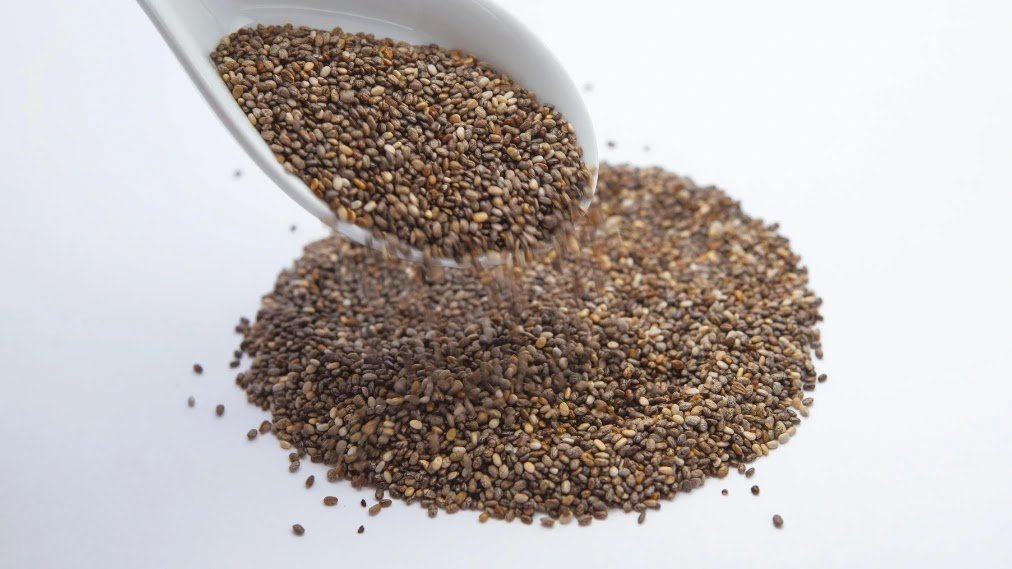
Chia seeds are these tiny black or white seeds packed with omega-3 fatty acids, fiber, protein, and various micronutrients. Sounds perfect, right? Here’s the catch: they’re extremely high in fiber. A single ounce of chia seeds contains about 10 grams of dietary fiber—that’s roughly 40% of your daily recommended intake in just a handful of seeds.
When chia seeds absorb liquid (whether that’s in your stomach or a glass of water), they expand and form a gel-like substance. This is actually great for your digestive system if you do it right, but if you consume them dry or don’t drink enough water? Well, let’s just say your digestive system might stage a rebellion.
The Most Common Chia Seeds Side Effects You Should Know About

Can Chia Seeds Cause Bloating or Gas?
First of all, whenever we consume anything in excess, it tends to cause more harm than benefit. Doing or eating anything in moderation is always the right and healthy choice for our body.
This is probably the most common complaint I hear, and honestly, it’s legitimate. If you’re experiencing bloating after eating chia seeds, you’re not alone—and you’re not being dramatic.
When you suddenly introduce a massive amount of fiber into your system, your gut bacteria have to work overtime to break it down. This fermentation process produces gas, which leads to that uncomfortable bloated feeling. It’s like your digestive system is having a party that nobody invited you to.
How to avoid it: Start small. I’m talking one teaspoon of chia seeds, not the full recommended serving. Gradually increase your intake over two to three weeks, giving your digestive system time to adapt. Always soak your chia seeds in water for at least 30 minutes before eating them—this pre-absorbs the liquid and makes digestion easier. Think of this as an initial phase leading up to the main event.
Pairing chia seeds with easily digestible foods also helps. A chia seed pudding made with yogurt? Perfect. Dumping dry chia seeds into your salad? That’s a recipe for discomfort.
Side Effects of Eating Too Many Chia Seeds: The Overconsumption Problem
As I mentioned above, consuming anything in excess leads to more harm than benefit.
There’s a sweet spot with chia seeds, and that spot is usually around 1 to 2 ounces (roughly 28-56 grams) per day. If you go past that, you’re likely to run into trouble.
Overconsumption of chia seeds can lead to:
- Digestive blockage: In extreme cases, unsoaked chia seeds can actually block your digestive tract
- Severe constipation: The irony is real—something marketed for digestive health can actually slow things down
- Stomach cramps: That fiber doing its job can feel like a tiny fist-fight happening in your abdomen
- Excessive fullness: Chia seeds expand in your stomach, so you might feel uncomfortably full for hours
I once knew someone who decided that if 1 ounce of chia seeds was good, 4 ounces must be amazing. Spoiler alert: it wasn’t. They spent the next three days regretting their enthusiasm.
Chia Seeds Choking Hazard: Why Your Grandmother Might Be Right
This one sounds dramatic, but it deserves serious attention. Dry chia seeds—especially if you have trouble swallowing or are giving them to young children—can pose a choking hazard. They’re small, they don’t have a smooth surface, and in your mouth, they don’t immediately absorb liquid the way they would in a glass of water.
The safety rule: Always soak your chia seeds in liquid for at least 15-30 minutes before consuming them. If you’re older or have any swallowing difficulties, this step isn’t optional—it’s essential. A Chia Seed Soaking Jar with Glass Lid makes this process foolproof and keeps your seeds fresh.
The Blood Pressure and Medication Concerns

Can Chia Seeds Lower Blood Pressure Too Much?
This line is very important for blood pressure patients. This is the point where the matter takes a more serious turn. Chia seeds are rich in omega-3 fatty acids and other compounds that have natural blood-pressure-lowering properties. For most healthy people, this is fantastic. For someone already on blood pressure medication? It could be a problem.
If you combine chia seeds with blood pressure medications, you might experience hypotension—meaning your blood pressure drops too low. Symptoms include dizziness, fatigue, difficulty concentrating, and in severe cases, fainting.
The real talk: If you’re on any blood pressure medication, talk to your doctor before significantly increasing your chia seed intake. They might need to monitor you or adjust your medication. This isn’t a reason to avoid chia seeds entirely; it’s just a reason to be smart about it.
Do Chia Seeds Interact with Medications?
Chia seeds medication interactions are a real concern, particularly with:
- Blood thinners (like warfarin or aspirin): Chia seeds contain compounds that may have mild blood-thinning properties, and combining them with prescribed blood thinners could increase bleeding risk
- Diabetes medications: Chia seeds can affect blood sugar levels, potentially making diabetes medications more potent than intended
- Blood pressure medications: As we just discussed
The takeaway: If you have any of these problems, you should either avoid consuming chia seeds or consult a doctor before eating them to ensure whether they are safe for you or not.
Suggested: What Causes Type 1 Diabetes
Who Should Actually Avoid Chia Seeds?
Are Chia Seeds Safe for Diabetics?
Yes, but with caveats. Chia seeds are actually beneficial for blood sugar management because they’re low in glycemic index and high in fiber, which slows sugar absorption. However, if you’re on diabetes medication, chia seeds blood sugar drop could become problematic.
Some diabetics report that chia seeds help stabilize their blood sugar better than any medication. Others find that combining chia seeds with their existing medication causes dangerous sugar dips. The difference? Individual metabolism and medication type.
Bottom line: Diabetics can eat chia seeds, but monitor your blood sugar closely with a glucose monitor like the Accu-Chek Active Glucometer. Observe your body’s response and modify your approach as necessary.
Can Chia Seeds Cause Allergic Reactions?
Allergies to chia seeds aren’t common, but they do happen. Symptoms of allergic reaction to chia seeds include:
- Itching or tingling in the mouth or throat
- Swelling of lips, mouth, tongue, or throat
- Difficulty swallowing
- Shortness of breath
- Skin reactions (hives, rash)
- Gastrointestinal distress
If you have a history of allergies to sesame seeds or other seeds, proceed cautiously. Your immune system might recognize chia seeds as a threat even if they’re generally safe.
What to do: Try a small amount first and wait a few hours to observe your reaction. If you do experience chia allergy symptoms, seek medical attention and consider a Hypoallergenic Protein Powder as an alternative.
Who Should Avoid Chia Seeds?
Beyond specific allergies and medication interactions, certain groups should be extra cautious:
- Pregnant women: Generally considered safe, but pregnant women should consult their healthcare provider. Some studies suggest omega-3s are beneficial, but individual circumstances vary
- People with a history of esophageal blockage: The expansion property of chia seeds makes them risky
- Those with severe IBS or inflammatory bowel conditions: The high fiber content can exacerbate symptoms
- Anyone with swallowing difficulties: The choking hazard is too real
- Post-surgery patients: Until your digestive system has fully recovered, hold off
Chia Seeds Side Effects on Specific Body Systems
Chia Digestive Issues: More Than Just Bloating
We’ve covered bloating, but digestive issues from chia seeds extend beyond that. You might experience:
Constipation: This sounds counterintuitive for a fiber-rich food, but it happens. Fiber needs water to work properly. Without adequate hydration, chia seeds draw water from your colon, leading to constipation. The solution? Drink plenty of water—at least 3-4 liters daily if you’re consuming chia seeds regularly.
Diarrhea: Conversely, some people experience the opposite effect, especially when first introducing chia seeds. This usually resolves within a few days as your gut adjusts.
Digestive Blockage from Chia Seeds: In rare cases, particularly with overconsumption of dry chia seeds, a blockage can form. Signs include severe abdominal pain, constipation lasting more than a week, and vomiting. This is a medical emergency.
Chia Seeds Side Effects on Skin and Stomach
Some people report skin-related side effects, though these are less common. Chia seeds’ omega-3 content is generally beneficial for skin health, but if you’re sensitive, you might experience:
- Acne flare-ups (from omega-3 overload)
- Skin itching or hives (allergic reaction)
- Digestive issues leading to skin breakouts (that gut-skin axis is real)
For stomach issues specifically, nausea from chia overconsumption can be managed with Ginger Capsules from Himalaya, which naturally soothe nausea and support digestion.
Chia Water Side Effects: The Hydration Misunderstanding
Chia water—water infused with chia seeds—has become trendy, and rightfully so. But there’s a misconception that more chia water equals better hydration. Actually, the opposite can happen.
Chia seeds absorb so much water that if you’re drinking chia water without enough additional hydration, you might end up dehydrated. The seeds pull water from your system, and if you’re not drinking extra water throughout the day, you’ll feel the effects.
The rule: For every serving of chia seeds, drink at least 8-10 ounces of extra water beyond your normal intake.
How to Avoid Chia Seeds Side Effects: Your Safety Protocol
Let me give you the practical roadmap for avoiding chia seeds side effects entirely:
Step 1: Start Small and Build Gradually
Begin with just one teaspoon of chia seeds per day. After one week, increase to one tablespoon. After another week, you can move to the standard 1-2 ounce serving. This gradual approach gives your digestive system time to produce the necessary enzymes and bacteria adjustments.
Step 2: Always Soak Your Seeds
Soaking is non-negotiable. Mix chia seeds with water (or milk, juice, whatever) at a ratio of 1 part chia to 5-10 parts liquid. Allow a resting time of no less than 30 minutes. This pre-digestion process makes them gentler on your system and reduces choking risk.
Step 3: Hydrate Like Your Life Depends On It
Seriously. Drink water. Lots of it. If you’re consuming chia seeds, your water intake should be at least 3-4 liters daily, depending on your activity level and climate.
Step 4: Know Your Daily Limit
The safe daily amount of chia seeds is 1-2 ounces (roughly 28-56 grams). Don’t exceed this. More isn’t better; it’s just more side effects.
Step 5: Pair Them Intelligently
Consume chia seeds with other foods, not alone. A chia seed pudding made with yogurt? Great. Chia seeds sprinkled on your salad? Good. An entire smoothie that’s basically just chia seeds? That’s asking for trouble.
Step 6: Monitor Your Body
Everyone’s body is different. What causes bloating in your friend might not affect you at all. Be aware of how your body feels and make changes accordingly. Keep a simple food journal if side effects occur.
The Chia Seeds Safe Daily Amount: Finding Your Sweet Spot
Here’s the thing about recommended dosages—they’re guidelines, not gospel. Your sweet spot depends on your individual factors:
For most healthy adults: 1-2 ounces (28-56 grams) per day is safe and provides optimal benefits without overdoing it.
For beginners: Start at 1 teaspoon daily and work your way up over 2-3 weeks.
For those with digestive sensitivities: Cap it at 0.5-1 ounce and always soak thoroughly.
For pregnant women: Generally 1 ounce daily is considered safe, but discuss with your healthcare provider.
Success depends on consistency and awareness of your body’s responses. If you feel great at 1 ounce and terrible at 1.5 ounces, then 1 ounce is your sweet spot.
Are Chia Seeds Safe to Eat Daily?
Short answer: Yes, for most people. Long answer: It depends.
Eating chia seeds daily is absolutely fine if you’re:
- Not on medications that interact with them
- Drinking plenty of water
- Starting with small amounts and building up gradually
- Soaking them properly
- Listening to your body’s signals
The risks come from overconsumption, dehydration, pre-existing medical conditions, or medication interactions—not from eating them daily in appropriate amounts.
FAQs: Your Burning Chia Seed Questions Answered
Q: How much chia seeds is too much?
A: More than 2 ounces (56 grams) daily for an extended period is considered excessive and increases side effect risk. Stick to 1-2 ounces as your daily maximum.
Q: Can chia seeds cause weight gain?
A: Ironically, yes—if you overconsume. While chia seeds are nutrient-dense, they’re also calorie-dense (about 138 calories per ounce). If you’re adding them on top of your regular diet without reducing other calories, you might gain weight. Use them as a supplement to a balanced diet, not in addition to it.
Q: Are chia seeds safe for diabetics?
A: Yes, generally. They’re low-glycemic and high in fiber, which helps stabilize blood sugar. However, if you’re on diabetes medication, monitor your blood sugar closely as chia seeds might enhance the medication’s effects.
Q: Do chia seeds interact with medications?
A: Potentially, yes—especially with blood thinners, blood pressure medications, and diabetes medications. Always inform your doctor if you’re significantly increasing chia seed intake.
Q: Can chia seeds cause allergic reactions?
A: Rare but possible, especially if you have a seed allergy. Start with a small amount and monitor for itching, swelling, or difficulty swallowing.
Q: Is chia water safe?
A: Yes, if you drink it with extra water throughout the day. Chia water shouldn’t be your only fluid intake, as the seeds absorb water and can lead to dehydration if you’re not careful.
Q: Can chia seeds cause nausea?
A: Overconsumption can lead to nausea. Manage it with ginger supplements and ensure you’re not exceeding 2 ounces daily.
Q: Are chia seeds safe for pregnant women?
A: Generally considered safe, but pregnant women should consult their healthcare provider before significantly increasing intake, especially if on any medications.
The Bottom Line: Chia Seeds Are Great—If You’re Smart About Them
Chia seeds are genuinely beneficial. They’re packed with omega-3s, fiber, protein, and micronutrients. The wellness hype isn’t entirely unwarranted. But like anything powerful, they demand respect.
The side effects I’ve outlined aren’t reasons to avoid chia seeds entirely—they’re reasons to approach them with intention and awareness. Start small, hydrate generously, soak properly, and listen to your body. Most people do remarkably well with chia seeds once they understand how to use them correctly.
Your action plan starting today:
- Get quality chia seeds from a trusted source
- Invest in a soaking jar for convenience
- Begin with just one teaspoon daily
- Increase your water intake now
- Gradually build up your serving size over 2-3 weeks
- Monitor how you feel and adjust accordingly
- Consult your doctor if you’re on any medications
Chia seeds aren’t magic, and they’re not dangerous—they’re just seeds that require a bit of dietary intelligence to use well. Do that, and you’ll unlock their genuine benefits without the uncomfortable side effects.
Have you experienced chia seeds side effects before? Or are you considering trying them for the first time? Drop your questions in the comments below, and let’s build a community of chia-seed-smart eaters who actually enjoy the experience.
Authority Bio:
Hi, I’m MACHHINDRA Jadhav — a passionate Health Content Writer with 4+ years of experience in the health and wellness space. I specialize in breaking down complex topics like Disease & Conditions, Fitness, Mental Health, and Nutrition into simple, practical advice you can actually use in your daily life.
My goal is not just to inform, but to empower you to take control of your health naturally and confidently. Every article I write is backed by research, real insights, and a deep commitment to helping people live healthier, stronger, and more balanced lives.
If you’re looking for clear, honest, and actionable health guidance — you’re in the right place.
References
- National Institute of Diabetes and Digestive and Kidney Diseases (NIDDK)
- Mayo Clinic
- World Health Organization (WHO)
“This article is for educational purpose. Always consult your doctor.”