Discover why anxiety keeps you awake despite tiredness, and explore proven natural remedies, breathing techniques, and strategies to overcome sleep anxiety and insomnia for better rest.
The Exhausting Paradox: Tired But Wired

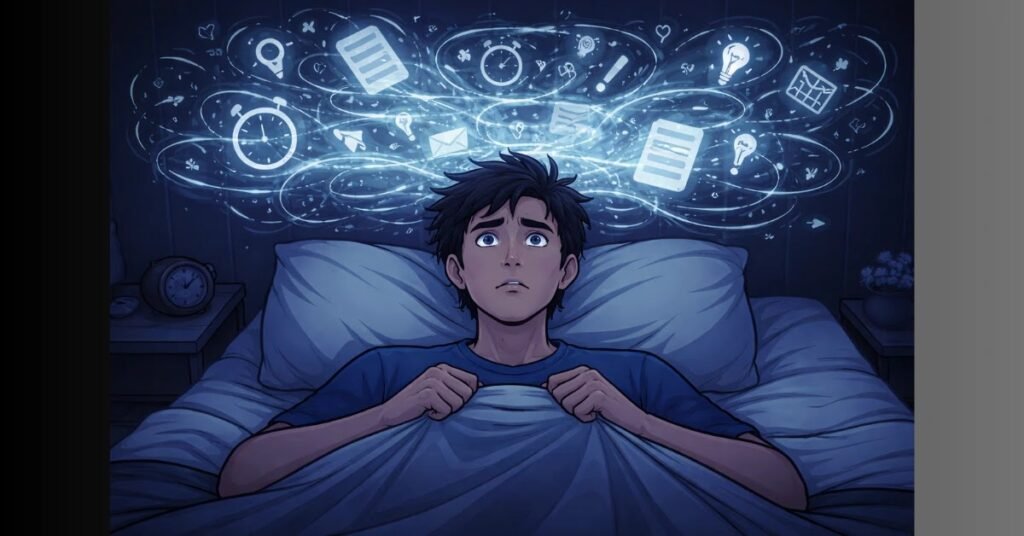
You’re lying there at 11 PM, your eyes heavy, your body screaming for rest. You’ve had a long day. You’re genuinely tired. And yet? Your mind won’t shut up. Racing thoughts. That embarrassing email you sent three years ago. Your pending presentation. Your mother’s comment about your career choices. The heating bill. That one thing you said in a meeting that probably sounded weird to everyone.
Welcome to the infuriating world of cannot fall asleep anxiety—where your exhausted body betrays you by staying wide awake while your anxious mind plays DJ on an endless loop of worries.
This isn’t just tossing and turning. This is something millions of people face, and if you’re reading this, you’ve probably lived it too. That feeling of being utterly exhausted yet completely unable to cross the bridge into sleep is one of the most frustrating experiences known to humankind. It’s like your brain is stuck between two worlds—too tired to function, too anxious to rest.
Here’s the thing nobody tells you: why can’t I fall asleep even when tired due to anxiety? It’s not something you should see as a failure. It’s your nervous system working exactly as it’s been programmed—just at entirely the wrong time.
Understanding Sleep Anxiety: More Than Just Insomnia

Let’s get specific here. Sleep anxiety isn’t the garden-variety insomnia where you’re just having a bad night. Insomnia anxiety is different. It’s anxiety that specifically shows up when you’re trying to sleep—when your defenses are down and your body’s trying to transition into rest.
Think of your nervous system as a security guard at a high-end club. Normally, the guard’s doing his job: checking for threats, keeping things safe. But when you’re supposed to be sleeping, this guard is absolutely paranoid. He’s convinced someone’s sneaking in. He’s pacing. He’s checking the doors. Repeatedly. And now you’re awake watching him do his rounds.
The science here is actually pretty straightforward. When you’re anxious, your body releases cortisol and adrenaline—stress hormones that literally prepare your body for fight or flight. Your heart rate increases. Your muscles tense. Your senses heighten. It’s fantastic if you’re facing a bear. It’s absolutely terrible if you’re facing a pillow and hoping to sleep.
This is what I call racing thoughts sleep—that specific phenomenon where your mind literally won’t stop generating scenarios, worries, and spiraling narratives. And the worst part? The harder you try to force yourself to sleep, the more anxious you become about not sleeping. It turns into a cycle that continues on its own.
If anxiety is keeping your mind active at night, practicing mindfulness during the day can make a big difference. You can follow a simple 15-minute mindfulness routine to calm your thoughts and prepare your mind for better sleep.
Why This Happens to You Specifically
Anxiety keeping me awake isn’t random. Several underlying reasons may explain this experience.
- Hyperarousal: Your nervous system is stuck in high alert mode, even when there’s no real threat
- Racing mind patterns: Your brain’s default mode network (the part responsible for self-referential thinking) gets overactive at night
- Sleep anticipatory anxiety: You start worrying about sleep hours before bedtime, which actually guarantees you won’t sleep
- Caffeine sensitivity: Even a latte at 3 PM can trigger anxiety hours later
- Stress accumulation: Unresolved worries from the day bubble up when you lie down
- Environmental triggers: Your bedroom becomes associated with stress rather than rest
How Long Can Anxiety Keep You From Falling Asleep?
Okay, real talk. How long can anxiety keep you from falling asleep? This varies wildly from person to person, but here’s what we know:
For some people, it’s 30 minutes of tossing and turning. For others? It’s a full two-hour ordeal where sleep feels impossible. I’ve worked with people who’ve described lying awake for hours, feeling more frustrated with each passing minute.
The challenging part isn’t just the lost sleep—it’s the compounding effect. One bad night leads to anxiety about having another bad night, which creates tension, which makes the next night worse. Before you know it, you’re caught in a cycle where bedtime anxiety is triggering a full physiological response.
The good news? This pattern can be broken. You’re not bound to suffer from sleepless nights forever.
| Anxiety Sleep Duration | Frequency | Recovery Time | Impact Level |
|---|---|---|---|
| 30-45 minutes | Occasional (1-2x/week) | 1-2 nights | Mild |
| 45 mins – 2 hours | Regular (3-4x/week) | 3-5 nights | Moderate |
| 2+ hours | Frequent (5+ nights/week) | 1-2 weeks | Significant |
Practical Techniques to Try Tonight
1. Breathing Exercises for Immediate Anxiety Relief
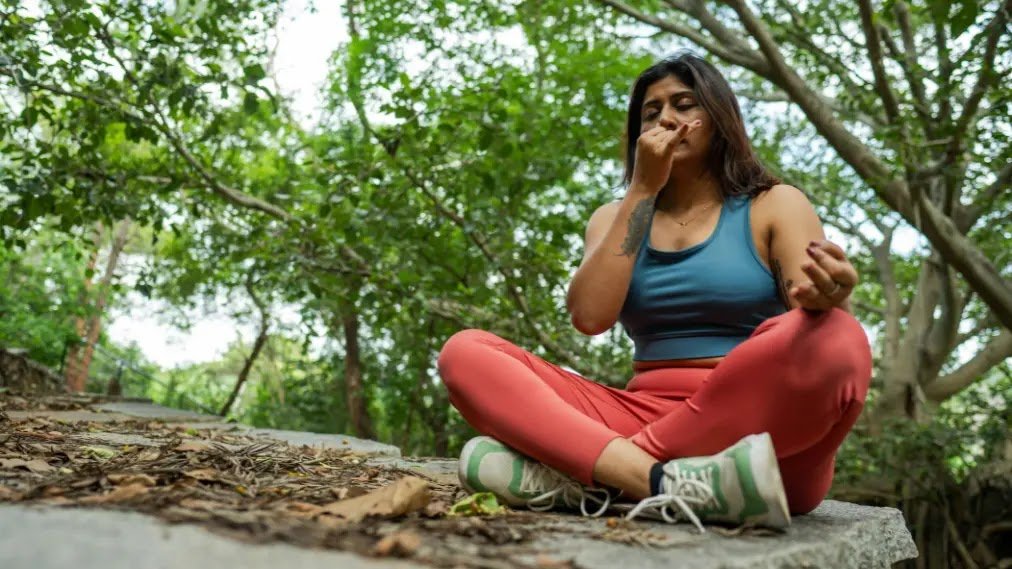
What breathing techniques help when anxiety prevents sleep?
The answer might surprise you: they work ridiculously well. Your breath is literally a dial you can turn to calm your nervous system. Here are the most effective ones:
The 4-7-8 Breathing Method
This technique is absolute gold for 4-7-8 breathing sleep anxiety. Here’s how:
- Exhale completely through your mouth
- Slowly breathe in through your nose for a 4-count, keeping your lips sealed.
- Hold your breath for 7 counts
- Gently breathe out through your mouth for a full 8-count.
- Repeat this cycle 4 times
The physiological reason this works is that longer exhales activate your parasympathetic nervous system—literally telling your body it’s safe to rest.
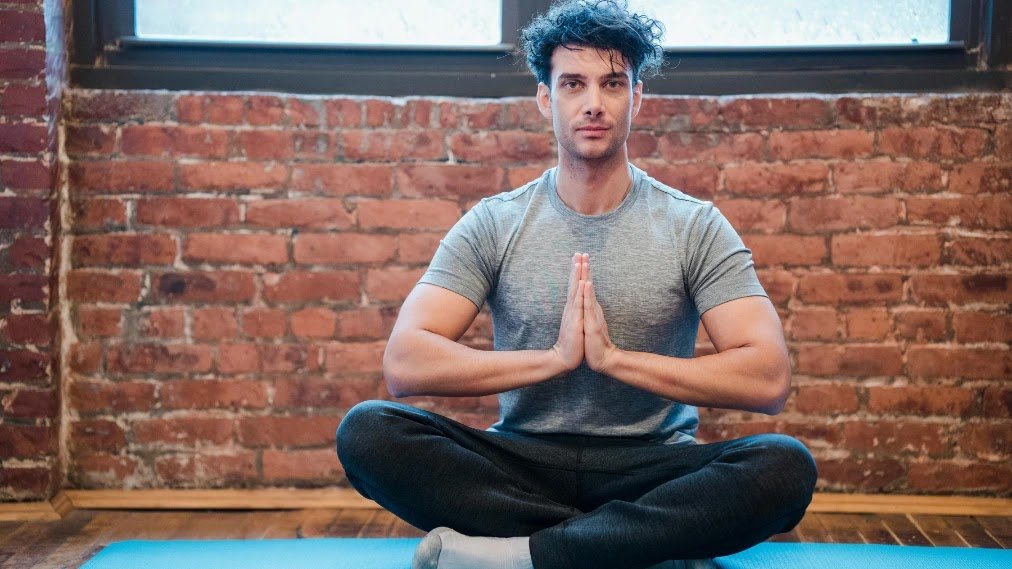
Box Breathing (4-4-4-4)
Simpler alternative if 4-7-8 feels too complicated:
- Inhale for 4 counts
- Hold for 4 counts
- Exhale for 4 counts
- Hold for 4 counts
- Repeat 5-10 times
I personally prefer box breathing for anxiety because it’s easier to remember when your brain is already anxious (ironic, I know).
2. Progressive Muscle Relaxation
What progressive muscle relaxation steps work best?
This technique literally trains your body to recognize the difference between tension and relaxation. It sounds simple, but it’s profound.
This is a simple step-by-step method for progressive relaxation to reduce sleep anxiety:
- Toes: Tense for 5 seconds, release for 5 seconds. Notice the difference.
- Calves: Same pattern
- Thighs: Tense, hold, release
- Glutes: Clench, hold, release
- Abdomen: Tighten core, release
- Chest: Take a deep breath to create tension, then release
- Hands: Make fists, release
- Shoulders: Shrug to ears, release
- Jaw: Clench teeth, release
- Eyes: Squeeze tight, release
The magic here is that you’re literally showing your body it’s safe to relax. You’re teaching it that looseness is possible.
3. Journaling: Getting the Thoughts Out

Does journaling before bed reduce anxiety-related insomnia?
Racing thoughts can happen when you keep everything inside instead of putting it out into the world. They’re just circling in your head like vultures. Journaling is like giving them a place to land.
Here’s what journaling for bedtime anxiety relief actually looks like:
- Brain dump: Spend 5 minutes writing everything in your head. No structure needed. Just get it out.
- Tomorrow’s plan: Write down the three things you need to handle tomorrow. This tells your anxious brain: “Hey, we have a plan. You can relax.”
- Gratitude shift: Write down three things that went well today. This retrains your brain’s default pattern toward positivity rather than worry.
The reason this works is neuroscience-based: your brain processes things differently when you write them down. They’re no longer just abstract worries—they’re concrete, manageable items you can handle tomorrow.
If you’re struggling to fall asleep despite feeling tired, improving your overall sleep habits can make a big difference. Learning how to improve sleep quality naturally can help your body and mind relax more effectively at night.
Natural Solutions: What Actually Works
Supplements Worth Considering
Are there natural supplements safe for sleep anxiety?
Here are the heavy hitters backed by actual research:
Magnesium for Sleep
This mineral is like nature’s chill pill. I personally recommend magnesium for anxiety insomnia because it works on multiple levels:
- Activates GABA receptors (the brain’s calming neurotransmitter)
- Reduces muscle tension
- Lowers cortisol (the stress hormone)
The best forms for sleep are glycinate and l-threonate (the latter crosses the blood-brain barrier specifically for anxiety). Something like Nature Made Magnesium Glycinate (~$12) is genuinely affordable and effective.
A more luxe option if you want something with added herbs: Natural Vitality Calm Magnesium Powder (~$20) tastes decent and works fast.
Ashwagandha: The Stress Adapter
This Ayurvedic herb has become trendy for a reason—it genuinely works. Himalaya Organic Ashwagandha (~$20 for 60 capsules) actively lowers cortisol, meaning your body gets the literal signal that stress is decreasing.
Herbal Teas for Evening Wind-Down
Herbal tea anxiety before sleep isn’t just soothing ritual—it’s active medicine:
- Valerian: Strong sedative effect, best for serious insomnia
- Passionflower: Gentler, better for racing thoughts
- Chamomile: Classic calming effect, improves sleep quality
- Lemon balm: Subtle calming without drowsiness
Try Traditional Medicinals Nighty Night Tea (valerian-chamomile blend, ~$5) or Yogi Tea Soothing Caramel Bedtime (~$5) for something tasty.
Environmental Optimization
How does screen time worsen inability to fall asleep from anxiety?
Screens emit blue light that literally suppresses melatonin production. More importantly, they stimulate your brain right when you need it winding down. Your phone’s content is designed to be engaging—which means stressful for an already-anxious person.
Stop screens 60 minutes before bed. Seriously. I know this is probably the advice you least want to hear, but it’s also the most effective.
For your sleep space, consider:
- White noise: A simple machine or app genuinely helps with white noise anxiety sleep by providing auditory consistency that doesn’t trigger your alert system
- Essential oils: Lavender for can’t fall asleep works through scent triggering relaxation responses. Use a Vitruvi Stone Essential Oil Diffuser (~$120) or simpler options like Now Foods Lavender Essential Oil (~$10) on your pillow
- Room temperature: Cooler is better—around 65-68°F is ideal
Grounding Techniques for Racing Thoughts
Grounding techniques bedtime—these are immediate interventions:
The 5-4-3-2-1 Method:
- 5 things you see
- 4 things you can touch
- 3 things you hear
- 2 things you smell
- 1 thing you taste
This forces your brain to focus on present sensory input rather than future worries. It’s surprisingly effective.
When Sleep Anxiety Becomes Chronic: Professional Help
When does sleep anxiety require professional therapy?
If you’ve been dealing with this for more than a month, or if it’s significantly impacting your daytime functioning, it’s time to explore professional support.
CBT for Insomnia Anxiety
Can CBT-I cure chronic “cannot fall asleep anxiety”?
Cognitive Behavioral Therapy for Insomnia is literally the gold standard. Studies show it’s more effective than medication for long-term results. It works by:
- Identifying anxiety patterns and thought spirals
- Replacing them with realistic, calming thoughts
- Rebuilding your association with your bed as a place of rest
- Establishing strict sleep schedules
A therapist specializing in sleep anxiety can create a personalized treatment plan. The investment is worth it if natural methods aren’t cutting it.
The Caffeine Question
Is caffeine the main culprit behind nighttime anxiety insomnia?
Not always the main culprit, but definitely a significant one. The fact is, it takes about 5–6 hours for half the caffeine you consume to leave your system. That espresso at 3 PM? At 9 PM, a significant portion—about half—of the caffeine may still be in your body.
If you’re sensitive to anxiety, cut caffeine after 2 PM. Seriously. I know your 4 PM coffee ritual feels necessary, but it’s literally fueling your nighttime anxiety.
Building Your Personal Sleep Anxiety Protocol
Here’s what actually works (beyond just individual techniques):
Week 1-2: Foundation
- Establish consistent bedtime (even weekends)
- Cut screen time 60 minutes before bed
- Start magnesium supplementation
- Practice box breathing every night
Week 3-4: Deepen
- Add progressive muscle relaxation
- Try herbal tea ritual
- Begin journaling
- Evaluate what’s working
Month 2+: Optimize
- Stick with what’s working
- Add new techniques only as needed
- Consider professional support if necessary
- Reassess caffeine and lifestyle factors
The Bottom Line: You’re Not Broken

If you’re experiencing sleep anxiety, here’s what I need you to know: you’re not fundamentally broken. Your nervous system isn’t defective. You haven’t failed at sleep.
You’re experiencing a very real, very common phenomenon where your brain’s threat-detection system is a bit overzealous. And the beautiful part? This is fixable. The techniques in this article work. The supplements work. The behavioral changes work.
Why can’t I fall asleep even when tired due to anxiety? isn’t a life sentence. It’s a signal that something in your system needs attention and adjustment. And lucky for you, there are about a hundred different ways to provide that attention.
Start with one thing this week. Tomorrow night, try the 4-7-8 breathing. Or the journaling. Or just putting your phone away earlier. Pick something small and manageable.
The fact that you’re reading this means you’re already halfway there—you’re willing to change, willing to try, willing to invest in your sleep. That simple intention can make a bigger difference than you imagine.
Your future self—the one sleeping deeply and waking refreshed—is going to thank you for starting today.
Frequently Asked Questions: Your Specific Concerns Answered
Q: How long can anxiety keep you from falling asleep?
For most people, occasional anxiety might cause 30-45 minutes of difficulty. Chronic sleep anxiety can persist for 2+ hours nightly. The key is not fighting it but working with your nervous system.
Q: Is anxiety always the problem, or could it be something else?
While anxiety is the primary driver of cannot fall asleep anxiety, other factors like caffeine sensitivity, screen time, irregular schedules, and underlying health conditions play roles. If natural methods don’t work within 3-4 weeks, consult a sleep specialist.
Q: Can I ever take medication for this?
Possibly, but it should be a last resort after behavioral and natural interventions. Talk to a doctor about prescription options if lifestyle changes and therapeutic approaches haven’t helped.
Q: Will this get worse if I don’t treat it?
Yes, likely. Untreated sleep anxiety tends to compound because poor sleep increases anxiety, which worsens sleep. Breaking the cycle early is important.
Q: How do I know if I need therapy versus just self-help?
If natural methods haven’t helped within 4 weeks, if it’s impacting your work or relationships, or if you’re experiencing panic symptoms, professional help is warranted.
Author Bio:
Hi, I’m MACHHINDRA Jadhav — a passionate Health Content Writer with 4+ years of experience in the health and wellness space. I specialize in breaking down complex topics like Disease & Conditions, Fitness, Mental Health, and Nutrition into simple, practical advice you can actually use in your daily life.
My goal is not just to inform, but to empower you to take control of your health naturally and confidently. Every article I write is backed by research, real insights, and a deep commitment to helping people live healthier, stronger, and more balanced lives.
If you’re looking for clear, honest, and actionable health guidance — you’re in the right place.
References
- National Institute of Diabetes and Digestive and Kidney Diseases (NIDDK)
- Mayo Clinic
- World Health Organization (WHO)