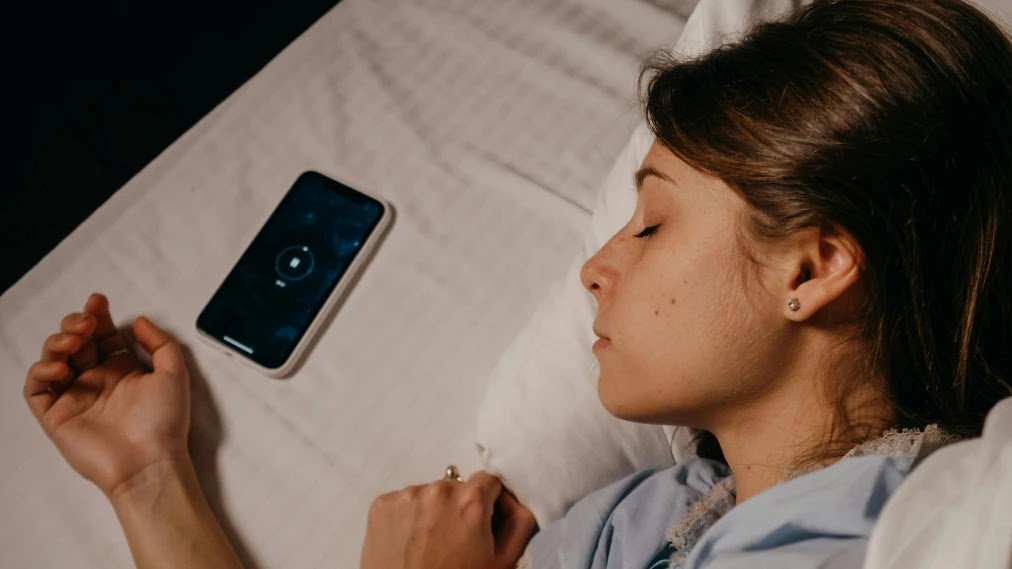

Discover how to improve sleep quality naturally with proven methods, sleep hygiene tips, and expert-backed solutions. Better sleep starts tonight.
I stared at my ceiling at 3:47 AM last Tuesday, calculating how many hours I’d get if I fell asleep “right now.” Spoiler: I didn’t fall asleep right then. Or for another hour. By morning, I was exhausted, irritable, and chugging my third coffee by 10 AM.
Sound familiar?
About 35% of Americans don’t get enough quality sleep. We’re a nation of tired, cranky, under-rested people scrolling our phones at 2 AM wondering why we can’t just… sleep.
Here’s what I learned after months of terrible sleep, dozens of research papers, and finally cracking the code: improving sleep quality naturally isn’t about one magic pill or expensive mattress. It’s about understanding how sleep actually works and creating conditions where your body does what it’s designed to do—rest deeply and wake refreshed.
What are natural ways to improve sleep quality without medication? I’m about to show you 15 proven methods that transformed my sleep from garbage to genuinely restorative. No prescription sleep aids. No groggy mornings. Just science-backed techniques that work.
Let’s fix your sleep tonight.
Understanding Sleep Quality vs. Sleep Quantity
Before we dive into solutions, let’s clarify something crucial: eight hours of restless, interrupted sleep is worse than six hours of deep, quality sleep.
Sleep Quality Includes:
- The speed at which you fall asleep (ideally within 20 minutes).
- How often you wake during the night (fewer = better)
- Time spent in deep sleep stages
- How refreshed you feel upon waking
Why Quality Matters More:
Your brain cycles through sleep stages (light, deep, REM) throughout the night. Deep sleep repairs your body. REM sleep consolidates memories and processes emotions. Miss these stages because you’re tossing and turning, and you’ll wake exhausted regardless of hours in bed.
In the morning you need to workout for better health read Morning Workout Benefits
Method #1: Master Your Sleep Hygiene
How does sleep hygiene affect sleep quality? Massively. Sleep hygiene is the foundation everything else builds on.
Sleep Hygiene Basics:
Consistent Sleep Schedule:
Your body runs on a circadian rhythm—an internal clock. Going to bed and waking at the same time daily (yes, weekends too) strengthens this rhythm.
Why is sticking to a consistent sleep schedule important? Your body starts releasing sleep hormones at the same time each night when you’re consistent. Mess with this, and you’re fighting your biology.
My Experience:
I used to stay up until 2 AM on weekends, sleep until noon, then wonder why Sunday night I couldn’t sleep. Once I started maintaining a consistent schedule (11 PM to 7 AM every day), falling asleep became automatic within two weeks.
The Rule:
Pick a bedtime that gives you 7-9 hours before your wake time. Stick to it for at least three weeks. Your body will adapt.
Method #2: Create Your Sleep Sanctuary

How can I create a restful sleep environment at home? Your bedroom should be a cave: dark, quiet, and cool.
Temperature Matters (A Lot)
The Science:
Your body temperature drops naturally when falling asleep. A cool room (60-67°F) facilitates this.
Budget Option:
- Fan pointed at bed
- Lighter blankets
- Crack window (if safe)
Darkness is Non-Negotiable
Why: Light tells your brain it’s daytime. Even small amounts of light (phone notifications, streetlights) suppress melatonin production.
Budget Option:
- Blackout curtains ($30-80)
- Cover LED lights with electrical tape
- Remove electronics from bedroom
Sound Management
The Problem:
Inconsistent sounds (car horns, dog barks) disrupt sleep more than consistent white noise.
Budget Option:
- Free white noise apps
- Fan for ambient sound
- Earplugs (though less ideal)
Method #3: Time Your Exercise Right
What role does exercise play in improving sleep naturally? Huge role, but timing matters critically.
The Benefits:
- Increases sleep duration
- Improves sleep quality
- Reduces time to fall asleep
- Decreases daytime sleepiness
The Timing Rules:
Morning Exercise (Best):
- Reinforces circadian rhythm
- Increases alertness during day
- Promotes tiredness at night
- Sun exposure bonus
Afternoon Exercise (Good):
- Body temperature peaks
- Performance is best
- Still allows cool-down before bed
Evening Exercise (Careful):
- Finish at least 3 hours before bed
- Raises body temperature and adrenaline
- Can delay sleep onset
My Mistake:
I used to do intense HIIT workouts at 8 PM, then wonder why I couldn’t sleep at 11 PM. My body was still in “go mode.” Switched to morning workouts—sleep improved immediately.
The Sweet Spot:
30 minutes of moderate exercise daily, preferably morning or early afternoon.
Method #4: Mind What You Eat and Drink
Can diet and avoiding caffeine help with better sleep? Absolutely. Food and drink dramatically affect sleep quality.
Caffeine: The Sleep Saboteur
The Problem: Caffeine stays in your system for 5–7 hours. That afternoon coffee at 3 PM? Still 50% active at 10 PM.
The Fix:
- Cut off caffeine by 2 PM
- Better yet, noon if you’re sensitive
- Remember: tea, soda, chocolate all contain caffeine
My Rule:
I drink my last coffee before 1 PM. Game-changing difference. & in the morning for best result, have healthy breakfast read Healthy Indian Breakfast for more
Alcohol: The False Friend
The Myth:
“A drink helps me fall asleep.”
The Reality:
Alcohol might help you fall asleep faster but destroys sleep quality. It suppresses REM sleep and causes middle-of-night waking.
The Solution:
Limit alcohol to 2-3 hours before bed, or better yet, avoid it on nights you want quality sleep.
Food Timing
Heavy Meals:
Finish dinner 3 hours before bed. Digestion interferes with sleep quality.
Late-Night Snacks:
If hungry, choose:
- Banana (contains tryptophan and magnesium)
- Greek yogurt (protein + calcium)
- Almonds (magnesium)
- Cherry juice (natural melatonin)
Avoid:
- Spicy food (heartburn)
- High-sugar snacks (blood sugar spikes)
- Large amounts of liquid (bathroom trips)
Method #5: Supplement Strategically
Are supplements like melatonin or magnesium safe for sleep? Generally yes, but quality and dosage matter.
Magnesium: The Relaxation Mineral
Why It Works:
Magnesium activates the parasympathetic nervous system (rest mode) and regulates melatonin.
Dosage: 200-400mg of magnesium glycinate 30-60 minutes before bed.
Melatonin: Less is More
The Truth:
Most people take too much melatonin. Studies show 0.3-1mg works as well as 3-10mg with fewer side effects.
Usage:
- Take 30-60 minutes before bed
- Start with lowest dose
- Don’t use every night (can affect natural production)
- Best for occasional use or adjusting to new schedule
Method #6: Master the Screen Time Battle
How does using screens before bed affect sleep quality? Blue light from screens suppresses melatonin production and stimulates your brain when you need the opposite.
The Problem:
Phones, tablets, TVs, and computers emit blue light that mimics daylight, telling your brain it’s time to be awake.
The Solutions:
90-Minute Rule (Ideal):
No screens 90 minutes before bed. Read, stretch, talk to family, prepare for tomorrow.
60-Minute Rule (Realistic):
At minimum, 60 minutes screen-free before bed.
If You Must Use Screens:
- Enable night mode/blue light filters
- Use blue-light blocking glasses
- Dim brightness to minimum
- Avoid engaging content (news, social media arguments)
My Routine:
Phone goes on charger in another room at 9:30 PM. I read physical books until 10:30 PM. Sleep comes easily.
Method #7: Practice Sleep-Promoting Relaxation
What breathing exercises or relaxation techniques work best? Several proven methods help transition your body to sleep mode.
4-7-8 Breathing Technique
The Method:
- Exhale completely through mouth
- Inhale through nose for 4 counts
- Hold breath for 7 counts
- Exhale through mouth for 8 counts
- Repeat 4 times
Why It Works:
Activates parasympathetic nervous system, reduces heart rate, calms mind.
My Experience:
This technique knocked me out the first time I tried it. Now it’s my go-to when my mind races.
Progressive Muscle Relaxation
The Method:
- Lie in bed
- Tense muscle group for 5 seconds
- Release and relax for 10 seconds
- Move through body: feet → calves → thighs → abdomen → chest → arms → face
Why It Works:
Releases physical tension you didn’t know you were carrying.
Method #8: Control Your Light Exposure
Daytime: Seek Bright Light
Why: Bright light exposure during the day strengthens circadian rhythm and promotes melatonin production at night.
The Goal:
30-60 minutes of bright light exposure daily, preferably morning.
How:
- Morning walk outside
- Work near window
- Eat lunch outside
- Light therapy lamp if needed
Evening: Dim Everything
2 Hours Before Bed:
Dim all lights in your home. This signals your brain that night is approaching.
The Setup:
- Warm-toned bulbs in bedroom
- Dimmer switches if possible
- Candlelight (carefully) for reading
- Night lights only in bathrooms
Method #9: Limit Naps Strategically
Why: Long or late naps can interfere with nighttime sleep.
The Rules:
- Nap before 3 PM only
- Keep it under 30 minutes
- Set an alarm
- If you can’t nap, don’t force it
Exception:
If you’re truly sleep-deprived, a longer nap might be necessary. Just know it might affect tonight’s sleep.
Method #10: Address Stress and Anxiety
The Reality:
Racing thoughts are sleep’s biggest enemy. You can have perfect sleep hygiene, but if your mind won’t shut off, you won’t sleep well.
Worry Time Technique
The Method:
- Set aside 15 minutes earlier in evening (6-7 PM)
- Write down everything worrying you
- Brainstorm potential solutions
- Close notebook
- When worries arise at bedtime, remind yourself “I already dealt with this”
Why It Works:
Your brain stops trying to solve problems when it knows you’ve allocated time for them.
Journaling Before Bed
Simple Prompts:
- Three things that went well today
- One thing I’m grateful for
- Tomorrow’s top three priorities
- One thing I’m letting go of
The Effect:
Clears mental clutter, reduces anxiety, creates positive mindset for sleep.
Method #11: Use Aromatherapy
The Science:
Certain scents trigger relaxation responses in your brain.
Lavender Essential Oil (Plant Therapy) – $12
Most studied scent for sleep. Reduces anxiety and improves sleep quality.
Usage:
- 2-3 drops on pillow
- Diffuser in bedroom
- Bath before bed
- Applied to wrists (diluted)
Other Sleep-Promoting Scents:
- Chamomile
- Bergamot
- Sandalwood
- Ylang ylang
Method #12: Try Weighted Blankets
The Concept:
Deep pressure touch stimulates serotonin and melatonin production while reducing cortisol.
Who Benefits Most:
- Anxiety sufferers
- Restless sleepers
- People with sensory issues
My Experience:
Skeptical at first, but the weight feels like a hug. Reduced my tossing and turning significantly.
Method #13: Address Underlying Issues
When is it necessary to consult a doctor about poor sleep quality? If you’ve tried everything for 4-6 weeks without improvement.
Red Flags:
- Loud snoring (possible sleep apnea)
- Gasping or choking during sleep
- Persistent daytime exhaustion despite adequate sleep time
- Frequent leg movements or restless legs
- Insomnia lasting months
Possible Conditions:
- Sleep apnea
- Restless leg syndrome
- Chronic insomnia
- Circadian rhythm disorders
- Depression or anxiety disorders
Don’t Suffer:
Quality sleep is essential for health. If natural methods aren’t working, medical evaluation is warranted.
Method #14: The Perfect Bedtime Routine
Sample 60-Minute Wind-Down:
9:00 PM:
- Dim lights throughout home
- Set phone to charge in another room
- Prepare tomorrow’s clothes/bag
9:15 PM:
- Warm shower or bath with lavender
- Skincare routine
- Put on comfortable sleepwear
9:30 PM:
- Light stretching or gentle yoga
- Magnesium supplement
- Herbal tea (chamomile or passionflower)
9:45 PM:
- Read physical book in dim light
- Journal briefly
- Gratitude practice
10:00 PM:
- 4-7-8 breathing technique
- Progressive muscle relaxation
- Lights out
Method #15: Track and Adjust
Why Tracking Matters:
What gets measured gets managed. Track your sleep to identify patterns and what works.
What to Track:
- Bedtime and wake time
- Time to fall asleep
- Wake-ups during night
- How refreshed you feel (1-10)
- Factors: exercise, caffeine, alcohol, stress levels
Tools:
Simple Journal – Paper and pen work fine too
The Process:
Track for 2 weeks. Identify patterns. Adjust one variable at a time. See what improves your score.
The 7-Day Sleep Reset Challenge
Day 1-2: Foundation
- Set consistent bed/wake times
- No screens 60 minutes before bed
- 15-minute wind-down routine
Day 3-4: Environment
- Cool bedroom (60-67°F)
- Complete darkness
- White noise if needed
Day 5-6: Additions
- Morning light exposure
- No caffeine after 2 PM
- Start magnesium supplement
Day 7: Optimization
- Combine all methods
- Track results
- Identify what works best
The Truth About Sleep
After months of terrible sleep and trying everything, here’s what I learned:
There’s No Magic Bullet:
No single supplement, gadget, or technique fixes everything. It’s the combination of multiple factors.
Consistency is King:
Perfect sleep hygiene one night doesn’t undo weeks of poor habits. This is a lifestyle change.
It Takes Time:
Give new habits 2-3 weeks before judging effectiveness. Your body needs time to adjust.
You’re Not Broken:
If you struggle with sleep, you’re not alone. Most people do. With the right approach, it’s fixable.
Start Small:
Don’t try all 15 methods tonight. Pick 3, master them, then add more.
Your Action Plan
This Week:
- Set consistent bed/wake time
- No screens 60 minutes before bed
- Start magnesium supplement
Next Week:
4. Optimize bedroom temperature
5. Install blackout curtains
6. Cut caffeine by 2 PM
Ongoing:
7. Track sleep quality
8. Adjust based on results
9. Add methods as needed
The Bottom Line
Improving sleep quality naturally isn’t complicated, but it requires commitment. You’re fighting years of poor habits, modern lifestyle challenges, and possibly biological factors.
But it’s doable. I went from 3 AM ceiling-starer to someone who falls asleep within 15 minutes and wakes refreshed. You can too.
Start tonight. Pick three methods from this guide. Give them two weeks. Your well-rested future self will thank you.
Because life is too short to spend it exhausted. You deserve quality sleep. Now you know how to get it.
Authority Bio:
Hi, I’m MACHHINDRA Jadhav — a passionate Health Content Writer with 4+ years of experience in the health and wellness space. I specialize in breaking down complex topics like Disease & Conditions, Fitness, Mental Health, and Nutrition into simple, practical advice you can actually use in your daily life.
My goal is not just to inform, but to empower you to take control of your health naturally and confidently. Every article I write is backed by research, real insights, and a deep commitment to helping people live healthier, stronger, and more balanced lives.
If you’re looking for clear, honest, and actionable health guidance — you’re in the right place.
References
- National Institute of Diabetes and Digestive and Kidney Diseases (NIDDK)
- Mayo Clinic
- World Health Organization (WHO)
Disclaimer: This article provides general information about sleep improvement. It’s not a substitute for professional medical advice. Consult your healthcare provider before starting new supplements, especially if you have medical conditions or take medications. Individual results may vary.
Sleep well. You’ve earned it.