Discover how chronic stress and stalking significantly increase heart disease risk in women. Learn symptoms, risk factors, and evidence-based prevention strategies.

Introduction: When Your Nerves Start Affecting Your Heart
You know that feeling when your heart races, your palms get sweaty, and your chest feels tight? Most of us chalk it up to stress or anxiety—maybe we’ve had a rough day at work or we’re dealing with a difficult relationship. But here’s what most women don’t realize: that constant, gnawing stress isn’t just messing with your mood. It’s quite literally attacking your heart.
I’m talking about the kind of stress that doesn’t go away. The kind that creeps into your sleep, colors your mornings, and makes you look over your shoulder. For too many women, that stress comes from somewhere deeply personal—from being stalked, harassed, or living in constant fear. And the health consequences? They’re far more serious than anyone talks about.
The truth is, risk of heart disease in women has a lot to do with what’s happening in your head and your life, not just what’s on your plate or how often you hit the gym. When chronic stress and stalking enter the picture, your cardiovascular system doesn’t stand a chance. Let’s talk about why, and more importantly, what you can do about it.
Understanding Heart Disease Risk in Women: Why Women Are Different
Before we dive into the stalking and stress connection, let’s get real about something: heart disease in women symptoms and risk factors look different than they do for men. Way different.
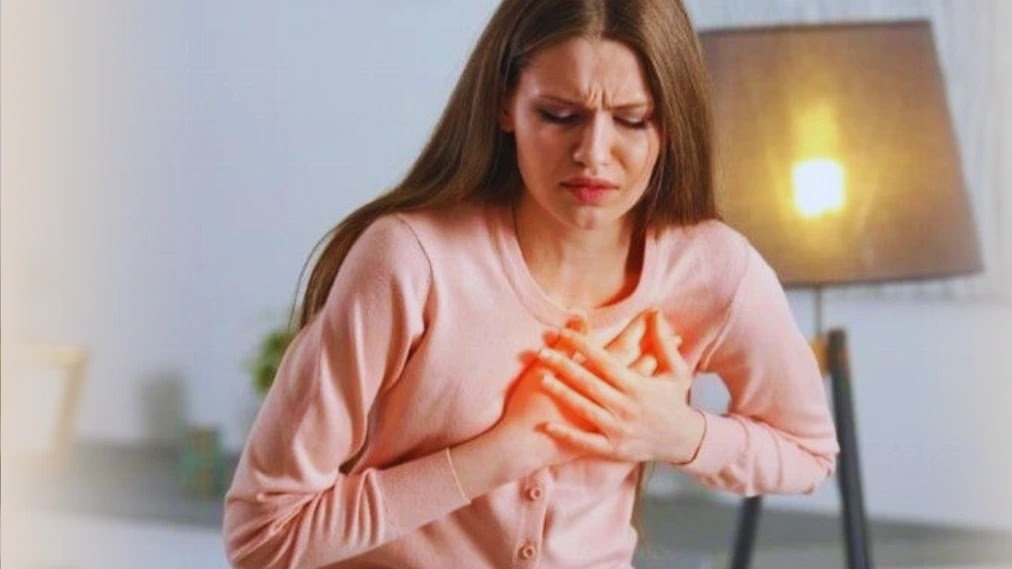
Women often experience heart attack symptoms that don’t match the Hollywood cliché of crushing chest pain. Instead, you might feel unusual fatigue (like, bone-deep exhaustion), jaw or back pain, indigestion, or shortness of breath. Some women describe it as feeling like an elephant sitting on their chest. Others say it feels more like pressure in their back or a weird ache in their neck.
This difference matters because it means women are more likely to dismiss their symptoms or have them dismissed by doctors. We’re taught that “real” heart attacks announce themselves dramatically, so when a woman experiences subtle warning signs, she—and sometimes her healthcare provider—might miss the danger entirely.
| Female Heart Attack Symptoms | How It Differs from Men |
|---|---|
| Unusual fatigue | Men typically feel more acute, sudden exhaustion |
| Jaw, neck, or back pain | Men usually report chest pain first |
| Indigestion or nausea | Men less commonly experience GI symptoms |
| Shortness of breath without chest pain | Men more often have breathing issues with chest pain |
| Pressure in the chest or arms | Similar, but often described differently by women |
The bottom line? Women’s heart health requires a different conversation. And when you layer in chronic stress and stalking, that conversation becomes even more critical.
The Stress-Heart Connection: Science That’ll Make You Think
Here’s the science part, but I promise to keep it real: chronic stress is like putting your body in a perpetual state of emergency. Your nervous system triggers the release of stress hormones—cortisol and adrenaline—which cause your blood pressure to spike, your heart to beat faster, and your arteries to constrict.
When this happens occasionally, it’s fine. Your body’s built to handle it. But when it happens day after day, month after month, year after year? Your cardiovascular system starts to wear down.
Chronic stress literally:
- Raises your blood pressure over time, which damages artery walls
- Increases inflammation throughout your body, contributing to plaque buildup
- Elevates LDL (“bad”) cholesterol and lowers HDL (“good”) cholesterol
- Can trigger blood clots that increase heart attack risk
- Weakens your immune system, making you more vulnerable to infection and disease
For women specifically, stress has an even more insidious effect. Women already experience shifts in heart disease risk during major life transitions—pregnancy, menopause, hormonal changes. Add chronic stress on top of that hormonal vulnerability, and you’ve created a perfect storm.
The research backs this up too. Studies show that women with high stress levels have significantly elevated risk factors for heart disease in women, including higher blood pressure, worse cholesterol profiles, and increased inflammation markers.
When Stress Becomes Stalking: A Special Kind of Terror

Now let’s address something most health articles avoid: the intersection of stalking and heart disease risk.
Stalking isn’t just uncomfortable or annoying. It’s not just a social media annoyance or an ex who won’t let go. Stalking is a pattern of repeated, unwanted contact that causes fear. It’s threatening. It’s controlling. And for the woman experiencing it, it’s chronic stress on steroids.
When you’re being stalked, you’re not just dealing with regular daily stress. You’re living with:
- Hypervigilance: constantly scanning your environment for danger
- Loss of control: not knowing where the threat will come from or when
- Isolation: withdrawing from normal activities to avoid contact
- Sleep disruption: lying awake wondering if they’ll show up
- Persistent fear: the kind that sits in your chest and doesn’t leave
All of these factors trigger that same stress response we talked about earlier—but with the volume turned way up.
How Stalking Amplifies Your Heart Disease Risk
Stalking victims often experience something called “complex trauma,” which means their nervous systems are essentially stuck in fight-or-flight mode. Their bodies are constantly releasing those stress hormones we mentioned. Their blood pressure stays elevated. Their inflammation markers skyrocket. Their sleep gets disrupted, which creates its own cascade of health problems.
It’s not just psychological either. A woman experiencing stalking often develops clinical anxiety or depression, which independently increase heart disease risk in women. She might neglect exercise because she’s afraid to go outside. She might comfort eat or reach for unhealthy coping mechanisms. She might skip doctor’s appointments because she’s dealing with trauma.
The cruel irony? The very thing that’s making her feel safer (staying home, avoiding places) is actually putting her heart at greater risk.
The Age Factor: Heart Disease Risk in Women Under 40 and Beyond
You might think heart disease is a concern for older women, and you’d be partially right. But here’s what surprises most people: heart disease risk in women under 40 is absolutely real, especially when stress and trauma are involved.
Young women who experience stalking can develop cardiovascular problems in their 20s, 30s, and early 40s that will follow them for life. Their risk factors start early because their stress exposure is early and relentless. By the time they reach menopause—when risk of heart disease in women after menopause naturally increases due to hormonal shifts—they might already have significant cardiovascular damage.
This is why asking the right questions early matters. If you’re a young woman with unexplained chest discomfort, fatigue, or symptoms that come and go, it’s worth asking your doctor: Is stress playing a role here? Am I in a situation that’s causing chronic fear?
Frequently Asked Questions About Heart Disease Risk and Stress
What are the early signs of heart disease in women, and how are they different from men?
Early signs in women often include unusual fatigue, shortness of breath without exertion, jaw or back pain, and sometimes indigestion. Men typically report chest pain or pressure first. Women’s symptoms are subtler, which means they’re more likely to be missed or attributed to something else.
Can chronic stress alone cause heart disease?
Chronic stress won’t directly create plaque in your arteries, but it absolutely accelerates the process if you have other risk factors. More importantly, it raises blood pressure, increases inflammation, and damages your endothelial cells (the lining of your blood vessels). Over time, this creates the conditions where heart disease thrives.
How does stalking-related trauma specifically affect heart health?
Stalking creates a unique type of chronic stress because it involves genuine danger, loss of control, and persistent threat. This keeps your nervous system in overdrive, maintaining elevated stress hormones that damage your cardiovascular system. Additionally, stalking often leads to anxiety, depression, sleep problems, and unhealthy coping mechanisms—all independent risk factors for heart disease.
What are the most effective lifestyle changes to lower heart disease risk?
The big ones: regular exercise (at least 150 minutes of moderate activity per week), adopting a heart healthy diet for women (Mediterranean pattern works beautifully), managing stress through meditation or therapy, getting 7-9 hours of sleep, quitting smoking if applicable, and maintaining a healthy weight. But—and this is crucial—if you’re dealing with stalking or trauma, addressing the root cause matters as much as these lifestyle factors.
Should I be screened for heart disease if I’m experiencing chronic stress?
Absolutely. If you’re under significant stress or have experienced trauma, talk to your doctor about your risk. You might benefit from baseline tests like blood pressure checks, cholesterol panels, and possibly an EKG. An ASCVD Risk Estimator can help quantify your 10-year cardiovascular risk based on your age, blood pressure, cholesterol, and other factors.
How does menopause change my heart disease risk?
Risk factors for heart disease in women after menopause increase because estrogen—which has protective cardiovascular effects—drops significantly. Your blood pressure tends to rise, your LDL cholesterol increases, and your HDL decreases. If you’ve spent years managing chronic stress or trauma, menopause adds another layer of vulnerability to an already compromised system.
Are there supplements or medications specifically recommended for women at risk?
This is incredibly personal and varies by your individual risk profile. Some women benefit from omega-3 supplements, others from specific blood pressure medications. Your doctor might recommend a women-focused multivitamin with vitamin D and B vitamins, especially if your stress has affected your nutrition. Never start supplements without checking with your healthcare provider.
What should I ask my doctor about heart disease risk if I’m a woman?
Great question to ask: What’s my 10-year cardiovascular risk based on my current numbers? What specific risk factors do I have? Given my stress levels (or history of trauma), should I have additional screening? What’s my blood pressure target? What should my cholesterol levels be? Are there specific warning signs I should watch for?
Can exercise really help reduce my risk if I’m dealing with trauma or stalking?
Yes, but with caveats. Exercise is powerful for heart health, but if you’re in active danger or experiencing acute trauma, your safety comes first. Once you’re in a safer situation, gradually introducing movement—whether that’s walking, yoga, or strength training—can help your nervous system regulate and reduce your cardiovascular risk.
How do depression and anxiety (often caused by stalking) affect heart disease risk?
Depression and anxiety are independent risk factors for heart disease. They’re not just “in your head”—they activate the same stress response pathways, trigger inflammation, and often lead to unhealthy coping behaviors. If you’re experiencing these as a result of stalking or chronic stress, treating them with therapy and possibly medication is part of protecting your heart.
Building Your Heart-Healthy Foundation: Practical Steps Forward

Okay, so you understand the risk. Here are some real-life actions you can apply.
Step 1: Assess Your Current Situation
First, get honest about your stress levels. Are you living with chronic fear? Are you in a situation that’s threatening or controlling? Is someone stalking you? If yes to any of these, your first priority isn’t adding more exercise to your week—it’s getting to safety and accessing support. When your safety is at risk, connect with a helpline, a trained counselor, or emergency services.
Step 2: Get Your Baseline Numbers
Schedule a visit with your doctor and ask for a full cardiovascular workup:
- Blood pressure check (should be below 120/80)
- Lipid panel (LDL, HDL, total cholesterol, triglycerides)
- Blood glucose (especially important if diabetes runs in your family)
- Consider an EKG if you’re over 50 or have multiple risk factors
These numbers are your baseline. They tell you where you’re starting from.
Step 3: Adopt a Heart-Healthy Diet
A heart healthy diet for women doesn’t require deprivation or complicated rules. Think Mediterranean: lots of vegetables, fruits, whole grains, legumes, nuts, and olive oil. Fish twice a week if you eat it. Limited red meat. Minimal processed foods.
Easy swaps that work:
- Olive oil instead of butter
- Walnuts and almonds as snacks
- Grilled fish instead of fried chicken
- Whole grain bread instead of white
- Homemade tea instead of sugary drinks
Step 4: Move Your Body (Safely)
Exercise recommendations for women to reduce heart disease risk typically mean 150 minutes of moderate aerobic activity per week. That sounds like a lot, but it’s just 30 minutes, 5 days a week. A brisk walk. A yoga class. A dance video at home. Swimming.
If you’re dealing with trauma, start smaller. Even 10-minute walks help. The goal is consistency, not intensity.
Step 5: Manage Your Stress (Really Manage It)
This is where therapy, meditation, support groups, and stress-management tools come in. Consider:
- Working with a trauma-informed therapist
- You can use mindfulness apps such as Calm or Headspace for guided relaxation.
- Joining a support group for stalking survivors or women with trauma
- Practicing yoga or tai chi
- Keeping a journal
Stress management isn’t a luxury when you’re managing chronic health risk—it’s essential medicine.
Step 6: Prioritize Sleep
Sleeping fewer than seven hours is linked with higher blood pressure, obesity, and diabetes. When you’re dealing with stress or trauma, sleep is often compromised. If you’re struggling, consider:
- A consistent bedtime routine
- Limiting screens an hour before bed
- A white noise machine or sleep app
- Discussing sleep aids with your doctor if needed
Step 7: Monitor Your Progress
Keep a simple log of your blood pressure, symptoms, stress levels, and how you’re feeling. This isn’t about obsessing—it’s about building awareness. Share this with your doctor at check-ins.
The Products That Actually Help
While no product replaces medical care, some tools make heart-healthy living more manageable:
For monitoring: An automatic blood pressure monitor (like Omron) lets you track readings at home. This is especially valuable if you’re managing stress-related hypertension.
For movement: A comfortable pair of walking shoes and a fitness tracker (Fitbit, Garmin, Apple Watch) make activity more enjoyable and trackable.
For stress: A yoga mat paired with beginner-friendly apps helps create a meditation or movement practice at home.
For nutrition: A Mediterranean-style cookbook or consulting with a dietitian ensures you’re eating in ways that support your heart.
For sleep: Sleep tracking devices or apps help you understand your sleep patterns and identify issues.
For education: Booklets from trusted organizations (CDC, NIH, American Heart Association) provide evidence-based information specific to women’s heart health.
The key is choosing tools that actually fit your life and your situation. A $300 fitness tracker won’t help if you’re not safe to exercise outside. A meditation app won’t heal trauma that needs professional therapy.
The Conversation Your Doctor Needs to Have With You

If you’re a woman dealing with chronic stress or trauma, bring it up at your next appointment. Not as a casual mention, but as crucial health information. Tell your doctor:
“I’m experiencing chronic stress (or I’ve experienced stalking/trauma). I understand this increases my heart disease risk. What should we be monitoring? What’s my actual cardiovascular risk based on my numbers? Should I have any additional testing?”
A good doctor will take this seriously. They’ll explore whether stress management interventions (therapy, medication for anxiety or depression) might be appropriate. They might refer you to a cardiologist if needed. They’ll make sure you’re not dismissing cardiac symptoms because you’ve been taught to minimize your health concerns.
If your doctor doesn’t take this seriously, find one who will. Your heart—and your life—are worth it.
The Bottom Line: Your Heart Deserves Better Than Chronic Stress
Here’s what I want you to remember: women’s heart health isn’t just determined by genetics or cholesterol levels. It’s deeply affected by the stress you’re carrying, the fear you’re living with, and the situations you’re enduring.
If you’re experiencing stalking, chronic harassment, or living with someone who makes you afraid, that’s not something you have to manage alone for the sake of your health. Getting to safety, getting support, and addressing the trauma isn’t a luxury—it’s preventive medicine.
Your heart literally cannot heal while you’re in a state of chronic fear. And your cardiovascular system will thank you when you prioritize both your physical safety and your mental health.
Start small. Get your baseline numbers. Talk honestly with your doctor. Take one stress-management step today. Do physical activities that feel safe and right for your body. Eat one Mediterranean-inspired meal. Sleep one good night.
Your future self—the one with a healthy heart and peace of mind—is worth these steps.
Call to Action
Have you noticed unexplained fatigue, chest pressure, or other symptoms that concern you? Or are you managing chronic stress that you know is affecting your health? Don’t wait for things to get worse. Schedule a cardiovascular check-in with your doctor this month. Talk about your stress levels. Ask about your risk. Get your numbers. Your heart’s been sending you signals—it’s time to listen.
Authority Bio:
Hi, I’m MACHHINDRA Jadhav — a passionate Health Content Writer with 4+ years of experience in the health and wellness space. I specialize in breaking down complex topics like Disease & Conditions, Fitness, Mental Health, and Nutrition into simple, practical advice you can actually use in your daily life.
My goal is not just to inform, but to empower you to take control of your health naturally and confidently. Every article I write is backed by research, real insights, and a deep commitment to helping people live healthier, stronger, and more balanced lives.
If you’re looking for clear, honest, and actionable health guidance — you’re in the right place.
References
- National Institute of Diabetes and Digestive and Kidney Diseases (NIDDK)
- Mayo Clinic
- World Health Organization (WHO)
“This article is for educational purpose. Always consult your doctor.”