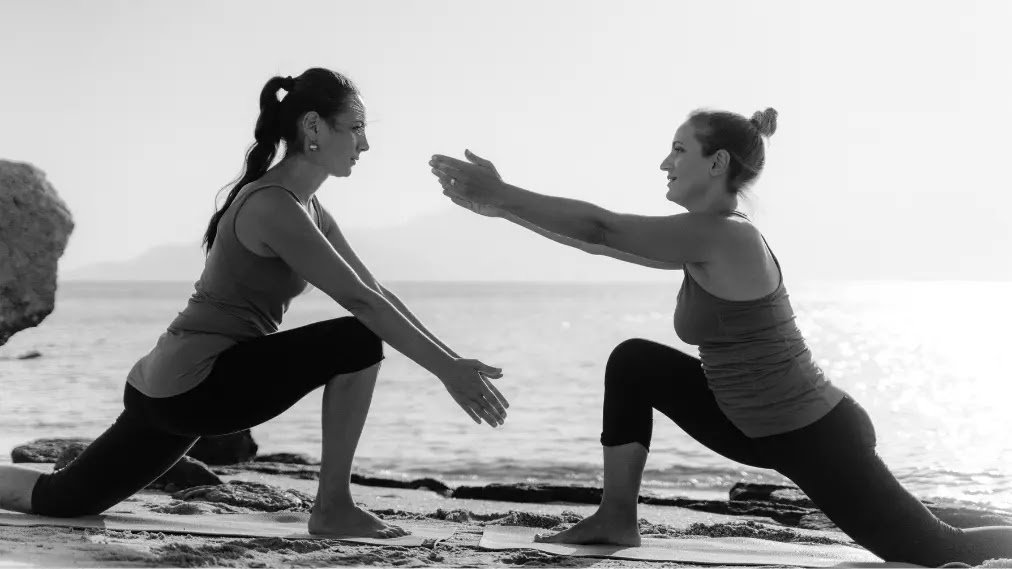
Discover effective 15-minute home workouts that burn fat fast without equipment. Perfect for busy schedules—get fit at home with HIIT, yoga, and strength training options.

Introduction
You know that nagging feeling? You want to work out, but life gets in the way. Between work, family, errands, and everything else competing for your attention, finding time to hit the gym feels impossible. Here’s the thing though—you don’t need a fancy gym membership, expensive equipment, or two hours a day to get real results.
What if I told you that just 15 minutes a day could genuinely transform your fitness? Not someday. Actually.
The secret isn’t in the duration—it’s in the intention. A well-designed 15-minute home workout can burn serious fat, build muscle, improve your flexibility, and boost your energy levels. And the best part? You can do it in your living room, your bedroom, or even that spare corner of your apartment. No gym required. No complicated equipment. Just you, a little space, and a willingness to show up for yourself.
I’ve seen countless people discover that these quick, intense sessions fit perfectly into their chaotic lives. One client told me she’d tried gyms three times over the years, but this was the first time fitness actually stuck. Why? Because it wasn’t another barrier to overcome—it was something she could actually do.
Let’s explore how 15-minute home workouts work, why they’re so effective, and exactly how to structure your own fat-burning routine.
What Equipment Do I Need for 15-Minute Home Workouts?
Here’s the good news: you might not need much. In fact, some of the most effective 15-minute home workouts require absolutely nothing but your body.
Bodyweight-Only Workouts work beautifully for quick sessions. Think burpees, push-ups, jump squats, mountain climbers, and planks. Your own bodyweight provides plenty of resistance, especially during HIIT training where speed and intensity do the heavy lifting.
That said, adding just one or two affordable pieces of equipment can unlock new movement patterns and make workouts more interesting. Here’s what actually delivers value:
Resistance Bands are absolute game-changers for 15-minute workouts. They’re compact, dirt cheap compared to other equipment, and incredibly versatile. You can use them for upper body pulls, leg work, core activation—basically anything. A quality set like the Boldfit Resistance Bands Set (₹2,000-3,000) gives you multiple resistance levels and fits in a drawer.
Dumbbells or Amazon Basics Adjustable Dumbbells (5-25kg) let you add progressive overload to your strength work. Progressive overload is just fancy speak for “gradually making exercises harder,” which is how you build muscle and boost metabolism.
A good yoga mat prevents your knees and wrists from getting beat up during floor exercises. Something simple like a 6mm Non-Slip Yoga Mat (₹800-1,500) adds comfort and stability without breaking the bank.
Jump ropes amp up your cardio instantly. A basic Speed Jump Rope from Decathlon costs less than ₹500 and can turn any 15-minute session into serious calorie-burning work.
The real lesson? Start with nothing. Seriously. Your body is enough. Once you’ve built the habit and want to increase intensity, then grab affordable pieces one at a time. No need to drop thousands on equipment you might not use.
Are 15-Minute Home Workouts Actually Effective for Weight Loss?

This is the question everyone asks, and I’m going to give you the straight answer: yes, but with context.
A single 15-minute workout won’t create dramatic fat loss. Nothing works that way. Weight loss happens through consistency over time—burning more calories than you consume, combined with proper nutrition and sleep. One sweat session doesn’t override poor eating habits or a sedentary lifestyle otherwise.
But here’s where it gets interesting: a well-designed 15-minute HIIT (High-Intensity Interval Training) workout can burn 200-300+ calories in those 15 minutes, depending on your body composition, fitness level, and exercise intensity. That’s genuinely solid. Do that consistently 5-6 days per week, add decent nutrition, and yes—you’ll lose fat.
The real magic of 15-minute workouts for weight loss is adherence. Most people fail at fitness because they choose unsustainable routines. They sign up for gyms they hate, commit to hour-long workouts that don’t fit their schedule, and quit within weeks.
Fifteen minutes? You can actually stick with that. You can do it before work. During lunch. After dinner. When the kids are napping. On a busy day, you’re more likely to squeeze in 15 minutes than to skip it entirely because you don’t have a full hour.
Consistency beats perfection. A person doing 15-minute workouts four times weekly will see way more fat loss than someone planning hour-long sessions they never actually do.
The research backs this up too. Studies on HIIT show that short, intense bursts create an “afterburn effect” (EPOC—Excess Post-Exercise Oxygen Consumption) where your metabolism stays elevated for hours after you finish. Your body’s basically still working even after you’ve showered.
The bottom line: 15-minute workouts absolutely work for weight loss when they’re intense, consistent, and paired with decent eating habits. They’re not magical, but they’re realistic—and realistic beats perfect every single time.
Can Beginners Do 15-Minute Home Workouts Safely?
Absolutely. But “beginner” needs some nuance here.
If you’re completely sedentary—meaning you’ve been inactive for a long time or have any health concerns—start by talking to your doctor. I know that sounds obvious, but people skip this step, and it matters. Your doc can give you the green light and flag any limitations.
Once you’re cleared, beginners can absolutely do 15-minute workouts. The key is modifying intensity, not avoiding the workouts entirely.
Here’s the beginner-friendly approach:
First 1-2 weeks: Focus on learning proper form over speed or intensity. Do the exercises slowly. Take rests between sets. You’re teaching your body the patterns. This doesn’t feel as intense, but it’s actually more important than pushing hard when you don’t know what you’re doing. Bad form is how injuries happen.
Weeks 2-4: Start adding more reps or slightly increasing pace. You should feel working, but you shouldn’t be gasping for air or in pain. There’s a difference between muscle fatigue and joint pain. Muscle fatigue is good. Sharp pain is your body’s stop sign.
Modifications matter: Can’t do full push-ups? Do them on your knees. Jump squats too intense? Do regular squats. Burpees making you dizzy? Do a simpler cardio move like marching or step-touches. Every exercise has a beginner version.
Recovery is real: Don’t do intense workouts every single day as a beginner. Your body needs time to adapt. Three to four times per week is perfect for building a foundation.
The beautiful thing about 15 minutes is that even if you’re only doing 60% of the “full” version, you’re still getting a solid workout. It’s forgiving in that way.
How Often Should I Do 15-Minute Home Workouts Per Week?
The frequency depends on your goals, fitness level, and intensity.
For fat loss: 4-6 times per week is ideal. You’re creating enough weekly volume to build a calorie deficit while allowing rest days for recovery. Rest days aren’t lazy—they’re when your muscles actually repair and adapt.
For muscle building: 3-5 times per week, split between different muscle groups if possible. If you’re doing full-body workouts, three times weekly gives good stimulus with rest days between. Your muscles grow during rest, not during the workout.
For general fitness: 3-4 times per week maintains cardiovascular health and strength without demanding massive time investment.
The sustainability factor: Honestly, the “perfect” frequency is whatever you’ll actually do. I’ve seen people transform on three workouts per week because they were consistent for a year. I’ve also seen people burn out on six-per-week because it felt overwhelming.
Start with 3-4 times per week. You can always increase once it becomes habit.
What Are the Best 15-Minute HIIT Home Workouts?

HIIT (High-Intensity Interval Training) is basically structured chaos—short bursts of all-out effort followed by recovery periods. It’s phenomenal for fat burning in limited time.
The HIIT Formula:
- Work period: 40 seconds of maximum effort
- Rest period: 20 seconds of easy movement or complete rest
- Repeat: Continue for 12-15 minutes
Sample 15-Minute HIIT Circuit:
Warm-up (1 minute):
- 30 seconds: Arm circles and leg swings
- 30 seconds: Light jogging in place or jumping jacks
Main circuit (13 minutes): Perform each exercise for 40 seconds hard, 20 seconds rest. Repeat the circuit 2-3 times.
- Jump squats (or regular squats if needed)
- Push-ups (or knee push-ups)
- High knees (running in place, driving knees up)
- Burpees (or step-back burpees for beginners)
- Mountain climbers
- Broad jumps (or step forward lunge jumps)
You’ll notice there’s no rest between exercises—just the built-in 20-second recovery. This keeps your heart rate elevated, which is the point. When you finish the whole circuit, you’ll probably want to lie on the floor. That’s the intended effect.
Why HIIT works so well: Your body can’t adapt to constantly changing intensity like it does with steady cardio. You’re tricking your metabolism into staying revved up. Plus, you get serious cardiovascular benefits without running for 45 minutes.
Do 15-Minute Home Workouts Actually Build Muscle?
Yes—with caveats.
Muscle building requires three things:
- Progressive overload (gradually increasing weight/difficulty)
- Adequate protein (muscles need building blocks)
- Sufficient recovery (sleep, rest days, and decent nutrition)
Can 15 minutes of work trigger muscle growth? Absolutely. People build serious muscle on short, intense sessions. Athletes use 20-30 minute workouts all the time. The difference between “building” and “maintaining” is consistency and intensity, not necessarily duration.
However, 15 minutes is less total volume than longer sessions. You’re doing fewer reps and sets overall. This doesn’t mean you can’t build muscle—it just means your results might look different. You might build leaner, more defined muscles rather than significant size gains.
How to maximize muscle building in 15 minutes:
- Focus on compound movements (squats, push-ups, rows, lunges) that work multiple muscles
- Use resistance—dumbbells, resistance bands, or challenging bodyweight variations
- Aim for 3-4 sets per major muscle group weekly
- Eat enough protein (roughly 0.7-1g per pound of bodyweight)
- Do this consistently for at least 8-12 weeks before expecting visible muscle changes
A 15-minute dumbbell workout done 4 times per week will absolutely build muscle, especially if you’re new to strength training. Your body responds to resistance and challenge, regardless of whether that challenge comes in a 15-minute or 60-minute package.
Can I Do 15-Minute Home Workouts Every Day?
Technically? Yes. Should you? Usually not.
Here’s the physiology: Your muscles actually grow during rest, not during the workout. The workout creates the stimulus, but recovery is where adaptation happens. If you train hard, train smart, and recover well, you can do something every day—but “something” doesn’t mean hard training every day.
A sustainable daily approach looks like:
- 3 days per week: Intense HIIT or strength work
- 2-3 days per week: Gentle yoga, stretching, or light walking
- 1-2 complete rest days: Zero exercise
This gives you daily activity without overtraining. It’s the difference between sustainable and burnout.
If you want to do something every single day, lower the intensity on “off” days. A gentle 15-minute yoga flow is completely fine daily. Intense HIIT? Not so much.
The actual barrier most people hit isn’t physical—it’s mental. Doing the same routine seven days weekly gets boring. Humans crave variety. You’ll stick with 3-4 intense days plus optional easy days far longer than you’ll stick with daily grinders.
What Calories Does a 15-Minute Home Workout Burn?

This is where specificity matters, because the answer truly depends on multiple factors.
Variables that affect calorie burn:
- Your body weight: Heavier people burn more calories doing the same exercise
- Exercise intensity: HIIT burns way more than gentle yoga
- Fitness level: Your body becomes more efficient over time, so beginners burn more calories initially
- Type of exercise: Burpees burn more than stretching. Obviously.
General estimates:
- Gentle yoga or stretching: 50-100 calories
- Moderate cardio (steady pace): 100-150 calories
- HIIT workout: 200-300+ calories
- Strength training: 100-200 calories (plus afterburn effects)
Here’s the thing that often gets overlooked: the afterburn. HIIT workouts elevate your metabolism for hours after you finish, meaning you’re burning extra calories doing normal stuff. That metabolism boost can add another 50-100 calories of burn, depending on the workout intensity.
The real metric: Don’t obsess over the exact number. You can’t outrun your fork anyway. Two hundred calories burned sounds great until you grab a muffin (300 calories) and wipe that out. The bigger picture is consistency, intensity, and nutrition combined.
Are There 15-Minute Yoga Home Workouts for Flexibility?
Absolutely, and they’re brilliant for recovery and balance.
Yoga gets underrated in fitness conversations because it’s not as intense as HIIT, but flexibility and mobility matter enormously. Tight hip flexors, stiff shoulders, and limited ankle mobility don’t just feel bad—they mess with your movement patterns and make you more injury-prone.
Warm-up (2 minutes):
- Cat-cow stretches: 10 reps
- Shoulder rolls: 20 reps total
- Neck rolls: 10 reps each direction
Main sequence (11 minutes):
- Downward dog: 30 seconds
- Forward fold: 30 seconds
- Low lunge (each leg): 45 seconds per side
- Pigeon pose (hip opener): 1 minute per side
- Seated spinal twist: 45 seconds each side
- Child’s pose: 1 minute
- Bridge pose: 45 seconds
- Legs-up-the-wall pose: 2 minutes (amazing for recovery)
- Corpse pose/savasana: 1 minute
The beauty of 15-minute yoga is simplicity. You’re not trying to master advanced poses. You’re creating space in your body, releasing tension, and giving your nervous system a chance to chill.
Pro tip: Do yoga on your non-intense workout days. This creates active recovery that supports your body’s adaptation without adding stress.
How to Structure a 15-Minute Full Body Home Workout
Structuring matters. A random collection of exercises is just… random. A thoughtful structure maximizes efficiency.
The full-body structure that works:
Minutes 0-2: Warm-up
- 5 arm circles each direction
- 10 leg swings each direction
- 10 bodyweight squats (slow, controlled)
- 20 jumping jacks or march in place
Why: Warms up your central nervous system, increases heart rate gradually, and lubricates your joints.
Minutes 2-12: Main strength circuit
Perform each exercise for 40 seconds, rest 20 seconds. Complete the circuit 2x.
Circuit 1 (targets full body):
- Goblet squats or dumbbell squats
- Push-ups (any variation)
- Dumbbell rows (one arm at a time)
- Reverse lunges (alternating)
Circuit 2 (targets core and conditioning):
5. Plank with shoulder taps
6. Burpees
7. Russian twists (with or without weight)
8. High knees run
By alternating between lower body, upper body, and core, you’re never resting the same muscles twice in a row. This keeps intensity high while individual muscle groups get micro-breaks.
Minutes 12-15: Cool-down and stretch
- 30 seconds: Walking and slow breathing
- 30 seconds: Quad stretch (each leg)
- 30 seconds: Hamstring and forward fold
- 30 seconds: Child’s pose
Why: Brings your heart rate down gradually, prevents dizziness, and improves flexibility.
Frequently Asked Questions About 15-Minute Home Workouts
Q: Will I get sore doing 15-minute home workouts?
A: Maybe, especially if you’re new to exercise. Delayed-onset muscle soreness (DOMS) peaks 24-48 hours after a workout and is actually a sign your muscles are adapting. It’s not a sign you need to do more—it’s a sign you did enough to create stimulus. Soreness usually decreases as your body adapts. If you’re still destroyed after weeks, you’re either doing too much or not eating/sleeping enough.
Q: Can I do 15-minute workouts if I have bad knees/back/shoulders?
A: Yes, with modifications. Basically every exercise has an easier variation. Bad knees? Skip jump squats, do regular squats. Bad shoulder? Adjust push-up angles or do resistance band rows instead. The pattern matters; the specific exercise is just the vehicle. Work with a physical therapist if you have specific pain to understand your limitations.
Q: Should I eat before or after my workout?
A: Depends on timing and intensity. For early morning HIIT on an empty stomach? Your body has enough glycogen to handle it. For evening workouts, eat something light 1-2 hours before (banana, toast, Greek yogurt) to fuel your session. After the workout, eat some protein and carbs within 1-2 hours to support recovery.
Q: How long until I see results?
A: Depends what you mean by results. You’ll feel better after 2-3 weeks—more energy, better sleep, mood improvement. You’ll see visible changes around 6-8 weeks of consistent work, assuming nutrition is decent. Serious body composition changes take 12+ weeks. Be patient.
Q: Will I plateau doing the same 15-minute workout?
A: Eventually, yes. Your body adapts surprisingly fast. Vary your workouts every 4-6 weeks—swap exercises, change rep ranges, adjust intensity. This is called “periodization” and it’s the secret to continuous progress.
Q: Can I combine 15-minute workouts with other exercise?
A: Absolutely. Athletes do it all the time. Short intense workouts can pair beautifully with longer, lower-intensity activities like walking, cycling, or hiking. In fact, mixing intensity levels is ideal.
Q: What if I miss workouts?
A: Life happens. One missed workout doesn’t matter. Two weeks of missed workouts sets you back. The goal is consistency over perfection. Miss one? No big deal. Just do the next one. Miss three? Acknowledge it, forgive yourself, and restart. Perfectionism kills fitness habits. Resilience builds them.
Building Your Personalized 15-Minute Home Workout Routine

Here’s the thing nobody tells you: the best workout is the one you’ll actually do.
You can have the perfect program, but if it bores you to tears or doesn’t fit your life, you won’t stick with it. So instead of giving you one rigid routine to follow, let me show you how to build your own.
Step 1: Choose Your focus area
- Full body (hit every muscle group)
- Upper body (chest, back, arms, shoulders)
- Lower body (quads, hamstrings, glutes, calves)
- Core & cardio (abs, obliques, cardiovascular)
- Flexibility (yoga, stretching, mobility)
Step 2: Pick 4-5 exercises that align with your focus
- For muscle building: compound movements (squats, push-ups, rows, deadlifts)
- For fat loss: high-intensity exercises (burpees, jump squats, mountain climbers)
- For flexibility: stretches and mobility work
Step 3: Set your structure
- 1-2 minutes warm-up
- 12-13 minutes main work
- 1-2 minutes cool-down
Step 4: Choose your format
- Circuit style: Cycle through exercises, minimal rest between
- HIIT style: 40 seconds hard, 20 seconds easy, repeat
- Strength style: Perform all sets of one exercise, then move to next
- Yoga/stretch style: Hold positions for time, flow between them
Step 5: Track progress
Keep a simple log. Did you do it? How did it feel? Could you do more reps? This feedback drives improvement without overthinking.
The magic happens when you combine good structure with consistency. The second magic happens when you enjoy what you’re doing.
The Psychology of Sticking with 15-Minute Workouts
Here’s what separates people who transform their fitness from people who try once or twice then quit: mindset.
Fitness isn’t about finding the perfect program. It’s about showing up repeatedly, even when you don’t feel like it. Especially when you don’t feel it.
The first 21 days are about proving to yourself it’s possible. You’re not going to see dramatic results yet, but you’ll feel like you can actually do this. You’ll find the time. Your body will adapt. This mental shift is where the real work happens.
Weeks 4-8 are where results become visible. Your clothes fit differently. You have more energy. People notice. This is the reinforcement stage where intrinsic motivation takes over. You’re no longer doing it because you “should”—you’re doing it because you genuinely feel the benefits.
Beyond 8 weeks, it becomes identity. You’re no longer “someone trying to work out.” You’re “someone who works out.” This identity shift is the difference between temporary change and permanent transformation.
The beautiful thing about 15-minute workouts? They’re realistic enough to support all three stages. You can commit to 15 minutes. You can feel the results. You can build the identity.
Final Thoughts: Your Fitness Journey Starts Now
You came here looking for information about 15-minute home workouts, and I hope you’ve found it helpful. But here’s what I actually want you to take away:
You don’t need the perfect setup. You don’t need a fancy gym. You don’t need to wait until Monday. You don’t need more time.
You just need to start.
Your first 15-minute workout is going to feel awkward. You might not get the form perfect. You might get out of breath faster than expected. You’ll probably feel a little sore afterward.
And then something magical happens: you did it.
You proved to yourself that you could dedicate 15 minutes to your health. That time is still there tomorrow. And the day after. And next week, when someone asks why you look different, it’s because you showed up consistently.
The best fitness routine isn’t the one with the most equipment or the fanciest structure. It’s the one you actually do. It’s the 15-minute workout at 6 AM before work. It’s the session during your lunch break. It’s the routine that fits into your real life, not some imaginary perfect version of yourself.
Your body is waiting for you to challenge it. Your health is waiting for you to invest in it. Your future self is counting on your decision today.
So pick your first workout. Do it tomorrow. Feel how good it feels to move intentionally.
Then do it again.
That’s how transformation starts. Not with motivation. Not with perfect conditions.
With 15 minutes and the decision to begin.
Now go move. Your best self is waiting on the other side of this.
Authority Bio:
Hi, I’m MACHHINDRA Jadhav — a passionate Health Content Writer with 4+ years of experience in the health and wellness space. I specialize in breaking down complex topics like Disease & Conditions, Fitness, Mental Health, and Nutrition into simple, practical advice you can actually use in your daily life.
My goal is not just to inform, but to empower you to take control of your health naturally and confidently. Every article I write is backed by research, real insights, and a deep commitment to helping people live healthier, stronger, and more balanced lives.
If you’re looking for clear, honest, and actionable health guidance — you’re in the right place.
References
- National Institute of Diabetes and Digestive and Kidney Diseases (NIDDK)
- Mayo Clinic
- World Health Organization (WHO)