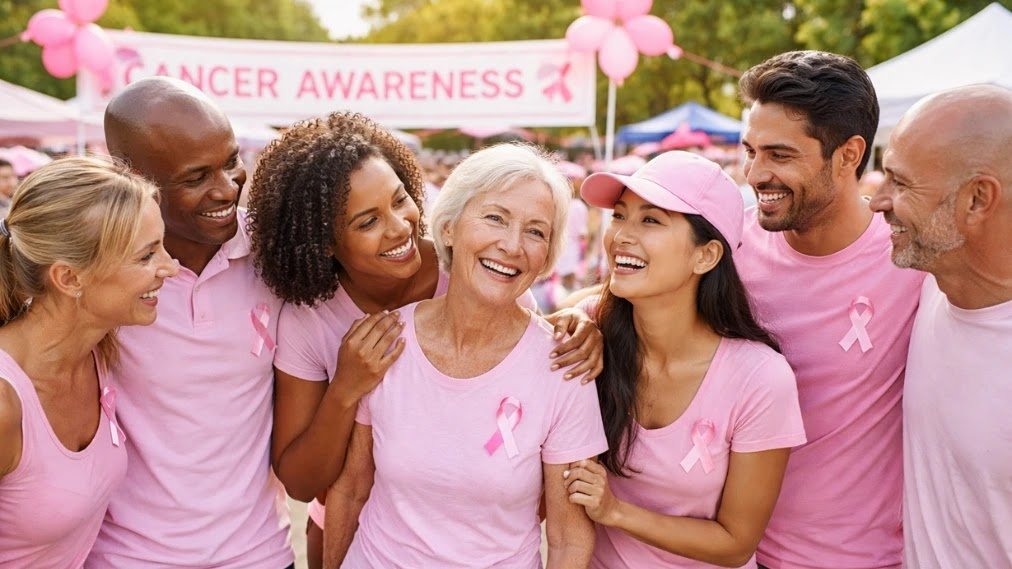
Discover World Cancer Day 2026 insights on cancer prevention, early detection, and survivor support. Learn what you need to know to protect your health and support others.

Introduction: Why This Day Matters More Than Ever
February 4th. It’s just another date on the calendar unless you know what it represents. World Cancer Day isn’t about doom and gloom—it’s about something far more powerful: awareness, hope, and the everyday choices we make to protect ourselves and those we love.
I’ll be honest with you. When cancer touches your life, suddenly all those complicated health conversations become crystal clear. Whether it’s a family member who got the news, a friend starting treatment, or your own health journey—it changes how you see everything. That’s what World Cancer Day 2026 is really about: turning awareness into action.
This year’s theme, “United by Unique,” celebrates the fact that cancer affects us all differently. No two stories are identical. No two prevention plans are the same. And that’s exactly why understanding cancer—not just fearing it—is your superpower.
What Exactly Is World Cancer Day?
Let me break this down simply. World Cancer Day is observed on February 4th every single year, and it’s led by the Union for International Cancer Control (UICC). It’s not a day to be sad. It’s a day for action.
Think of it as a global reminder that cancer doesn’t wait for an invitation. It doesn’t care about your age, your fitness level, or how many salads you eat. But here’s the thing: neither does our ability to prevent it, detect it early, and survive it.
The numbers are sobering but also hopeful. Over 20 million new cancer cases are diagnosed globally every year. But—and this is crucial—cancer survival rates have improved dramatically over the last two decades. That’s not luck. That’s science, awareness, and people making informed decisions.
World Cancer Day 2026 continues this mission: raising cancer awareness worldwide, reducing stigma, and pushing for better prevention, detection, and treatment.
The Real Talk: What Causes Cancer?
Before we talk prevention, let’s understand the enemy. Cancer causes aren’t mysterious or random. Most of them are things you actually have some control over.
Here are the major culprits:
Lifestyle Factors:
- Tobacco and smoking – The number one preventable cause. Seriously, if you smoke, quitting is the single biggest health gift you can give yourself.
- Excessive alcohol – Increases risk for several cancer types. The key word is “excessive.” One glass of wine isn’t the same as a bottle a night.
- Poor diet – Processed foods, red meat, and sugar don’t directly “cause” cancer, but they do increase inflammation and excess weight, both risk factors.
- Physical inactivity – Your body needs to move. Sedentary lifestyles contribute to obesity and multiple cancer risks.
- Obesity – Excess weight affects hormone levels and increases inflammation. This one’s modifiable.
Environmental & Biological Factors:
- Sun exposure – UV radiation is a real threat. Sunscreen isn’t optional; it’s essential.
- Infections – HPV, hepatitis B and C, and H. pylori bacteria can increase certain cancer risks.
- Family history – If cancer runs in your family, genetic screening might be worth discussing with your doctor.
- Age – Cancer risk increases as we age. It’s not fair, but it’s biology.
The empowering part? Most of these you can influence. You can quit smoking. You can eat better. You can move your body. You can protect yourself from the sun.
Cancer Prevention: What Actually Works

Let’s talk about something that people get wrong constantly: cancer prevention. Everyone expects a magic pill. There isn’t one. But there is something better—practical, science-backed strategies that actually reduce your risk.
The Evidence-Based Prevention Framework
Diet Matters (But It’s Not Magic)
A balanced diet rich in whole grains, vegetables, fruits, and legumes has repeatedly shown to reduce cancer risk. The Mediterranean diet, in particular, keeps showing up in research as protective. The reason? It’s anti-inflammatory.
What does this actually look like? More plants. Fewer processed foods. Less red meat. That’s it.
Exercise Is Non-Negotiable
I’m not talking about becoming a CrossFit enthusiast. The research is clear: 150 minutes of moderate activity per week reduces cancer risk by 15-30% depending on the cancer type. Walking counts. Swimming counts. Yoga counts.
Your Weight Matters
Excess weight increases risk for breast, colon, endometrial, and pancreatic cancers. This isn’t about vanity—it’s about hormones, inflammation, and how your body processes energy.
Quit the Habits That Hurt
If you smoke or drink heavily, quitting is the most powerful cancer prevention tool available. Seriously. Nothing—not supplements, not meditation, not kale—beats this.
Sun Protection Isn’t Optional
Skin cancer is the most common cancer, and it’s also the most preventable. Sunscreen, hats, and limiting peak sun hours are boring but effective.
| Prevention Strategy | Risk Reduction | Difficulty Level | Time to Benefit |
|---|---|---|---|
| Quit smoking | 50-70% | High | 1-5 years |
| Maintain healthy weight | 15-25% | Medium | 2-3 years |
| Regular exercise | 15-30% | Low | Immediate wellness benefits |
| Healthy diet | 10-20% | Medium | Ongoing |
| Sun protection | 80%+ (skin cancer) | Low | Immediate |
| Limit alcohol | 10-15% | Medium | 1-2 years |
Carbamide Forte Natural Vitamin C Supplements Amla Extract With Zinc

The Power of Early Detection
Here’s something they don’t talk about enough: early cancer detection is absolutely life-changing.
Consider this: when colon cancer is caught in Stage 1, survival rates exceed 90%. When caught in Stage 4, they drop dramatically. The difference? Screening.
What You Need to Know About Screening
Breast Cancer: Women should discuss screening options starting in their 40s-50s. Mammograms, ultrasounds, and MRI options exist depending on risk factors.
Cervical Cancer: Pap smears have saved countless lives. Regular screening, especially if you’re HPV-positive, is essential. Preventing cervical cancer is one of our biggest success stories.
Colorectal Cancer: Colonoscopies starting at 45-50 catch precancerous polyps before they become cancer. The prep isn’t fun, but it’s worth it.
Prostate Cancer: Men over 50 (or 40 if there’s family history) should discuss prostate cancer screening with their doctor.
Lung Cancer: If you smoke or have a significant smoking history, low-dose CT screening can catch early stages.
Skin Cancer: Regular skin checks, either self-exams or dermatologist visits, catch melanoma when it’s still curable.
The truth? Early cancer detection isn’t about being paranoid. It’s about being proactive.
What Happens If You Get the Diagnosis?
Let’s talk about the conversation that changes everything: hearing “you have cancer.”
First: it’s okay to fall apart. Then: you need information.
Modern Cancer Treatment Options
Chemotherapy has evolved dramatically. Yes, chemotherapy side effects are real, but they’re increasingly manageable. Anti-nausea medications, supportive care, and targeted approaches have transformed the experience.
Radiation Therapy Cancer uses high-energy beams to destroy cancer cells while trying to preserve surrounding tissue. It’s precise, it’s often outpatient, and newer machines are incredibly sophisticated.
The real game-changer? Immunotherapy Cancer and Targeted Therapy Cancer work differently than traditional treatments. Instead of carpet-bombing your whole body, they teach your immune system to recognize and attack cancer cells specifically. Precision Medicine Cancer is personalizing treatment to your specific tumor’s genetics.
Surgery, Hormone Therapy, and Combination Approaches
Different cancers require different strategies. A breast cancer treatment plan might combine surgery, radiation, hormonal therapy, and chemotherapy. A thyroid cancer might need surgery and radioactive iodine. The key is that your treatment is tailored to your specific situation.
Managing Treatment Side Effects
Yes, cancer treatment has side effects. But knowledge is power. Talk to your medical team about:
- Nutrition support (a registered dietitian can help)
- Exercise for cancer patients (movement helps with fatigue and mental health)
- Strong mental health support comes from professional therapy and peer support groups.
- Yoga for cancer patients (gentle movement supports recovery)
The Survivor’s Journey: It Doesn’t End at “Remission”
Here’s what surprised me about cancer survivor stories: the emotional journey often takes longer than the medical one.
Being a cancer survivor is weird. You’re grateful to be alive, but you’re also changed. There’s anxiety at follow-up appointments. There’s gratitude that catches you off guard at random moments. There’s a different relationship with your body.
Life After Cancer
Nutritional support for cancer patients becomes long-term—not just during treatment, but for years afterward. Many survivors find that the diet changes they made during treatment actually become permanent healthy habits.
Holistic cancer support includes:
- Regular physical activity
- Mental health counseling
- Support groups (in-person or online)
- Complementary therapies (acupuncture, meditation, massage)
- Reproductive health discussions
- Preventing second cancers
Cancer Wellness isn’t about “beating” cancer. It’s about integrating the experience and building a life that honors what you’ve been through while not being defined by it.
How You Can Support Someone With Cancer
If someone you love has cancer, here’s what actually helps:
What TO Do:
- Listen without trying to fix everything
- Bring meals or offer specific help (“Can I grocery shop Tuesday?”)
- Accompany them to treatments if they want company
- Research their specific cancer type so you understand their journey
- Remember them after treatment ends (support doesn’t have to stop)
What NOT to Do:
- Don’t share horror stories about someone else’s cancer
- Don’t offer unsolicited advice or alternative treatments
- Don’t act like it’s not that serious
- Don’t disappear when things get hard
Cancer Support isn’t complicated. It’s just showing up and caring.
Taking Action Today: Your World Cancer Day To-Do List
February 4th passes whether we acknowledge it or not. But World Cancer Day 2026 is your reminder to take these steps:
For Everyone:
- Schedule any overdue screenings (that colonoscopy, mammogram, etc.)
- Pick one prevention habit to strengthen this month (more veggies, more walking, quit smoking)
- Learn your family’s cancer history
- Share this information with someone you care about
For Those With Cancer History:
- Schedule follow-up appointments
- Join a support community (many are online and anonymous)
- Talk to your doctor about nutrition for cancer patients guidance
- Consider genetic counseling if you have multiple family cases
For Everyone Who Cares:
- Donate to a cancer research organization
- Volunteer for a cancer walk or fundraiser
- Support a friend or family member going through treatment
- Become a cancer awareness advocate in your own circles
The Complete Anti-Inflammatory Diet for Beginners

The Bottom Line: Cancer Is Preventable, Treatable, and Survivable
I know I started by saying this wasn’t about doom and gloom, but let me be clear about the real message: cancer is not a death sentence. Not anymore.
Is it serious? Absolutely. Does it deserve our attention and awareness? Without question. But millions of people live full lives after cancer. Millions prevent it entirely through informed choices. And every year, more people survive.
World Cancer Day 2026 isn’t about fear. It’s about power—the power of knowledge, the power of prevention, the power of community, and the power of hope.
Your health is your responsibility and your right. Take it seriously. Get screened. Begin implementing the changes you know are right for you. Support others. And remember: you’re not alone in this.
Keep Learning & Stay Connected
Want to dive deeper? Resources like the UICC World Cancer Day official website, your local cancer center, and organizations like the American Cancer Society have endless information. Your doctor is your best resource for personalized guidance.
World Cancer Day 2026 isn’t just about one day—it’s about building awareness and habits that protect us all.
Authority Bio:
Hi, I’m MACHHINDRA Jadhav — a passionate Health Content Writer with 4+ years of experience in the health and wellness space. I specialize in breaking down complex topics like Disease & Conditions, Fitness, Mental Health, and Nutrition into simple, practical advice you can actually use in your daily life.
My goal is not just to inform, but to empower you to take control of your health naturally and confidently. Every article I write is backed by research, real insights, and a deep commitment to helping people live healthier, stronger, and more balanced lives.
If you’re looking for clear, honest, and actionable health guidance — you’re in the right place.
References
- National Institute of Diabetes and Digestive and Kidney Diseases (NIDDK)
- Mayo Clinic
- World Health Organization (WHO)