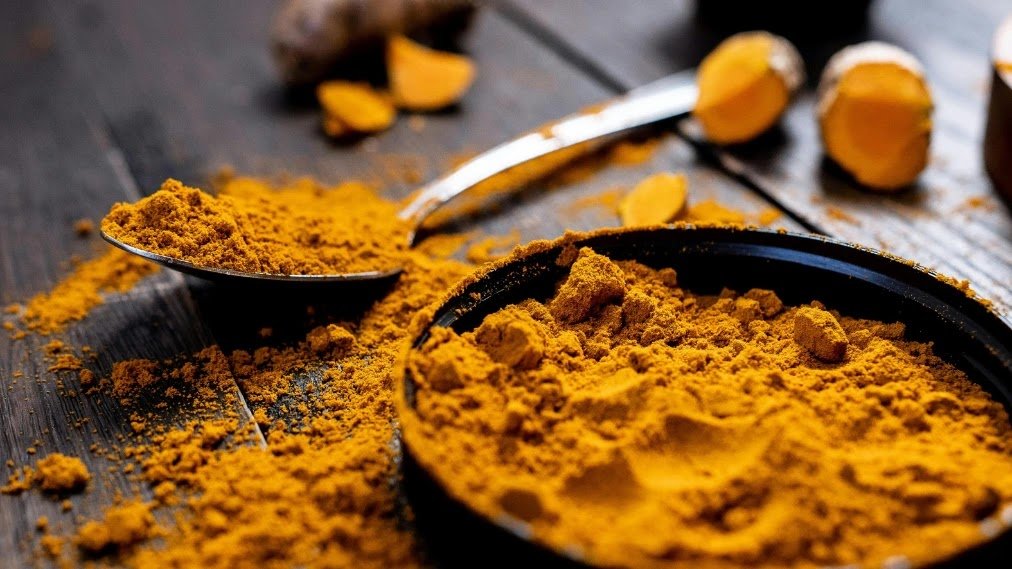
Discover if Triphala churna helps diabetes management. Learn about benefits, dosage, blood sugar control, and how to use it safely alongside your diabetes care.

Introduction: An Ancient Remedy Meets Modern Diabetes
If you’ve been scrolling through natural health forums or chatting with an Ayurvedic practitioner, you’ve probably heard someone mention Triphala. It’s been part of Ayurvedic medicine for thousands of years, and lately, people with diabetes are asking: Can this ancient powder actually help me control my blood sugar?
Here’s the honest answer: it might help, but it’s complicated.
Triphala isn’t some miracle cure that’ll let you toss your insulin or metformin into the trash. That’s not how any of this works. But emerging research does suggest that Triphala churna shows some genuinely promising anti-diabetic effects—enough that it’s worth understanding what the science actually says, how it works in your body, and whether it could become a useful complement to your diabetes management plan.
The problem? Most conversations about Triphala and diabetes swing to extremes. Either people hype it as a natural cure-all, or they dismiss it entirely because “it’s just Ayurveda.” Neither is accurate. The truth is more nuanced, more interesting, and actually much more useful.
Let me walk you through what we know about Triphala for diabetes, what we’re still figuring out, and—most importantly—how to use it safely if you decide to try it.
What Exactly Is Triphala Churna?
Before we talk about diabetes, let’s clarify what Triphala actually is. The name literally means “three fruits” in Sanskrit, and that’s exactly what you get:
- Indian gooseberry (Amalaki) contains high levels of vitamin C and protective antioxidants.
- Haritaki (chebulic myrobalan): Traditionally used for digestion and detoxification
- Bibhitaki (beleric myrobalan): Known for supporting respiratory and digestive health
These three fruits are dried, powdered, and combined into what’s called churna—basically a traditional herbal powder. In Ayurveda, this combination has been used for centuries as a general wellness tonic, digestive aid, and liver supporter.
The modern question is: do any of these properties actually translate to help with diabetes?
How Does Triphala Work for Diabetes? The Science Behind the Powder
This is where it gets interesting. Triphala doesn’t work through a single mechanism. Instead, it appears to support blood sugar control through multiple pathways:
Improving Insulin Sensitivity
Your body’s ability to use insulin effectively matters as much as how much insulin you produce. Research suggests that compounds in Triphala, particularly polyphenols and tannins, may help your cells respond better to insulin. Think of it like improving your car’s engine efficiency rather than just adding more fuel.
Antioxidant and Anti-inflammatory Effects
Chronic inflammation and oxidative stress are underlying issues in type 2 diabetes. Triphala is loaded with antioxidants (especially from Amalaki’s vitamin C and ellagitannins). These compounds help reduce the cellular damage that drives insulin resistance and high blood sugar.
Supporting Digestive Function
This might sound unrelated, but your digestion significantly impacts blood sugar control. Triphala has mild laxative properties that support healthy digestion and may help regulate how quickly nutrients (and glucose) enter your bloodstream. Better digestion = more stable blood sugar swings.
Modulating Gut Bacteria
Emerging research suggests that herbal compounds in Triphala may favorably shift your gut microbiome. A healthier gut microbiome is linked to better insulin sensitivity and glucose metabolism.
The bottom line: Triphala doesn’t work like metformin (which has one clear mechanism). Instead, it works through a combination of antioxidant, anti-inflammatory, and digestive benefits that might contribute to modest improvements in blood sugar control.
What Does the Research Actually Say?

Let’s talk evidence. This is where honesty matters.
Small clinical and animal studies have shown that Triphala churna can help with:
- Modest reductions in fasting blood sugar levels
- Slight improvements in HbA1c (your three-month average glucose)
- Weight loss (which helps insulin sensitivity)
- Cholesterol and triglyceride improvements
But—and this is important—these studies have been relatively small. We’re not talking about the large, double-blind, multi-site trials that typically drive major medical recommendations. We’re talking about promising early research that suggests Triphala might be useful as an adjunct.
Here’s what responsible researchers say: Triphala shows “promising anti-diabetic effects” but “should be used only as a complementary aid alongside standard diabetes care, not as a replacement for prescribed medication.”
That’s the honest assessment. It’s a balanced view: it could offer support, but we need stronger scientific evidence, and you should keep taking your prescribed treatment.
Is Triphala Churna Good for Diabetes? The Real Answer
So, is it good for diabetes? The answer is: it could be helpful for some people, as part of a comprehensive approach—but it’s not a primary treatment.
Think of Triphala like a helpful supporting actor in a movie. The main characters are:
- Your prescribed medications (metformin, GLP-1 agonists, insulin, etc.)
- A low-glycemic, whole-food diet
- Regular physical activity
- Good sleep and stress management
Triphala might enhance the effects of these main pillars, especially for:
- People with pre-diabetes or early type 2 diabetes
- Those looking for natural complementary support alongside medications
- Anyone wanting to optimize digestion, gut health, and overall inflammation
But it’s not a replacement for any of these foundational elements.
How Much Triphala Churna Should You Take? Dosage and Timing
This is where things get practical—and a bit tricky.
Standard Dosage
Most traditional Ayurvedic recommendations suggest ½ to 1 teaspoon (roughly 2.5–5 grams) of Triphala powder once or twice daily. The small clinical trials studying Triphala for diabetes used similar doses, typically 1,000–2,000 mg daily (which equals roughly ½ to 1 teaspoon).
Some formulations come as capsules (500–1,000 mg each), which can make dosing more precise and convenient.
Best Time to Take It
The timing question comes up a lot: Should I take it in the morning or at night? Before meals or after?
The honest answer: research hasn’t definitively established the “best” time. However, traditional Ayurvedic practice suggests:
- Morning on an empty stomach (or with warm water) for digestive and detoxification effects
- Evening before bed (mixed with warm water or milk) if you’re using it primarily for its mild laxative effect
- With meals if you have a sensitive stomach or experience loose motions
Most people find consistency matters more than timing. Pick a routine and stick with it for at least 8–12 weeks to assess any effects.
Building Up Gradually
If you’re new to Triphala, start with a smaller dose (¼ teaspoon) and gradually increase. This helps your digestive system adjust and reduces the risk of side effects like loose motions (which we’ll discuss shortly).
The Triphala Forms: Powder, Capsules, or Blended Formulas?
Walking into an Ayurvedic shop, you’ll see multiple Triphala options. Here’s how they compare:
| Form | Pros | Cons | Best For |
|---|---|---|---|
| Plain Churna (Powder) | Traditional, economical, customizable dosage | Taste can be bitter; requires measuring | Purists, flexible dosing |
| Capsules/Tablets | Convenient, pre-measured, easier to swallow | More expensive; less flexible dosing | Busy people, travel |
| Branded “Diabetes Care” Blends | Triphala + complementary herbs (Jamun, Gurmar, Karela); marketed specifically for blood sugar | May contain multiple herbs you don’t need; harder to isolate effects | Those wanting a “complete” formula |
My honest take: If you’re starting out, a simple Triphala powder from a reputable Ayurvedic pharmacy offers the best balance of cost, flexibility, and traditional use. If convenience matters more, capsules work fine. Blended formulas can work, but make sure you’re comfortable with all the ingredients and discuss them with your doctor.
Can Triphala Replace Your Diabetes Medications?
Let me be crystal clear: No. Absolutely not.
This is where I need to be blunt because this matters for your health.
Triphala might help your body manage blood sugar better. In some cases, if your blood sugar control improves significantly through Triphala plus diet and exercise, your doctor might eventually reduce your medication dosage. Your healthcare provider decides this using your lab data, not your own guess.
Stopping or reducing diabetes medications without medical supervision can lead to dangerously high blood sugar, complications, and even emergencies.
Here’s what responsible use looks like:
- Continue your prescribed medications as directed
- Add Triphala as a complementary support
- Monitor your blood sugar regularly (daily if possible)
- Share your results and any changes with your doctor at your next appointment
- Let your doctor decide if medication adjustments are appropriate based on lab values
If your doctor sees consistent improvements in your fasting glucose or HbA1c, then medication changes might be discussed. But you don’t make this decision alone.
Triphala Side Effects and Safety Concerns in Diabetes

Triphala is generally well-tolerated, but it’s not side-effect-free, especially if you have diabetes.
Common Side Effects
- Loose motions or diarrhea: This is the most frequent issue, particularly at higher doses. It usually resolves as your body adjusts. Begin with a minimal amount and adjust upward slowly.
- Mild stomach cramping: Some people experience mild digestive discomfort initially.
- Bitter taste: The powder tastes quite bitter (hence why many prefer capsules).
Important Concerns for Diabetics
Risk of Hypoglycemia (Low Blood Sugar)
If Triphala does help improve insulin sensitivity, there’s a theoretical risk that combining it with glucose-lowering medications could cause your blood sugar to drop too low. This is why monitoring is essential.
Potential Medicine Interactions: Triphala could interact with specific medications, including:
- Diabetes medications (metformin, sulfonylureas, insulin)
- Blood thinners
- Certain herbs and supplements
Always tell your doctor and pharmacist if you’re taking Triphala.
Kidney and Liver Concerns
If you have diabetic complications affecting your kidneys or liver, long-term use of concentrated herbal products should be discussed with your healthcare provider first. These organs process both Triphala and your diabetes medications.
Who Should Avoid or Be Cautious?
- Pregnant or breastfeeding women
- People with severe kidney disease or on dialysis
- Those taking anticoagulants (blood thinners)
- Anyone with a history of severe diarrhea or IBS
- People scheduled for surgery
Triphala for Related Diabetes Concerns: Weight Loss, Cholesterol, and Digestion
One of the cool things about Triphala is that it might help with multiple factors that matter in diabetes management:
Weight Loss and Metabolism
Being overweight and diabetes go hand-in-hand for many people. Triphala may support modest weight loss through:
- Better digestion and nutrient absorption
- Mild appetite regulation
- Improved gut health
Several studies suggest Triphala users experienced weight loss ranging from a few pounds to modest reductions. Combined with diet and exercise, this could have real impact.
Cholesterol and Lipid Improvements
High cholesterol is common in type 2 diabetes. Research suggests Triphala can help lower both LDL (bad) cholesterol and triglycerides while supporting HDL (good) cholesterol. This matters because cardiovascular disease risk is elevated in diabetes.
Digestive Health and Constipation
Many people with diabetes experience digestive issues. Triphala’s gentle laxative effect can help regularize digestion without the harshness of commercial laxatives. Better digestion may also contribute to more stable blood sugar by slowing glucose absorption.
How Long Does It Take to See Results?
This is the impatience question, and it’s fair: How long before my blood sugar improves?
The honest timeline:
- 1–2 weeks: You might notice improved digestion or bowel regularity
- 4–8 weeks: Early signs of blood sugar improvements might appear in home glucose monitoring
- 8–12 weeks: More noticeable effects on fasting glucose or energy levels
- 3–6 months: Clearer changes in HbA1c (though HbA1c is measured at doctor visits)
But here’s the catch: results are highly individual. Some people see measurable improvements; others notice nothing dramatic. This is why monitoring matters—you need actual data, not just how you feel.
Triphala vs. Other Ayurvedic Diabetes Herbs: How Does It Compare?
If Triphala is on your radar, you’ve probably heard of other Ayurvedic herbs for diabetes: Jamun, Gurmar, Karela, and Methi. How do they compare?
| Herb | Primary Action | Strength | Research Level |
|---|---|---|---|
| Triphala | Insulin sensitivity, antioxidants, digestion | Gentle, multi-system | Moderate evidence |
| Jamun | Direct glucose lowering | Stronger/faster effect | Moderate evidence |
| Gurmar | Reduces sugar cravings, glucose absorption | Targeted effect | Emerging evidence |
| Karela | Insulin-mimetic properties | Strong potential | Moderate evidence |
| Methi | Improved digestion, glucose control | Gentle, supportive | Good evidence |
The practical takeaway: Some herbs (like Karela) might have stronger direct effects on blood sugar, while Triphala is more of a “support all these systems” approach. Many Ayurvedic practitioners recommend combining herbs rather than using one alone. This is where professional guidance helps.
Monitoring Your Blood Sugar: The Essential Tool
Here’s something I can’t emphasize enough: if you’re using Triphala to support diabetes management, you need to monitor your blood sugar.
Not occasionally. Regularly.
Here’s why: you need data to know if Triphala is actually helping you. Your body is unique.
Monitoring Options
Home Glucometer (Blood Glucose Monitor)
- Gold standard for spot checks
- Measure fasting glucose (morning, before eating)
- Check post-meal glucose (2 hours after eating)
- Cost: $20–50 for a decent device; test strips add up
Continuous Glucose Monitors (CGMs)
- Worn on your arm; measures glucose every 5 minutes
- Shows trends and patterns
- Game-changing for understanding how foods and habits affect you
- Cost: Higher upfront but increasingly covered by insurance
Diabetes Apps
- Apps like mySugr or HealthifyMe let you log sugars, food, medication, and add notes like “started Triphala”
- Over time, patterns emerge
- Easy to share data with your doctor
Lab Tests (HbA1c)
- Measured by your doctor every 3–6 months
- Measures your long-term blood sugar control from the last three months.
- Best way to track long-term progress
If Triphala is genuinely helping, your monitoring data will show it. If it’s not, you’ll know that too—and you can adjust accordingly.
How to Use Triphala Safely: A Practical Action Plan
If you’ve read this far and you’re thinking, “Okay, I’m interested in trying Triphala,” here’s how to do it responsibly:
Step 1: Talk to Your Doctor or Diabetes Educator
Before starting, mention it to your healthcare provider. Show them this article if helpful. They need to know because:
- They can advise on drug interactions with your specific medications
- They can establish a monitoring baseline
- They can watch for any negative effects at your follow-up visits
Step 2: Source a Quality Product
Buy from reputable sources:
- Established Ayurvedic pharmacies or brands
- Products that mention GMP (Good Manufacturing Practice) certification
- Ideally, brands that test for heavy metals and contaminants
- Avoid the cheapest option; quality matters for herbs
Step 3: Start Small and Track Everything
- Begin with ¼ teaspoon of powder (or 1 capsule) daily
- Take it at the same time each day
- Keep a simple log: dose, timing, any changes in digestion, energy, or how you feel
- Note your blood sugar readings
Step 4: Increase Gradually
After 1–2 weeks of no adverse effects, increase to ½ teaspoon. After another 1–2 weeks, move to the full ½–1 teaspoon dose.
Step 5: Monitor Blood Sugar Regularly
- Check fasting glucose at least 3 times per week
- Log results
- Provide them to your doctor when you see them next.
Step 6: Reassess After 12 Weeks
After 3 months, discuss results with your doctor:
- Has fasting glucose improved?
- Any side effects or concerns?
- Should you continue, adjust the dose, or stop?
- Are your other diabetes interventions (diet, movement, medications) still optimal?
Step 7: Don’t Abandon Other Strategies
Remember: Triphala is complementary. Keep prioritizing:
- A low-glycemic, whole-food diet
- Regular physical activity
- Consistent sleep
- Stress management
- Your prescribed medications
Frequently Asked Questions About Triphala and Diabetes
Q: Can I take Triphala if I’m on metformin or insulin?
A: Possibly, but discuss it with your doctor first. There’s a theoretical risk of low blood sugar if Triphala improves insulin sensitivity while you’re on medications that lower blood sugar. Your doctor might recommend blood sugar monitoring or dose adjustments.
Q: Will Triphala definitely help my blood sugar?
A: Not necessarily. Research shows it might help some people, but results are individual. Only monitoring will tell you if it helps you.
Q: Is Triphala safe for diabetics with kidney or liver disease?
A: This is a question for your doctor or nephrologist. Long-term use of concentrated herbal products in people with kidney/liver complications requires professional assessment.
Q: How much should I spend on Triphala?
A: Quality Triphala powder costs $5–15 for a month’s supply. Capsules run $10–25. If someone’s asking $50+ for basic Triphala, look elsewhere. Fancy marketing doesn’t equal better results.
Q: Can I use Triphala if I’m pre-diabetic?
A: Potentially—this might actually be when it’s most useful, alongside diet and lifestyle changes. Discuss with your doctor.
Q: What if I experience diarrhea?
A: Reduce the dose to ¼ teaspoon and increase more slowly. If symptoms do not go away, stop taking it and consult your doctor.
Q: Is one Triphala brand better than another for diabetes?
A: Research hasn’t compared brands. Reputable Ayurvedic brands (Patanjali, Baidyanath, Himalaya, etc.) are similar in basic composition. Focus on GMP certification and personal tolerance rather than brand hype.
Q: Can I take Triphala long-term?
A: Traditionally, yes—Triphala is considered a long-term wellness tonic. But for diabetes specifically, periodic check-ins with your doctor make sense, especially if you have complications.
Q: If Triphala helps and my sugars improve, can I reduce my medications?
A: Only your doctor can make this decision based on lab values. Don’t self-adjust medications.
The Real Bottom Line: Is Triphala Churna Good for Diabetes?
Here’s my honest summary after breaking all this down:
Triphala churna shows promise as a complementary tool for diabetes management. The research is genuinely encouraging, not just hype. It has a reasonable safety profile and a long traditional track record.
But—and this is a big but—it’s not a replacement for standard diabetes care. It’s not a cure. It’s not a magic powder.
What it might be is:
- A gentle addition to your overall diabetes strategy
- A way to support digestion, weight, and cholesterol alongside diet and exercise
- A tool that, combined with everything else, could contribute to modest improvements in blood sugar control
The key to success is:
- Professional guidance (don’t go rogue)
- Realistic expectations (incremental improvements, not dramatic changes)
- Regular monitoring (track your actual results)
- Integration with proven strategies (diet, movement, medications, sleep, stress)
If you’re considering Triphala, the next step is a conversation with your doctor. Show them your interest, discuss your specific diabetes situation, and create a monitoring plan. Then, if it makes sense, try it with intention and attention to your actual results.
Your diabetes deserves an approach that combines ancient wisdom and modern medicine, traditional herbs and scientific monitoring, complementary support and proven foundations.
Triphala might be part of that equation for you. The way to find out is through informed, careful experimentation—not blind hope or skeptical dismissal.
Start the conversation with your doctor this week. Your blood sugar will thank you.
Key Takeaways
✓ Triphala shows modest promise for supporting blood sugar control through improved insulin sensitivity, digestion, and antioxidant effects
✓ Use it as a complement to—never a replacement for—your prescribed medications and lifestyle changes
✓ Standard dosage: ½ to 1 teaspoon daily, started gradually and monitored for effects
✓ Monitor your blood sugar regularly to track whether Triphala actually helps your specific situation
✓ Always discuss with your doctor before starting, especially if you take blood sugar medications
✓ Realistic timeline: 8–12 weeks to notice meaningful changes; 3–6 months for HbA1c differences
✓ Side effects (loose motions, mild digestive discomfort) usually resolve with dose adjustment
✓ Quality matters: source from reputable Ayurvedic pharmacies, prioritize GMP certification
Authority Bio:
Hi, I’m MACHHINDRA Jadhav — a passionate Health Content Writer with 4+ years of experience in the health and wellness space. I specialize in breaking down complex topics like Disease & Conditions, Fitness, Mental Health, and Nutrition into simple, practical advice you can actually use in your daily life.
My goal is not just to inform, but to empower you to take control of your health naturally and confidently. Every article I write is backed by research, real insights, and a deep commitment to helping people live healthier, stronger, and more balanced lives.
If you’re looking for clear, honest, and actionable health guidance — you’re in the right place.
References
- National Institute of Diabetes and Digestive and Kidney Diseases (NIDDK)
- Mayo Clinic
- World Health Organization (WHO)
“This article is for educational purpose. Always consult your doctor.”