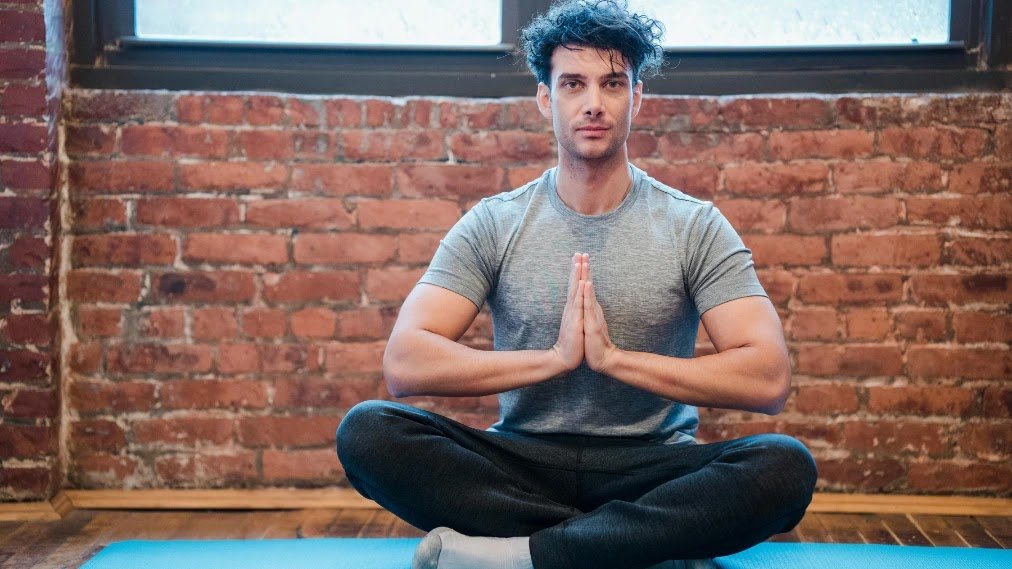
Discover how exercise improves mental health through science-backed benefits. Learn the best workouts for depression, anxiety & stress relief today.

Introduction
Look, I get it. When you’re dealing with anxiety, depression, or just feeling mentally drained, the last thing you want to hear is “just go for a run.” It sounds dismissive, right? Like some oversimplified solution to complex problems. But here’s the thing—and I say this with both personal experience and a mountain of research backing me up—exercise really does transform mental health in ways that might surprise you.
I’m not talking about becoming a gym rat or training for marathons (though hey, if that’s your thing, more power to you). I’m talking about understanding how physical activity literally rewires your brain chemistry, and how even modest movement can be a game-changer for your emotional well-being.
So let’s dive into this properly—no wellness-guru fluff, just the real deal on how exercise improves mental health and what that actually means for you.
Does Exercise Really Improve Mental Health? (Let’s Get Scientific)

Short answer: absolutely. Long answer: it’s more fascinating than you might think.
When you exercise, your body doesn’t just burn calories—it becomes a pharmaceutical factory. Your brain starts pumping out endorphins, those feel-good chemicals you’ve probably heard about. But that’s just the beginning. Exercise also boosts serotonin and dopamine, two neurotransmitters that play starring roles in mood regulation and motivation.
Research shows that regular physical activity can reduce symptoms of depression and anxiety by 20-30%. That’s not a small number. We’re talking about improvements comparable to some medications, but without the side effects (unless you count feeling pleasantly tired and maybe a bit sore).
But here’s where it gets really interesting: exercise doesn’t just make you feel better temporarily. It actually promotes neuroplasticity—your brain’s ability to form new neural connections. Consider it as giving your brain’s operating system an upgrade. Over time, consistent exercise can improve your stress response, enhance emotional resilience, and even protect against cognitive decline.
💡 Quick Science Fact: A single workout increases blood flow to the brain by up to 50%, delivering more oxygen and nutrients to brain cells. That’s why you often feel sharper and more focused after exercise.
What Types of Exercise Are Best for Depression?

Alright, so you’re convinced exercise helps. But which kind? Do you need to become a CrossFit devotee or can a gentle walk do the trick?
The truth is, the best exercise for depression is the one you’ll actually do. I know that sounds like a cop-out, but consistency beats intensity when it comes to mental health benefits.
That said, research does show that aerobic exercises—think running, swimming, cycling, or even brisk walking—tend to have the most robust evidence for alleviating depression symptoms. These activities get your heart rate up and flood your system with those mood-boosting chemicals we talked about.
But don’t sleep on strength training. Lifting weights or doing bodyweight exercises can be incredibly empowering, literally and metaphorically. There’s something profoundly therapeutic about getting physically stronger while working through mental challenges.
And let’s not forget yoga. It combines movement, breathing, and mindfulness—a triple threat against depression. The mind-body connection in yoga helps you tune into your emotions without judgment, which is pretty powerful when you’re dealing with dark thoughts.
Top Exercise Choices for Depression Relief:
- Running or Jogging: Creates the famous “runner’s high” and provides time for reflective thinking
- Swimming: Meditative, full-body workout with low injury risk
- Cycling: Outdoor cycling adds nature exposure, doubling the mental health benefits
- Dance Classes: Social connection plus rhythmic movement—joy amplified
- Walking: Accessible, gentle, perfect for beginners or tough mental health days
- Strength Training: Builds confidence alongside muscle
- Yoga or Pilates: Combines physical movement with mental focus
How Much Exercise Do I Need for Anxiety Relief?

Here’s the good news: you don’t need to train like an Olympic athlete to see anxiety-reducing benefits. In fact, even 10 minutes of movement can trigger endorphin release and provide immediate relief.
Research suggests that 20-30 minutes of moderate exercise, done 3-5 times per week, can significantly reduce anxiety symptoms. “Moderate” means you’re working hard enough to raise your heart rate and break a light sweat, but you can still hold a conversation.
But let’s be real—when anxiety hits hard, getting out of bed feels like climbing Everest, never mind hitting the gym for 30 minutes. On those days? Give yourself permission to start small. A 5-minute walk around the block counts. A few gentle stretches in your living room count. Moving your body in any capacity sends signals to your nervous system that you’re safe, gradually dialing down that fight-or-flight response.
| Exercise Duration | Anxiety Relief Impact | Recommended Frequency |
|---|---|---|
| 5-10 minutes | Immediate mild relief | As needed, multiple times daily |
| 20-30 minutes | Significant symptom reduction | 3-5 times per week |
| 45-60 minutes | Maximum sustained benefits | 3-4 times per week |
Pro Tip: For acute anxiety episodes, try “exercise snacking”—short bursts of movement throughout the day. Even 2 minutes of jumping jacks or a quick walk can interrupt anxiety spirals.
Can Exercise Replace Therapy or Medication?
Okay, let me be crystal clear here: exercise should complement, not replace, professional mental health treatment.
Yes, studies have shown that exercise can be as effective as medication for mild to moderate depression. That’s impressive. But mental health is complex, and severe depression, anxiety disorders, or other conditions often require comprehensive treatment including therapy and sometimes medication.
Think of exercise as a powerful tool in your mental health toolkit, not the only tool. It works best alongside other interventions—therapy, medication (if prescribed), social support, proper sleep, and healthy nutrition. You wouldn’t try to build a house using only a hammer, would you?
If you’re currently on medication or in therapy, please don’t stop because you’ve started exercising. Talk to your healthcare provider about integrating physical activity into your treatment plan.
Why Does Exercise Boost Mood So Quickly?
Ever notice how you can feel better within minutes of starting a workout? That’s not your imagination—it’s pure neuroscience.
The moment you start moving, your brain increases blood flow by up to 50%. This delivers more oxygen and nutrients to brain cells, making you feel more alert. Simultaneously, your body starts releasing endorphins—those natural painkillers and mood elevators.
But the magic doesn’t stop there. Exercise also triggers the release of BDNF (Brain-Derived Neurotrophic Factor), a protein that acts like fertilizer for brain cells, promoting growth and protection of neurons. Think of it as Miracle-Gro for your brain.
Within 20-30 minutes of exercise, dopamine and serotonin levels rise, improving mood, motivation, and that sense of calm accomplishment. These effects can last for several hours post-workout, which is why many people schedule morning workouts—it sets a positive tone for the entire day.
The Exercise-Mood Timeline:
- 0-5 minutes: Increased alertness, energy boost begins
- 10-15 minutes: Endorphin release, stress reduction starts
- 20-30 minutes: Peak mood elevation, anxiety decrease
- Post-workout (1-4 hours): Sustained mood improvement, mental clarity
- Long-term (weeks-months): Improved baseline mood, better stress response
Is Yoga Effective for Mental Health Issues?

Absolutely, and here’s why yoga might be one of the most underrated mental health interventions out there.
Yoga isn’t just stretching (though flexibility is a nice bonus). It’s a comprehensive practice that combines physical movement, controlled breathing, and meditation. This trifecta targets mental health from multiple angles simultaneously.
Research shows yoga can reduce cortisol levels by up to 20%, which is huge if you’re dealing with chronic stress. The breathing exercises (pranayama) activate your parasympathetic nervous system—essentially switching your body from “fight or flight” mode to “rest and digest” mode.
What makes yoga particularly effective for anxiety is the mindfulness component. You’re forced to focus on your breath, your body, the present moment—which interrupts anxious thought patterns. It’s like pressing the reset button on your nervous system.
Plus, yoga is incredibly accessible. You don’t need fancy equipment or a gym membership. Your living room and a yoga mat (even a towel works!) are enough to get started.
Best Yoga Poses for Stress Relief:
- Child’s Pose (Balasana) – grounding and calming
- Legs-Up-The-Wall (Viparita Karani) – reduces anxiety
- Corpse Pose (Savasana) – deep relaxation
- Cat-Cow Stretch (Marjaryasana-Bitilasana) – releases tension
- Forward Fold (Uttanasana) – calms the nervous system
How Does Exercise Help with Stress and Cortisol?
Cortisol—the infamous stress hormone. It’s like that coworker who’s helpful in small doses but becomes insufferable when they overstay their welcome.
Here’s the paradox: exercise temporarily increases cortisol levels during your workout. Your body perceives physical exertion as a mild stressor. But here’s the brilliant part—regular exercise actually trains your body to manage stress more efficiently.
Over time, consistent physical activity lowers your baseline cortisol levels and improves your stress response. It’s like stress-proofing your system. When life inevitably throws curveballs, your body doesn’t overreact with the same cortisol flood.
Exercise also increases the production of norepinephrine, a chemical that helps moderate your brain’s response to stress. Essentially, you become more resilient—better able to handle whatever chaos the universe decides to throw at you.
What Are Beginner Workouts for Mental Health?

If you’re starting from zero, congratulations on taking this step. Seriously—deciding to prioritize your mental health through movement is huge.
The key for beginners is choosing low-barrier activities that don’t require special skills, expensive equipment, or intimidating gym environments.
Beginner-Friendly Mental Health Workouts:
1. Walking (15-20 minutes daily)
Start with a stroll around your neighborhood. No pressure, no performance goals. Just you, movement, and fresh air. Walking improves mental clarity and provides gentle cardiovascular benefits without overwhelming your system.
2. Gentle Yoga (10-15 minutes)
YouTube has thousands of beginner yoga videos. Focus on basic poses and breathing—flexibility will come with time. Try “Yoga with Adriene” for accessible, mental-health-focused sessions.
3. Swimming or Water Aerobics
Low-impact, easy on joints, and the water provides natural resistance. Plus, swimming pools are judgment-free zones. The rhythmic breathing in swimming also promotes mindfulness.
4. Bodyweight Exercises (5-10 minutes)
Simple squats, modified push-ups, planks. Start with what you can do, build from there. Even 5 squats is better than zero squats.
5. Dancing in Your Living Room
Put on music you love and move. No rules, no choreography needed. Pure joy-based movement that releases endorphins and lifts mood instantly.
Remember: On difficult mental health days, adjust your expectations. “Beginner workout” might mean walking to your mailbox. That’s okay. Movement is movement.
Does Running Reduce Symptoms of PTSD?
Emerging research suggests that running and other rhythmic bilateral exercises may help with PTSD symptoms, though this should never replace trauma-focused therapy.
The theory is that the bilateral movement patterns in running (left-right-left-right) may help process traumatic memories similarly to EMDR (Eye Movement Desensitization and Reprocessing) therapy. The repetitive motion combined with forward movement can be both grounding and symbolically powerful.
Running also provides a healthy outlet for hyperarousal—a common PTSD symptom where you feel constantly “on edge.” The physical exertion helps burn off that excess nervous energy while simultaneously releasing calming endorphins.
Many veterans and trauma survivors report that running gives them a sense of control and accomplishment, which can be profoundly healing when trauma has made you feel powerless.
Important Note: If you have PTSD, work with a trauma-informed therapist who can help you incorporate exercise safely into your recovery plan. Exercise should complement, never replace, professional trauma treatment.
Can Exercise Improve Sleep and Mental Clarity?

Absolutely, and this creates a beautiful positive feedback loop.
Exercise improves sleep quality by regulating your circadian rhythm (your internal body clock) and reducing stress hormones that interfere with sleep. Physical exhaustion from exercise also promotes deeper, more restorative sleep stages.
Better sleep, in turn, directly enhances mental clarity, focus, emotional regulation, and decision-making. You wake up with a sharper mind, better equipped to handle daily challenges without spiraling into anxiety or low mood.
It’s worth noting timing matters here. Avoid intense workouts within 2-3 hours of bedtime—they can be too stimulating. Morning or afternoon exercise tends to work best for sleep quality.
Sleep-Exercise Connection Tips:
✓ Morning workouts help regulate circadian rhythm
✓ Avoid caffeine pre-workout if exercising late
✓ Gentle stretching or yoga before bed is fine
✓ Consistency matters more than intensity for sleep benefits
✓ Track your sleep patterns to find your optimal workout timing
Making It Work: Practical Tips for Sustaining Exercise
Knowing exercise helps is one thing. Actually doing it consistently? That’s where most people struggle.
Start ridiculously small. I mean it. If your goal is to “work out five days a week,” you may be setting yourself up for disappointment. Start with “put on workout clothes twice this week” or “walk for 5 minutes three times.” Build momentum gradually.
Find what you actually enjoy. Life’s too short for workouts you hate. If running feels like torture, don’t run. Try dancing, swimming, hiking, martial arts, rock climbing—there’s a form of movement out there that won’t feel like punishment.
Make it social or solo—whatever works for you. Some people thrive with workout buddies or classes. Others need solo time. Neither is better; it’s about knowing yourself.
Monitor how you feel, not just the activities you complete. Yes, tracking workouts can be motivating. But more importantly, notice how exercise affects your mood, sleep, and anxiety levels. That connection is your real motivation.
Be kind to yourself on hard days. Some days you’ll crush it. Other days, depression wins and you stay in bed. That’s okay. Tomorrow is a new opportunity. No guilt, no shame—just compassion and another chance.
Top Products to Support Your Mental Health Exercise Journey
Investing in quality gear can remove barriers and make exercise more enjoyable. Here are evidence-backed recommendations:
For Yoga & Mindfulness:
- Manduka PRO Yoga Mat – Extra-thick cushioning for comfortable practice
- Alo Yoga Warrior Mat – Eco-friendly with superior grip
- Lululemon Align Yoga Pants – Comfortable for extended sessions
For Tracking Progress:
- Fitbit Charge 6 – Monitors heart rate, sleep, stress levels
- Whoop 4.0 Fitness Band – Tracks recovery for optimal training
- Garmin Forerunner 265 – GPS tracking with mental wellness metrics
For Running & Walking:
- Nike React Running Shoes – Cushioned support prevents injury
- Adidas Ultraboost Shoes – Energy return for energizing walks
For Home Workouts:
- Bowflex SelectTech Dumbbells – Adjustable for progressive training
- TRX Home2 Suspension Trainer – Full-body bodyweight exercises
- Under Armour Resistance Bands – Versatile strength training
For Recovery:
- Theragun Mini Massage Gun – Post-workout muscle relief
- OOFOS Recovery Sandals – Reduces fatigue after exercise
- Acupressure Mat Set – Promotes relaxation and recovery
The Bottom Line
Exercise isn’t a magic bullet, but it’s pretty damn close when it comes to mental health. The science is clear: regular physical activity can significantly reduce symptoms of depression, anxiety, and stress while improving sleep, focus, and overall emotional resilience.
The best part? You don’t need expensive equipment, gym memberships, or hours of free time. Even modest amounts of movement—a 15-minute walk, gentle yoga, dancing in your kitchen—can trigger meaningful benefits.
So if you’re struggling with your mental health, consider adding movement to your toolkit. Start small, be patient with yourself, and remember that consistency trumps intensity every time.
Your mind and body aren’t separate entities—they’re intimately connected. When you move your body, you’re also moving your mind toward a healthier, more balanced state. And honestly? That’s pretty powerful.
Ready to Start Your Journey?
What’s one small movement you can commit to today? Whether it’s a 5-minute walk, three yoga poses, or dancing to one song, start where you are. Your mental health will thank you.
Remember: You don’t have to be great to start, but you have to start to be great.
Authority Bio:
Hi, I’m MACHHINDRA Jadhav — a passionate Health Content Writer with 4+ years of experience in the health and wellness space. I specialize in breaking down complex topics like Disease & Conditions, Fitness, Mental Health, and Nutrition into simple, practical advice you can actually use in your daily life.
My goal is not just to inform, but to empower you to take control of your health naturally and confidently. Every article I write is backed by research, real insights, and a deep commitment to helping people live healthier, stronger, and more balanced lives.
If you’re looking for clear, honest, and actionable health guidance — you’re in the right place.
References
- National Institute of Diabetes and Digestive and Kidney Diseases (NIDDK)
- Mayo Clinic
- World Health Organization (WHO)
Disclaimer
This article is for informational purposes only and should not replace professional medical advice. If you’re experiencing severe mental health symptoms, please consult a qualified healthcare provider or mental health professional. Exercise should complement, not replace, professional treatment for mental health conditions.
Have you experienced mental health benefits from exercise? Share your story in the comments below and let’s support each other on this journey!
“This article is for educational purpose. Always consult your doctor.”