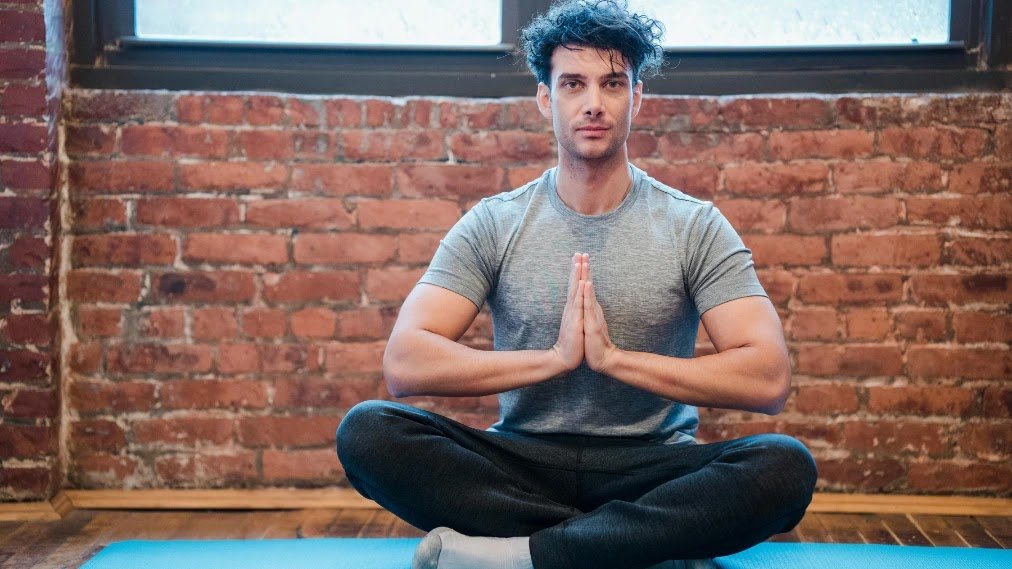
Discover simple 5 minute mindfulness exercises for morning routine that reduce stress and boost focus. Learn breathing techniques, meditation practices, and realistic habits that actually stick—even with just 5 minutes.

You know that feeling when your alarm goes off and you immediately reach for your phone, scroll through notifications, and before you’ve even left bed, you’re already stressed about the day ahead? Yeah, me too. For years, I started every morning in reactive mode—letting emails, news alerts, and social media hijack my attention before I’d even had a chance to figure out what I wanted from the day.
Then I discovered something that changed everything: mindfulness exercises for morning routine. And no, I’m not talking about some elaborate hour-long ritual that requires you to wake up at 4 AM and sit cross-legged on a mountaintop. I’m talking about simple, practical exercises that take as little as five minutes but completely transform how you move through your day.
Here’s the thing about morning mindfulness—it’s not about perfection. It’s about creating a small pocket of intentional calm before the chaos begins. Whether you’re a busy professional rushing to work, a parent juggling kids and schedules, or a student trying to stay focused, a mindful morning routine can be your secret weapon for reducing stress and anxiety while boosting focus and emotional balance.
So let’s dive into how you can build a morning mindfulness practice that actually sticks—because lord knows we’ve all tried and abandoned enough wellness trends to fill a landfill.
What Exactly Are Morning Mindfulness Exercises?
Before we get into the how-to, let’s clear up what we’re actually talking about here. Morning mindfulness exercises are short, deliberate practices that help you become present and aware at the start of your day. Think of them as a mental reset button—a way to pause, breathe, and set an intention before the world starts making demands on your attention.
Typically, a morning mindfulness routine combines several elements: breathing exercises, gentle movement (like stretching or yoga), body scans, gratitude practices, and intention setting. The beauty is that you can mix and match these based on what you have time for and what resonates with you.
The goal isn’t to empty your mind completely (good luck with that) or achieve some zen state of perfection. It’s simply to start your day from a place of awareness rather than autopilot. And honestly? That shift alone can be game-changing.
Can You Really Do Effective Morning Mindfulness in Just 5 Minutes?
Let’s address the elephant in the room: time. I know you’re busy. We’re all busy. The idea of adding another thing to your morning routine might feel overwhelming. But here’s the good news—5 minute mindfulness exercises for morning routine can be surprisingly effective.
Research shows that even brief mindfulness practices can measurably improve stress levels, focus, and emotional regulation throughout the day. The key is knowing what to prioritize when you’re short on time.
If you’ve only got five minutes, here’s what I’d suggest focusing on:
Start with breath. A simple breathing exercise like box breathing (inhale for 4, hold for 4, exhale for 4, hold for 4) or the 4-7-8 technique (inhale for 4, hold for 7, exhale for 8) can quickly shift your nervous system from fight-or-flight to calm-and-centered. Spend 2-3 minutes here.
Follow with a quick body scan. You can literally do this in bed before you get up. Just bring your attention to different parts of your body, noticing any tension or sensations without judgment. This takes maybe 1-2 minutes but helps you connect with your physical self.
Set an intention. Use your final minute to ask yourself: “What do I want to bring to today?” or “How do I want to feel?” This simple question-and-answer creates purposeful direction rather than letting the day happen to you.
Look, is a longer morning mindfulness practice better? Sure, if you have the time and inclination. But don’t let the perfect be the enemy of the good. Five mindful minutes beats thirty distracted ones every single time.
What Are the Best Breathing Exercises for Mornings?

Breathing exercises are the backbone of most morning meditation routines, and for good reason—they’re simple, require no equipment, and work fast. But not all breathing techniques are created equal, especially when it comes to how you want to feel in the morning.
Let me break down the top three best breathing exercises for morning mindfulness:
Box Breathing (4-4-4-4): This is your go-to for creating mental clarity and calm focus. You breathe in for a count of four, hold for four, exhale for four, and hold again for four. It’s structured, balanced, and perfect if you tend to wake up feeling anxious or scattered. I use this one when I know I have a busy day ahead and need to center myself before diving in.
4-7-8 Breathing: This technique (inhale for 4, hold for 7, exhale for 8) is fantastic if you wake up feeling groggy or still carrying tension from the night before. The extended exhale activates your parasympathetic nervous system, which basically tells your body, “Hey, we’re safe, we can relax now.” It’s surprisingly powerful for someone who wakes up with their jaw clenched or shoulders up around their ears (raises hand).
Extended Exhale (any ratio where exhale is longer than inhale): This is the simplest option and incredibly flexible. Just breathe in naturally, then make your exhale twice as long. In for 3, out for 6. In for 4, out for 8. Whatever feels comfortable. The longer exhale signals to your nervous system that everything’s okay, reducing stress hormones and setting a calmer tone for the day.
Start with whichever technique feels most accessible to you. There’s no wrong choice here—consistency matters more than perfection.
How Do I Actually Create a Mindful Morning Ritual That Sticks?
Here’s where theory meets reality. You can have all the best intentions in the world, but if your mindful morning routine isn’t realistic for your life, you’ll abandon it faster than that gym membership you bought in January.
So let me share how to start a mindful morning routine step by step in a way that actually works:
Start ridiculously small. Seriously. Don’t try to go from zero to thirty-minute meditation overnight. Begin with just one or two minutes of breathing exercises. That’s it. The goal in week one is simply to do something mindful every morning. Build from there.
Anchor it to an existing habit. This is crucial. Pair your new mindfulness practice with something you already do every morning. For example: “After I brush my teeth, I’ll do three minutes of breathing.” Or “Before I make my coffee, I’ll set an intention for the day.” This technique, called habit stacking, dramatically increases the odds you’ll stick with it.
Prepare your space the night before. If you want to do mindful morning stretches and gentle yoga sequence, roll out your mat before bed. If you’re planning to journal, leave your notebook and pen on your nightstand. Remove every possible barrier between you and the practice.
Don’t aim for every single day. This might sound counterintuitive, but perfectionism kills habits faster than anything else. Aim for five days a week. Give yourself permission to skip when life genuinely gets in the way. The goal is building a sustainable practice, not proving how disciplined you are.
Track it simply. I’m not talking about elaborate spreadsheets. Just check off days on a calendar or use a basic habit tracking app. Seeing those consecutive days builds momentum and makes you less likely to break the chain.
Should I Meditate, Journal, or Move First Thing in the Morning?
This is one of the most common questions I hear, and honestly? The answer is: it depends on you.
Different morning mindfulness exercises serve different purposes, and the best one for you depends on what you need most. Let me break it down:
Start with meditation if: You tend to wake up with racing thoughts, anxiety, or mental chatter. Seated meditation—even just five minutes—can help settle your mind and create mental space before you engage with the world. Apps like Calm or Headspace offer guided morning meditation sessions specifically designed for this purpose.
Start with journaling if: You’re someone who processes things through writing, or if you find sitting still impossible first thing in the morning. Mindful journaling as part of your morning routine could mean gratitude lists, stream-of-consciousness pages, or answering reflection prompts. The act of writing helps externalize thoughts and creates clarity.
Start with movement if: You have physical tension, feel groggy, or find seated practices boring or uncomfortable. Mindful morning stretches, a short yoga sequence, or even just mindful walking in the morning can wake up your body while keeping your attention present. Movement-based mindfulness is particularly great for people who have trouble sitting still.
The truth? There’s no universal right answer. I know people who swear by sitting meditation first and others who can’t imagine starting without movement. Experiment for a week or two with each approach and notice how you feel. Your body and mind will guide you toward what works best for you.
And here’s a pro tip: how to combine mindful movement with seated meditation in the morning can actually give you the best of both worlds. Try 3-5 minutes of gentle stretching or yoga, followed by 3-5 minutes of seated breathing or meditation. This progression naturally wakes up your body before settling into stillness.
How Can a Mindful Morning Routine Reduce Stress and Anxiety?

Let’s talk about why this actually matters. Because yes, starting your day mindfully feels nice, but the real magic is in how it ripples through the rest of your day.
When you practice mindful morning routine for anxiety and stress relief, you’re essentially training your nervous system to default to calm rather than chaos. Here’s what’s happening on a neurological level:
You interrupt the stress response before it starts. Most of us wake up and immediately activate our sympathetic nervous system (fight-or-flight) by checking our phones, thinking about our to-do lists, or worrying about the day ahead. Morning mindfulness activates your parasympathetic nervous system instead, which tells your body it’s safe to relax and focus.
You create a buffer against reactivity. When you start your day with intentional awareness, you’re more likely to respond thoughtfully to challenges rather than react emotionally. That annoying email doesn’t send you into a tailspin. That unexpected problem feels manageable rather than catastrophic.
You set the tone for the entire day. There’s something almost magical about starting with intention. When you dedicate even five minutes to presence and calm, you’re more likely to make mindful choices throughout the day—what you eat, how you interact with others, how you manage stress.
I can tell you from personal experience that the difference between days I do my morning mindfulness practice and days I skip it is stark. On mindful mornings, I feel like I’m steering the ship. On reactive mornings, I feel like I’m just trying not to drown.
What About Apps? Should I Use One or Practice on My Own?
The great app debate. Look, I’m pragmatic about this. Guided morning meditation using Calm or Headspace can be incredibly helpful, especially when you’re starting out. These apps provide structure, variety, and professional guidance—all useful when you’re building a new habit.
But here’s the thing: apps aren’t for everyone, and that’s okay.
Use an app if: You’re new to mindfulness and need guidance, you enjoy variety and want different exercises each day, or you benefit from the accountability features (streaks, reminders, progress tracking). Apps like Calm, Headspace, The Mindfulness App, and Insight Timer all offer excellent morning meditation routines and specific “start your day” collections.
Practice on your own if: You find guided voices distracting, you prefer a consistent personal ritual, or you’re experienced enough to know what works for you. Sometimes the simplest approach is best—just you, your breath, and your intention.
My suggestion? Start with an app for the first few weeks to learn different techniques and find what resonates. Then gradually transition to independent practice if that feels right. Or don’t—there’s no rule that says you have to meditate “naked” (metaphorically speaking). Use whatever tools help you maintain consistency.
What Are the Best Questions and Prompts for a Mindful Morning?
If you’re incorporating reflection or journaling into your morning mindfulness routine, having good questions or prompts can make all the difference between meaningful introspection and just staring at a blank page.
Here are some morning gratitude mindfulness questions and prompts that I find particularly powerful:
For gratitude focus:
-
What are three simple things I can feel thankful for right now?
- What’s one thing about my life that I might take for granted but actually deserves appreciation?
- Who is someone I’m grateful for, and why?
For intention setting:
- How do I want to feel today?
-
What is the one thing that would make today feel truly worthwhile?
- What quality do I want to bring to my interactions today? (Patience? Curiosity? Kindness?)
For self-awareness:
- What’s one thing I’m carrying from yesterday that I can let go of?
- What am I worried about right now, and is there anything I can do about it today?
- What does my body need from me today?
For perspective:
- If I could give my future-self-at-bedtime advice right now, what would it be?
- What would I tell a friend who was facing the day I’m facing?
You don’t need to answer all of these. Pick one that resonates on any given morning. The point isn’t to create more work for yourself—it’s to pause and check in before the day sweeps you away.
How Do I Stay Consistent With My Morning Mindfulness Habit?

Consistency is where most people struggle. You start strong, motivated by that initial inspiration, and then life happens. You sleep through your alarm once, skip a day, then another, and suddenly it’s been three weeks since you last practiced.
Here’s how to stay consistent with a morning mindfulness habit without relying on willpower alone:
Make it stupidly easy. The simpler a task is, the more likely you are to follow through with it. This means eliminating barriers. Sleep in your workout clothes if you’re doing yoga. Keep your meditation cushion in plain sight. Have your breathing exercise guide as your phone wallpaper.
Connect it to a “why” that matters. Generic goals like “I should meditate more” won’t sustain you. Understand exactly why this matters to you. Maybe it’s “I want to be more patient with my kids” or “I need to manage my anxiety better.” When the why is clear and personal, the how becomes easier.
Build in flexibility. Design a simple, minimum-effort routine for busy mornings. Maybe your ideal routine is 20 minutes, but your backup plan is 3 minutes of breathing. Having a minimum means you can maintain consistency even on chaotic days.
Find accountability. Tell someone you’re doing this. Better yet, find a friend who’ll do it with you and text each other after morning practice. Social accountability is powerful.
Celebrate small wins. Did you practice three days this week? That’s worth celebrating. Don’t focus on the days you missed—focus on the days you showed up. Positive reinforcement builds habits way better than self-criticism.
Suggested: How to Stay Consistent with Exercise
Can Mindful Morning Routines Work for Busy Parents and Professionals?

Short answer: absolutely yes. But it requires creativity and realistic expectations.
Look, I get it. If you’re a parent, your morning might involve getting kids ready, packing lunches, finding lost shoes, and preventing world war three over breakfast. If you’re a busy professional, you’re already cramming a lot into limited morning hours.
But here’s the thing about a mindful morning routine for busy professionals and parents—it doesn’t have to be a separate, additional thing. It can be seamlessly built into what you already do.
Try a mindful coffee or tea ritual as a morning practice. Instead of gulping down caffeine while checking email, actually experience making and drinking your coffee. Notice the aroma, the warmth of the mug in your hands, the first sip. Three minutes of fully present coffee drinking is a meditation.
Practice a morning body scan mindfulness exercise in bed before you get up. Literally before your feet hit the floor, spend two minutes noticing sensations in your body. This doesn’t require any extra time—you’d be lying there anyway.
Do breathing exercises during your commute (obviously not if you’re driving in traffic, but definitely on the train or while walking).
Include your kids if that’s your reality. Mindful morning routine for students and teens can be as simple as everyone taking three deep breaths together before leaving the house, or each person sharing one thing they’re grateful for during breakfast.
The point is: mindfulness doesn’t require pristine conditions or unlimited time. It requires intention. And that’s something you can bring to any morning, no matter how chaotic.
What’s the Science Behind Morning Mindfulness Benefits?
If you’re skeptical (and honestly, healthy skepticism is good), you might be wondering: does this actually work, or is it just wellness woo-woo?
The science backed benefits of a morning mindfulness routine are actually pretty compelling. Research shows that regular mindfulness practice—even brief sessions—can:
- Reduce cortisol (your primary stress hormone) levels throughout the day
- Improve attention span and cognitive focus
- Decrease symptoms of anxiety and depression
- Enhance emotional regulation (meaning you’re less likely to lose your temper or spiral into negative thoughts)
- Improve sleep quality (interesting that morning practice affects nighttime sleep, but it does)
- Strengthen your immune system response
- Increase activity in the prefrontal cortex (the part of your brain responsible for decision-making and impulse control)
Basically, when you practice mindfulness first thing in the morning, you’re setting up your brain and body to function better all day long. You’re not just feeling calmer—you’re literally changing your neurobiology in ways that support wellbeing.
And here’s what I find particularly interesting: the benefits accumulate over time. A single morning practice might help that day, but regular practice over weeks and months creates lasting changes in how your brain processes stress and emotion.
Putting It All Together: Your Customizable Morning Mindfulness Template
Okay, we’ve covered a lot. Let me give you a simple template you can customize based on your time and preferences:
The 5-Minute Minimal Routine:
- 2 minutes: Breathing exercise (box breathing or 4-7-8)
- 2 minutes: Body scan (lying down or seated)
- 1 minute: Set an intention for the day
The 10-Minute Balanced Routine:
- 3 minutes: Gentle stretching or mindful movement
- 4 minutes: Seated meditation or breathing practice
- 3 minutes: Gratitude journaling or reflection prompts
The 20-Minute Full Practice:
- 5 minutes: Mindful movement or yoga sequence
- 7 minutes: Guided or unguided meditation
- 5 minutes: Journaling (gratitude, intentions, reflections)
- 3 minutes: Mindful coffee/tea or quiet transition time
Remember, these are templates, not rules. Your perfect routine might combine elements differently. Maybe you need more movement and less sitting. Maybe you want to focus entirely on breathwork. The best morning mindfulness practice is the one you’ll actually do.
Suggested: Top 10 Benefits of Morning Yoga
The Bottom Line
Here’s what I want you to take away from this: starting your day with mindfulness exercises for morning routine doesn’t have to be complicated, time-consuming, or perfect. It just has to be intentional.
You don’t need special equipment, an expensive app subscription, or an extra hour in your morning. You need a willingness to pause, breathe, and connect with yourself before the world starts pulling you in a thousand directions.
Will every morning practice feel amazing? Nope. Some days you’ll sit down to meditate and immediately remember seventeen things you forgot to do. Some mornings you’ll be too tired or grumpy or distracted. That’s fine. That’s human. The practice isn’t about achieving some elevated state—it’s about showing up for yourself, even imperfectly.
Start small. Maybe just five minutes of breathing tomorrow morning. See how it feels. Notice what changes. Then build from there, one mindful moment at a time.
Your mornings set the tone for your days. And your days, ultimately, create your life. Seems worth five minutes, doesn’t it?
Authority Bio:
Hi, I’m MACHHINDRA Jadhav — a passionate Health Content Writer with 4+ years of experience in the health and wellness space. I specialize in breaking down complex topics like Disease & Conditions, Fitness, Mental Health, and Nutrition into simple, practical advice you can actually use in your daily life.
My goal is not just to inform, but to empower you to take control of your health naturally and confidently. Every article I write is backed by research, real insights, and a deep commitment to helping people live healthier, stronger, and more balanced lives.
If you’re looking for clear, honest, and actionable health guidance — you’re in the right place.
References
- National Institute of Diabetes and Digestive and Kidney Diseases (NIDDK)
- Mayo Clinic
- World Health Organization (WHO)
Last Update on 22/01/2026