Learn the top home strength training exercises to build muscle, increase strength, and transform your body—no gym needed. Beginner-friendly guide with proven results.

Alright, I’ll be honest with you from the very beginning. You don’t need a fancy gym membership collecting dust in your wallet. You don’t need some Instagram-perfect home gym setup that costs more than your car payment. What you do need? Your body, a bit of floor space, and the willingness to feel uncomfortable for about 30 minutes a few times a week.
I’ve watched too many people postpone their strength training journey because they think they need the “perfect” setup. Meanwhile, their bodies are quietly losing muscle mass, their metabolism is slowing down, and they’re missing out on one of the most transformative things you can do for yourself. It’s time to cut through the noise and get real about home strength training.
Here’s the beautiful truth: your living room can become your personal strength laboratory. And I’m about to show you exactly how.
What Are the Best Home Strength Training Exercises Without Equipment?
Let me paint you a picture. It’s 6 AM, you’re still in your pajamas, your coffee’s brewing, and you’re about to get stronger without touching a single dumbbell. Sounds like a fitness fairy tale, right? It’s not.
Bodyweight exercises are the original strength training, and they’ve been building powerful physiques since long before someone invented the leg press machine. Think about it—gymnasts, martial artists, and dancers have sculpted incredible bodies using primarily their own resistance.
The heavyweight champions of no-equipment strength training include:
Push-ups are your chest, shoulders, and triceps’ best friend. But forget those sad, half-hearted push-ups you did in high school gym class. I’m talking about proper form: hands shoulder-width apart, core tight like you’re about to take a punch, lowering until your chest nearly kisses the floor. Can’t do a full push-up yet? Begin on your knees or use a wall for support. Your ego might bruise, but your strength will soar.
Squats are non-negotiable. Your legs contain some of your body’s largest muscle groups, and when you work them, you’re basically telling your entire hormonal system to wake up and build muscle everywhere. Stand with feet shoulder-width apart, imagine sitting back into a chair, and drop until your thighs are parallel to the ground. Keep your chest proud, your knees tracking over your toes.
Planks might look boring, but they’re secretly turning your entire midsection into reinforced steel. Hold a straight line from head to heels for 30-60 seconds. Feel that shake? That’s weakness leaving your body—or at least that’s what I tell myself when I’m trembling like a leaf.
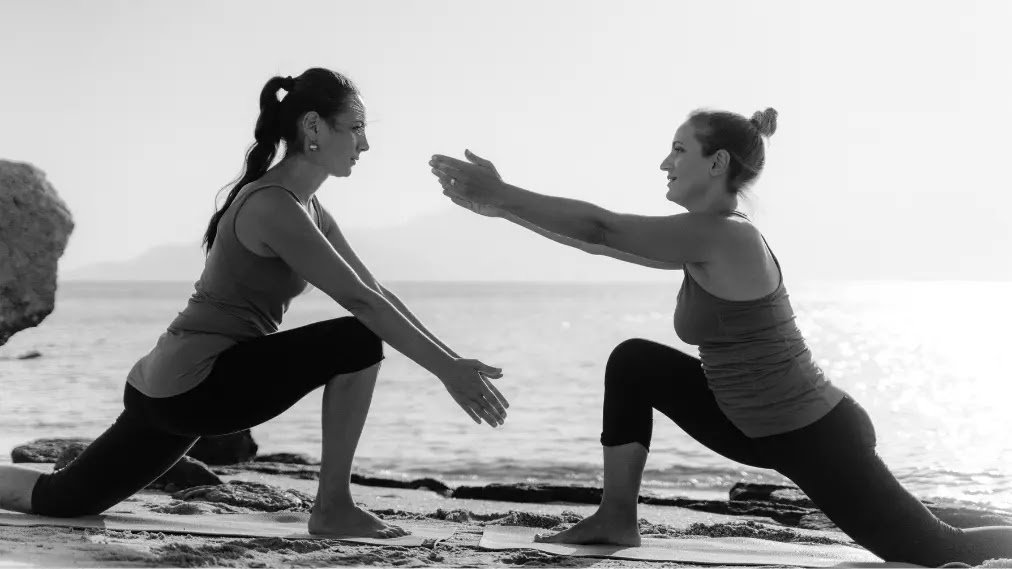
Lunges are the great equalizer. They expose every strength imbalance you’ve been ignoring and force each leg to pull its own weight. Step forward, drop your back knee toward the ground, and push back up. Simple, brutal, effective.
Mountain climbers blend cardio with core strength, getting your heart rate up while building stability. It’s like running a sprint while holding a plank—uncomfortable but devastatingly effective.
How Often Should I Do Home Strength Training Exercises for Results?
Here’s where people usually trip themselves up. They either go zero-to-hero and burn out in two weeks, or they’re so tentative that they barely make a dent in their fitness.
The sweet spot? Three to four times per week is your golden ticket. This gives your muscles enough stimulus to grow while providing adequate recovery time. Muscles don’t grow while you’re working out—they grow during rest. Working out is just you creating tiny tears in muscle fibers. The magic happens when you’re binge-watching Netflix on the couch afterward.
I recommend this weekly structure:
Monday: Upper body focus
Wednesday: Lower body and core
Friday: Full-body circuit
Sunday: Optional lighter session or active recovery
This schedule isn’t carved in stone tablets. Got a busy week? Three quality sessions beat seven half-hearted ones. Life threw you a curveball? Two solid workouts are infinitely better than zero.
The key is consistency over intensity. You’re building a habit that’ll last decades, not trying to win a transformation contest by next Tuesday.
Can Bodyweight Exercises Build Strength at Home Effectively?
Short answer: Absolutely. Long answer: Hell yes, and I can prove it.
Here’s a reality check that’ll blow your mind: U.S. Navy SEALs, British Royal Marines, and elite military units worldwide rely heavily on bodyweight training. These aren’t people who can afford to mess around with ineffective workouts. Their lives literally depend on functional strength.
The science backs this up too. Progressive overload—the golden rule of strength building—doesn’t require weights. It just requires making exercises progressively harder. Can you do 10 perfect push-ups? Great. Now try 15. Then 20. Then elevate your feet. Then try one-arm push-ups. Then add a weighted vest. See where I’m going?
Your body doesn’t know the difference between a barbell and gravity working against your own mass. It only knows tension, and bodyweight exercises create plenty of it.
Research shows that bodyweight training can increase strength by 20-30% in beginners within 8-12 weeks. Not gym-level gains, some might say. But you know what? When you’re starting from zero, a 25% strength increase is life-changing.
What Are Beginner-Friendly Home Strength Training Exercises?

Let’s get you started without destroying your confidence or your body. Beginner-friendly doesn’t mean easy—it means appropriate, scalable, and safe.
Wall Push-ups: Stand arm’s length from a wall, place your hands on it, and perform push-ups at an angle. This dramatically reduces the resistance while teaching proper form. Once you can bang out 20, move to an elevated surface like a countertop.
Chair Squats: Use a chair behind you as a safety net. Squat down until you lightly touch the seat, then stand back up. This teaches proper depth and keeps you honest about form.
Knee Planks: Drop to your knees and hold a plank position. You’re still building core strength without the full-body challenge of a regular plank.
Assisted Lunges: Hold onto a countertop or doorframe for balance as you perform lunges. As you get stronger, use less support until you’re flying solo.
Dead Bugs: Lie on your back, extend opposite arm and leg, then switch. Sounds silly, looks sillier, but it’s teaching your core to stabilize your body through movement.
The beautiful thing about these exercises? They scale infinitely. Today’s wall push-up becomes next month’s elevated pike push-up becomes next year’s handstand push-up. It’s all connected.
How to Progress Home Strength Training Exercises Over Time?
This is where most home workouts die a slow, boring death. People do the same routine for months, wonder why they’re not progressing, then quit out of frustration. Don’t be that person.
Progressive overload at home uses several clever tricks:
Increase repetitions: If you did 10 push-ups last week, aim for 11 this week. Small improvements compound dramatically over time.
Add sets: Doing 3 sets of squats? Bump it to 4, then 5. More volume equals more stimulus for growth.
Decrease rest time: Resting 90 seconds between sets? Cut it to 60. This increases workout density and builds muscular endurance.
Change leverage: Elevate your feet during push-ups. Hold dumbbells during squats. Slow down your tempo. These mechanical changes make the same movement exponentially harder.
Increase time under tension: Instead of bouncing through reps, take 3 seconds to lower, pause for 1 second at the bottom, explode up, and pause at the top. Try doing 10 push-ups this way, and you’ll discover muscles you forgot existed.
Try advanced variations: Regular push-ups become diamond push-ups, then archer push-ups, then one-arm push-ups. Every variation works your muscles in different ways.
Track everything: I can’t stress this enough. Write down your workouts. “Saying “I think I did more reps this week” is just spinning your wheels. “I did 3 sets of 15 push-ups versus last week’s 3 sets of 12” is how you build relentless momentum.
Do Dumbbell Home Strength Exercises Replace Gym Workouts?

Here’s the honest truth that fitness influencers won’t tell you because it doesn’t sell programs: for 80% of people, a solid set of adjustable dumbbells can absolutely replace a gym membership.
Dumbbells give you access to hundreds of exercises. You can train every muscle group, progressively overload for years, and build an impressive physique. The limiting factor isn’t the equipment—it’s your creativity and dedication.
Where dumbbells shine:
Isolation exercises: Want to specifically target your biceps or shoulders? Dumbbells let you zoom in with laser precision.
Progressive overload: Unlike bodyweight exercises where progression can get tricky, dumbbells offer clear, measurable increases. Add 5 pounds, get stronger.
Unilateral training: Working one side at a time exposes and fixes strength imbalances. Your dominant side can’t compensate for your weak side.
Where gym equipment has advantages:
Heavy compound lifts: Squatting 300 pounds, deadlifting 400 pounds—you need serious equipment for this. But be real: do you actually need to lift that heavy to look great and feel strong? Probably not.
Machine exercises: Sometimes machines offer unique movement patterns or safety features. But they’re bonuses, not necessities.
Ego and environment: There’s something powerful about training in a dedicated space surrounded by other motivated people. Don’t underestimate the psychological boost of a good gym environment.
My verdict? Start with dumbbells at home. If you consistently train for 6 months and feel limited, then consider a gym. Most people never reach that ceiling.
What Home Strength Training Exercises Target Full Body?
Let me introduce you to the efficiency superheroes of home workouts. Full-body exercises are your ticket to maximum results in minimum time.
Burpees: Everyone’s least favorite, most effective exercise. From standing, drop into a push-up position, do a push-up, jump your feet back to your hands, and explode upward into a jump. It hits everything—chest, shoulders, core, legs, and cardiovascular system. It’s also a character-building exercise because you’ll want to quit halfway through.
Turkish Get-ups: Hold a dumbbell or kettlebell overhead and transition from lying down to standing up while keeping the weight stable. This complex movement coordinates every muscle in your body. It’s like a full-body intelligence test.
Dumbbell Thrusters: Squat with dumbbells at shoulder height, then as you stand, press the weights overhead. This combines leg power with shoulder strength and tests your cardiovascular limits.
Renegade Rows: Assume a push-up position with hands on dumbbells. Perform a push-up, then row one dumbbell to your ribs while stabilizing with the other arm. Alternate sides. Your core will be screaming, your back will be growing, and your chest will be working overtime.
Walking Lunges with Overhead Press: Lunge forward while pressing dumbbells overhead. This challenges balance, legs, shoulders, and core simultaneously.
The beauty of full-body movements? They torch calories, build functional strength, and save time. One 30-minute full-body workout can rival an hour of isolated exercises.
Are Resistance Bands Good for Home Strength Training Exercises?

Resistance bands are the most underrated piece of fitness equipment on the planet. Fight me on this.
I’ve watched people drop hundreds on home gym equipment while completely ignoring a $20 set of bands that could transform their training. Here’s why bands deserve respect:
Constant tension: Unlike dumbbells where resistance varies through the movement, bands maintain tension throughout the entire range of motion. This means more time under tension, which translates to more muscle growth.
Joint-friendly: Bands provide smooth, progressive resistance without the jarring impact of weights. Perfect for anyone with cranky joints or coming back from injury.
Portable strength: Traveling? Throw bands in your suitcase. No hotel gym? No problem. You’re carrying a complete home gym that weighs eight ounces.
Infinite versatility: You can mimic nearly any gym exercise with the right band setup. Chest presses, rows, shoulder presses, squats, deadlifts—it’s all possible.
Perfect for pull exercises: Don’t have a pull-up bar? Bands can replicate pulling movements that are otherwise impossible without equipment.
The limitations are real though. Bands max out at a certain resistance level, so if you’re already quite strong, they might not provide enough challenge for your lower body. But for upper body work, metabolic conditioning, and accessory exercises? They’re phenomenal.
Combine bands with bodyweight exercises and dumbbells, and you’ve got a complete strength training arsenal.
How Long for Home Strength Training Exercises to Show Muscle Gains?
Let’s set realistic expectations because the fitness industry has probably lied to you. Those “8-week transformation” ads? They’re showing you genetic outliers, people coming back from injury, or clever lighting tricks.
For normal humans with normal genetics and normal lives, here’s the realistic timeline:
Weeks 1-2: You won’t see much visually, but you’ll feel stronger. This is your nervous system adapting, learning to recruit muscle fibers more efficiently. It’s called neural adaptation, and it’s the reason beginners can sometimes double their strength in their first month without gaining a pound of muscle.
Weeks 3-6: You might start noticing subtle changes. Your muscles feel firmer, your clothes fit slightly different. Close friends might mention you look more “solid.” You’re building actual muscle tissue now, though the changes are gradual.
Weeks 8-12: This is where things get real. People who haven’t seen you in a while will notice changes. Your muscles are visibly fuller, your posture is better, and you’re feeling genuinely confident in tank tops or fitted shirts.
Months 4-6: Significant transformation territory. You’ve built noticeable muscle mass, changed your body composition, and established habits that’ll last a lifetime.
Here’s the critical factor nobody talks about: diet matters as much as training. You can’t build muscle without enough protein and calories. You’re trying to construct new tissue—your body needs raw materials. Aim for 0.7-1 gram of protein per pound of body weight and eat enough calories to support growth.
Also, genetics play a role. Some people are hyper-responders who build muscle quickly. Others are more modest responders. But everyone—and I mean everyone—can build meaningful strength and muscle with consistent training.
What Common Mistakes to Avoid in Home Strength Training Exercises?
I’m going to save you months of wasted effort by calling out the mistakes I see constantly.
Mistake #1: Sacrificing form for reps. Doing 30 terrible push-ups with your hips sagging and elbows flaring doesn’t build strength—it builds bad habits and sets you up for injury. Do 10 perfect reps instead. Quality trumps quantity every single time.
Mistake #2: Not progressing. Remember that progression conversation? If you’re doing the same workout you did three months ago, you’re maintaining at best, probably regressing. Your body adapts to stimulus. Give it new challenges or watch your progress stall.
Mistake #3: Skipping warm-ups. You’re not 18 anymore. Even if you are 18, you’re not invincible. Spend 5-10 minutes doing dynamic stretches, light cardio, and activation exercises. Your joints will thank you, and you’ll actually lift better.
Mistake #4: Training through pain. There’s discomfort—that burning sensation when your muscles are working hard—and then there’s pain. Sharp pains, joint pains, pains that make you wince? Stop immediately. Pushing through actual pain is how you turn a minor issue into a major injury.
Mistake #5: Neglecting rest and recovery. More is not always better. Muscles grow during rest, not workouts. Aim for 7–9 hours of sleep, take rest days seriously, and pay attention to your body. Overtraining is real, and it’ll sabotage your progress faster than laziness will.
Mistake #6: Ignoring the big picture. You can’t out-train a terrible diet. You can’t build muscle while chronically sleep-deprived. You can’t expect results while smoking and drinking heavily. Strength training is one piece of a larger lifestyle puzzle.
Mistake #7: Comparing yourself to others. Social media has destroyed perspective. That influencer’s body is their full-time job, possibly enhanced by pharmaceuticals, and definitely filtered and posed to perfection. Your journey is your own. Compare yourself to who you were last month, not to someone else’s highlight reel.
Building Your Home Strength Training Routine
Let me give you a practical framework to actually implement all this knowledge. Here’s a beginner-friendly weekly routine:
Monday – Upper Body Day:
- Push-ups: 3 sets of 8-12 reps
- Dumbbell rows: 3 sets of 10-12 reps per side
- Dumbbell shoulder press: 3 sets of 8-10 reps
- Plank: 3 sets of 30-45 seconds
Wednesday – Lower Body & Core Day:
- Squats: 4 sets of 12-15 reps
- Lunges: 3 sets of 10 reps per leg
- Glute bridges: 3 sets of 15 reps
- Russian twists: 3 sets of 20 reps (10 per side)
Friday – Full Body Circuit:
- Burpees: 3 sets of 8-10 reps
- Dumbbell thrusters: 3 sets of 10 reps
- Do 3 sets of 20 mountain climbers, 10 reps per side.)
- Resistance band rows: 3 sets of 12-15 reps
Rest 60-90 seconds between sets. Total workout time: 30-40 minutes. As you progress, increase reps, add weight, decrease rest, or advance to harder variations.
The Equipment Worth Investing In
If you’re ready to build a minimal but effective home gym, here’s my recommended shopping list in order of priority:
- Quality adjustable dumbbells (like Bowflex SelectTech or CAP Barbell) – These will be your workhorses for years. Worth every penny.
- Resistance band set – Get a variety pack with different resistance levels. Fit Simplify makes a great affordable set.
- Pull-up bar – Doorway models like Iron Gym are perfect for most people. Upper body pulling is crucial and hard to replicate without equipment.
- Yoga mat – Protection for floor exercises and a defined workout space. BalanceFrom makes thick, durable mats.
- Adjustable weight bench – If you have space and budget, this opens up dozens more exercises.
Everything else—power towers, TRX systems, kettlebells, fancy gadgets—are bonuses, not necessities. Start with the basics, master them, then expand if you want to.
The Bottom Line: Your Power Awaits
Here’s what I need you to understand: you already have everything you need to become significantly stronger. The gap between where you are and where you want to be isn’t bridged by perfect equipment or ideal circumstances. It’s bridged by consistent action.
Start small. Pick three exercises. Do them three times this week. Write down what you did. Do slightly more next week. That’s it. That’s the formula that’s built millions of strong bodies throughout history.
Your living room, bedroom, or garage can become the birthplace of a stronger, more capable version of yourself. No commute required. No monthly fees. No judgment from gym bros. Just you, your body, and the decision to show up.
The best home strength training exercises aren’t the most complicated or the most expensive—they’re the ones you’ll actually do consistently. Everything else is noise.
Now stop reading and go do a set of push-ups. Your future stronger self is waiting, and they’re getting impatient.
Ready to transform your home into your personal strength sanctuary? Save this guide, bookmark those product recommendations, and commit to your first workout this week. Your power journey starts now—not when conditions are perfect, but when you decide they’re good enough.
Also read:
- The Most Effective Fat-Burning Exercises at Home for Beginners
- Muscle Recovery Exercise | Your Complete Guide to Faster Recovery
Authority Bio:
Hi, I’m MACHHINDRA Jadhav — a passionate Health Content Writer with 4+ years of experience in the health and wellness space. I specialize in breaking down complex topics like Disease & Conditions, Fitness, Mental Health, and Nutrition into simple, practical advice you can actually use in your daily life.
My goal is not just to inform, but to empower you to take control of your health naturally and confidently. Every article I write is backed by research, real insights, and a deep commitment to helping people live healthier, stronger, and more balanced lives.
If you’re looking for clear, honest, and actionable health guidance — you’re in the right place.
References
- National Institute of Diabetes and Digestive and Kidney Diseases (NIDDK)
- Mayo Clinic
- World Health Organization (WHO)