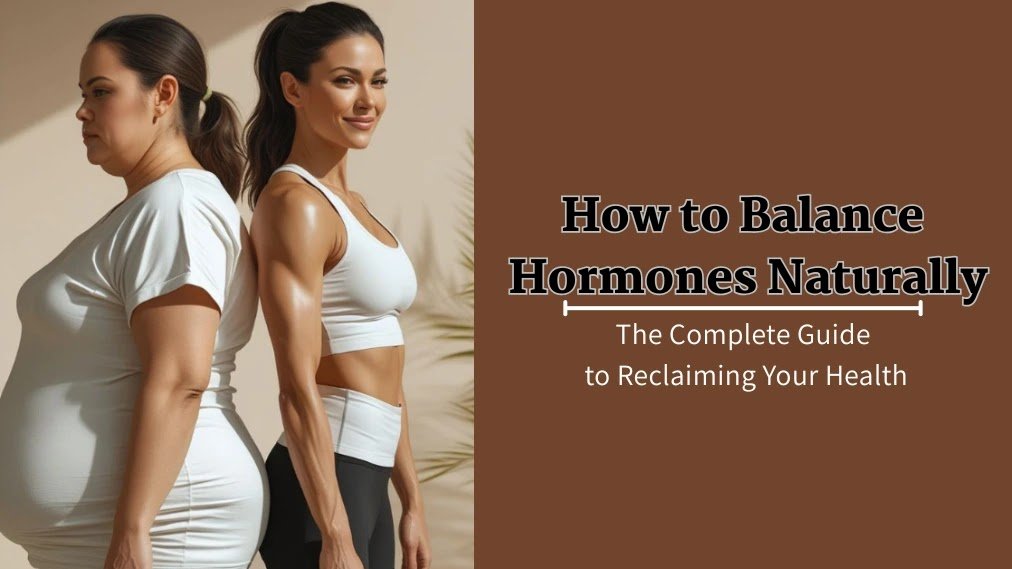
Discover proven natural ways to balance hormones at home. Learn about hormone-balancing foods, sleep, stress management, and safe supplements for women’s health.

Introduction
Let me be honest with you—your hormones are basically the CEOs of your body, making executive decisions about everything from your mood to your metabolism to whether you’ll demolish an entire pizza at 11 PM. And when they’re out of balance? It’s like having an absent CEO and a bunch of interns running the show.
I get it. Maybe you’ve noticed you’re constantly exhausted despite sleeping eight hours. Or your skin has decided to betray you. Perhaps your period is showing up like an unpredictable houseguest, your energy swings are dramatic (hello, 3 PM slump), or you’re experiencing mood swings that would make a soap opera jealous.
Here’s the thing though: balancing hormones naturally isn’t some mystical wellness trend reserved for Instagram influencers with impossibly perfect lives. It’s actually rooted in science, and it’s something you can start working on today, right from your kitchen, your bedroom, and your stress management routine.
This guide walks you through the practical, evidence-based approach to how to balance hormones naturally—whether you’re dealing with PCOS, PMS, perimenopause, or just general hormonal chaos. No prescription meds required (though don’t ditch those if your doctor prescribed them). Just solid lifestyle shifts and maybe a few supplements that actually work.
What Does Hormonal Balance Actually Mean?
Before we dive into the how-tos, let’s talk about what we’re actually trying to achieve here.
Your hormones—including cortisol, insulin, estrogen, progesterone, testosterone, and thyroid hormones—are chemical messengers. They tell your body when to eat, sleep, burn fat, build muscle, feel happy, and basically everything else that keeps you human.
When they’re balanced, you feel like yourself: steady energy, clear skin, good mood, regular periods (if applicable), solid appetite regulation, and that general sense that your body is cooperating with you.
When they’re imbalanced? That’s when things get messy. You might experience fatigue, weight gain, irregular periods, mood swings, anxiety, brain fog, or skin issues. The causes are often interconnected—stress affects cortisol, which affects sleep, which affects insulin, which affects everything else. It’s like dominoes, but with more frustration.
The good news? Many of these imbalances respond beautifully to natural ways to balance hormones through diet, lifestyle, and targeted support.
Suggested post: Low Thyroid Function Weight Gain
The Food-Hormone Connection: What You Should Actually Be Eating
Let’s start with the most immediate lever you can pull: what’s on your plate.
Foods That Help Balance Hormones Naturally

I know you’ve probably heard “eat more vegetables,” but here’s why it actually matters for hormones: certain foods actively support your endocrine system, while others actively work against it.
The hormone-balancing all-stars:
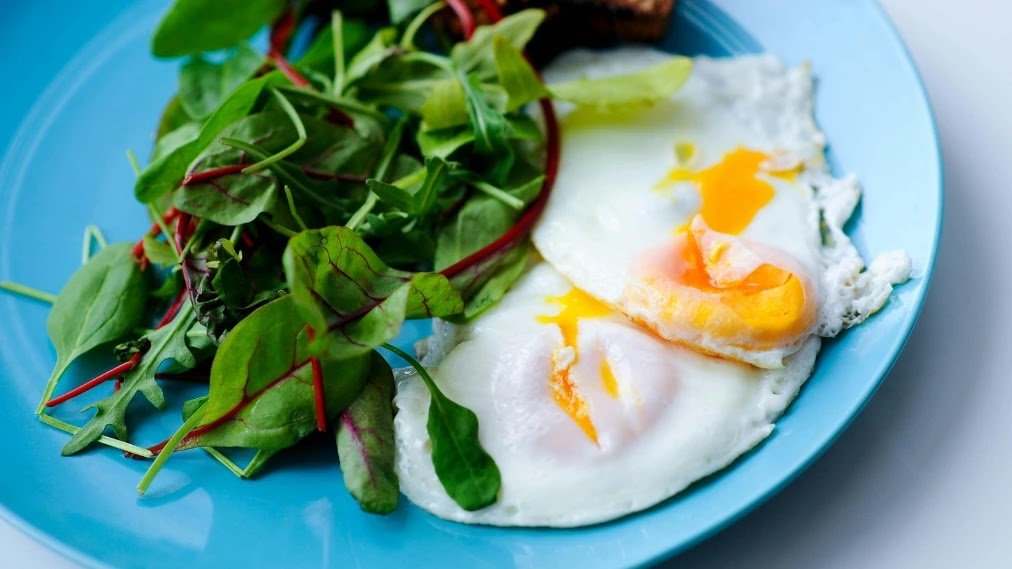
Your foundation should be a Mediterranean-style diet or anti-inflammatory meal plan. No, this isn’t a fad. Studies consistently show it supports insulin regulation, reduces inflammation, and helps your body metabolize estrogen properly. Think: lots of vegetables, whole grains, legumes, nuts, seeds, olive oil, and fatty fish like salmon.
Fiber-rich powerhouses like oats, legumes, whole grains, flax seeds, and chia seeds deserve real estate on your shopping list. Here’s why: fiber feeds your gut microbiome, which influences something called the “estrobolome”—basically, your gut bacteria help regulate estrogen levels. More fiber often means better hormone balance. Aim to work up to 25-30 grams daily (and increase slowly, unless your digestive system suddenly hates you).
Healthy fats and proteins keep hormones stable. Extra virgin olive oil, mixed nuts (almonds, walnuts), wild-caught fish, and grass-fed beef provide the building blocks your body needs to actually produce hormones. Your hormones are made from cholesterol and amino acids, so skipping fat or protein? That’s basically asking your body to build a house without supplies.
Which Foods Should You Actually Avoid?
This is where I’m going to tell you something mildly unpopular: there’s no single “hormone-killing” food for everyone, but certain foods tend to cause problems for most people dealing with hormonal imbalance.
Ultra-processed foods and refined carbs (hello, white bread, sugary cereals, packaged snacks) cause blood sugar spikes, which stress your insulin system. Insulin imbalance cascades into progesterone and cortisol problems. Basically, that afternoon donut? It’s not just affecting your energy—it’s talking to your hormones.
Excessive alcohol interferes with liver function, which is where your body does much of the work detoxifying and metabolizing hormones. Occasional wine is fine; nightly cocktails aren’t your friend.
Too much caffeine (especially before you’ve stabilized your cortisol) can stress your nervous system. I’m not saying quit coffee—I’m too much of a realist—but if you’re slamming five espressos before lunch, that’s worth examining.
Vegetable oils high in omega-6 (like canola, soybean, and sunflower oil) create inflammatory shifts when consumed in excess. Stick with olive oil, avocado oil, or coconut oil instead.
The Question Everyone Asks: Can You Really Balance Hormones with Diet Alone?
Frequently Asked: Which foods help balance hormones and which foods should I avoid?
Diet is the foundation, but it’s not the whole picture. Think of it like this: good nutrition removes obstacles and provides building blocks. But sleep, stress, and movement matter just as much. The magic happens when all of these work together.
Sleep: The Underrated Hormone Optimizer
Here’s something that surprises most people: your sleep schedule might matter more than that fancy supplement sitting in your bathroom cabinet.
How Much Sleep Do You Actually Need?

Frequently Asked: How much sleep do I need for healthy hormone balance (cortisol, insulin, estrogen, progesterone)?
The standard recommendation is 7-9 hours, but here’s the nuance: it’s not just about quantity. It’s about consistency and quality.
Your cortisol (stress hormone) naturally peaks in the morning and dips at night. When you’re sleep-deprived or running on an inconsistent schedule, cortisol stays elevated all day and into the night. This suppresses melatonin production, which messes with your circadian rhythm, which then affects insulin sensitivity, appetite hormones (leptin and ghrelin), and reproductive hormones.
It’s basically a hormonal domino effect triggered by insufficient sleep.
Practical Sleep Optimization for Hormones
Create a dark environment. Darkness signals melatonin production. This is why blue light–blocking glasses or screen filter apps actually work—they protect your melatonin production when you’re inevitably scrolling at 10 PM.
Keep your bedroom cool. Around 65-68°F is ideal. Your body temperature needs to drop for deep sleep, and hormones are regulated better in cooler environments.
Go to bed and wake up at the same time, even on weekends. Consistency is how your body learns to regulate cortisol, insulin, and melatonin properly.
Ditch the phone 30-60 minutes before bed. Yes, really. The blue light isn’t the only issue—the mental stimulation keeps your nervous system activated, which keeps cortisol slightly elevated.
A sleep tracking wearable or app can help you identify patterns and stay accountable to consistent sleep habits. Some people find this motivating; others find it obsessive. Know yourself.
The Stress-Cortisol Connection: Lowering Cortisol Naturally
If sleep is underrated, stress management is basically invisible. But let me tell you: chronic stress is a hormone-wrecking machine.
How Does Stress Affect Hormones?
Frequently Asked: How does stress affect hormones and how can I lower cortisol naturally?
When you’re stressed, your body floods your system with cortisol. Short-term, this is fine—cortisol helps you handle challenges. But chronic stress keeps cortisol chronically elevated, which does a bunch of unfriendly things:
- Suppresses progesterone and estrogen
- Messes with insulin sensitivity (contributing to blood sugar chaos)
- Suppresses immune function
- Increases inflammation
- Disrupts sleep (hello, vicious cycle)
- Affects thyroid function
The vicious part? Elevated cortisol makes you feel anxious, which creates more stress, which elevates cortisol further.
Practical Ways to Lower Cortisol

Regular moderate movement is one of the fastest cortisol reducers. You don’t need to crush yourself with intense HIIT workouts (which can actually raise cortisol if you’re already stressed). A daily yoga mat plus beginner yoga/Pilates programs, a 30-minute walk, or consistent strength training done at a sustainable intensity works beautifully.
Mindfulness and breathing practices activate your parasympathetic nervous system, which is the opposite of the stress response. Apps like Calm, Headspace, or Insight Timer offer guided practices specifically designed to reduce cortisol and improve heart rate variability (HRV), which is a marker of nervous system health.
Even 5-10 minutes daily makes a measurable difference. No, you don’t need to become a meditation monk—just consistency beats perfection here.
Social connection and laughter are criminally underutilized stress tools. Time with people you love, having actual conversations (not scrolling together), and laughing genuinely lower cortisol. This is science, not sentiment.
Set boundaries on work and news consumption. If you’re constantly checking emails or doomscrolling through news, your nervous system never gets a break. Designated “off” hours matter.
Movement and Exercise: The Hormone-Balancing Workout
Exercise affects hormones in multiple ways, depending on what type you’re doing and how much stress you’re already under.
Yoga and Exercise to Balance Hormones Naturally
If you’re already chronically stressed, high-intensity workouts add fuel to the fire. Instead, prioritize:
Consistent, moderate-intensity movement: 150 minutes weekly of walking, cycling, swimming, or steady-state cardio. This improves insulin sensitivity without triggering excess cortisol release.
Strength training: 2-3 sessions weekly. Lifting helps maintain muscle mass (which becomes harder as hormones shift with age), improves insulin sensitivity, and has mood-boosting benefits.
Yoga and Pilates: These are gold for hormonal health because they combine movement with breathing, which directly activates your parasympathetic (relaxation) nervous system. They also improve flexibility and reduce physical tension where stress gets stored.
Consistency over intensity. You’ll get better hormone-balancing results from 30 minutes daily than from weekend warrior sessions that spike cortisol.
The Supplement Question: What Actually Works?
Frequently Asked: Which supplements and herbs actually help with hormone balance (ashwagandha, maca, vitex, magnesium, omega 3, DIM)?
Here’s my honest take: supplements are the supporting cast, not the main character. Food, sleep, stress management, and movement are the lead actors. But certain supplements can genuinely help once you’ve got those basics handled.
Important note: Use any supplement under medical supervision, especially if you have diagnosed endocrine conditions like thyroid disease, PCOS, diabetes, or premature menopause. Some supplements interact with medications or conditions.
The Supplements Worth Considering

Magnesium (glycinate or citrate form) is my top recommendation. Most people don’t get enough, and it supports sleep, stress resilience, and PMS symptoms. Typical dosage: 300-400 mg daily, ideally in the evening.
Vitamin D3 (often with K2) is incredibly common to be deficient in, and low vitamin D is linked to mood issues, immune problems, and some hormone issues. If you live somewhere dark in winter or stay indoors, this is worth checking with your doctor.
B-complex vitamins support energy production and estrogen metabolism. They’re water-soluble, so your body doesn’t store them, making consistent intake important.
Omega-3 supplements (fish oil or algae-based EPA/DHA) reduce inflammation and support brain health and potentially PMS and mood. A basic fish oil supplement or 2-3 servings of fatty fish weekly does the job.
Ashwagandha is an adaptogen—basically, an herb that helps your body manage stress. Studies support its use for lowering cortisol and supporting sleep. Typical dosage: 300-600 mg daily of a standardized extract.
Probiotic supplements and fermented foods (yogurt, kefir, sauerkraut, kimchi) improve your gut microbiome. A healthy microbiome influences estrogen metabolism through the estrobolome. You don’t necessarily need an expensive probiotic supplement—fermented foods count and often taste better.
Maca root (in capsule or powder form) is popular for women’s energy, mood, and libido, especially during perimenopause and for PMS support. It has a slightly nutty taste if you go the powder route.
Vitex (chasteberry) is traditionally used for progesterone-related symptoms like PMS, irregular cycles, and breast tenderness. It works slowly—expect 2-3 months before seeing results.
DIM (diindolylmethane) or cruciferous vegetable concentrates are used to support estrogen metabolism, particularly for perceived estrogen dominance. This one needs professional guidance, as it can be powerful.
A Reality Check on Supplements
That “hormone-balancing supplement stack” you see on Instagram? It probably costs $200 monthly and contains ingredients that do very little for most people. Start simple. Pick 1-2 supplements that match your specific situation (trouble sleeping? Magnesium. Low mood? Vitamin D and B complex. Irregular cycles? Vitex). Add more only if you’re working with a practitioner who’s actually looking at your individual needs.
Hormone Testing: Should You Do It?
Frequently Asked: How can I test my hormones and know if my natural approach is working?
At-home hormone test kits from accredited labs can give you snapshots of sex hormones, thyroid, and/or cortisol. They’re convenient and often more affordable than getting blood work through your doctor.
Here’s the catch: these tests should be interpreted with a clinician, not used alone. Hormones fluctuate daily and throughout the month (if you menstruate). A single test result without context can be misleading. Additionally, some hormone markers are better assessed through saliva, some through blood, and some through urine—the method matters.
If you’re considering testing, do it with guidance from a functional medicine doctor, naturopath, or your primary care physician who can help you understand what the results actually mean for your specific situation.
Hormone Balance with Specific Conditions
PCOS, PMS, and Irregular Periods
Frequently Asked: What are natural ways to balance hormones with PCOS, PMS, or irregular periods?
These conditions have overlapping and distinct solutions:
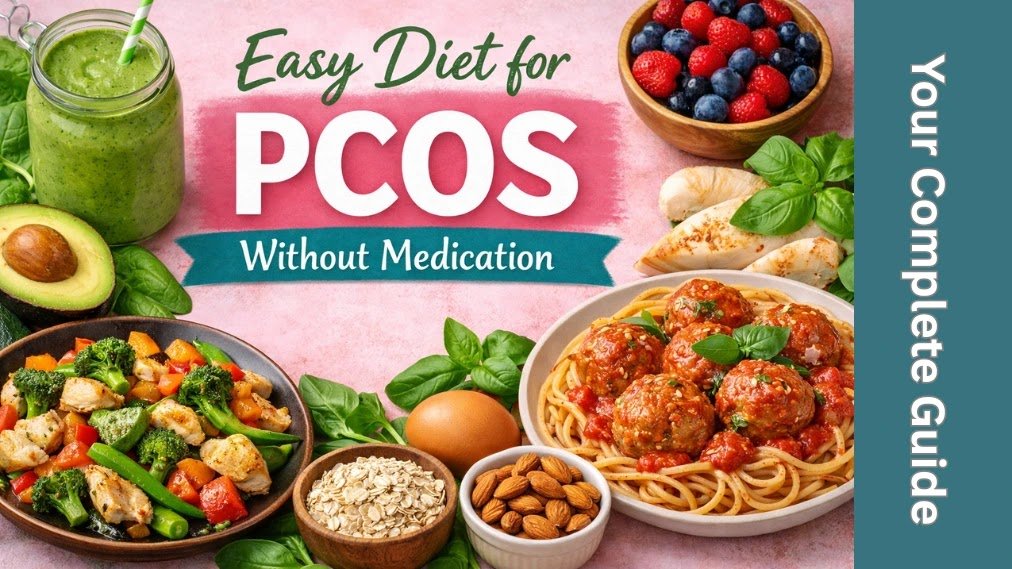
For PCOS (Polycystic Ovary Syndrome): The core issue is often insulin resistance. Priority goes to the low-glycemic Mediterranean diet, consistent movement, magnesium, inositol (a lesser-known but well-researched supplement), and stress management. Working with a PCOS-informed practitioner is valuable because standard supplements don’t always help.
For PMS: Magnesium, vitamin B6, calcium, and consistent exercise reduce symptoms significantly. Tracking your cycle with a cycle tracking app helps you see patterns and notice how lifestyle changes affect your symptoms over time.
For irregular periods: Sleep consistency, stress management, and adequate calories (undereating disrupts hormones badly) often help restore regularity. If periods have been irregular long-term, medical evaluation is worth doing.
Perimenopause and Menopause
Frequently Asked: How can I balance hormones naturally during perimenopause or menopause?
The perimenopause phase (5-10 years before your final period) is when hormonal chaos peaks. Your estrogen and progesterone are on a rollercoaster, which is why hot flashes, mood swings, and sleep problems are real and frustrating.
Natural approaches include:
- Extra focus on sleep consistency (harder to achieve, but critical)
- Increased magnesium and B vitamins
- Phytoestrogen-rich foods like soy, flax, and legumes
- Maca root and black cohosh are traditionally used (evidence is mixed but many women find them helpful)
- Stress management becomes even more important because cortisol interacts with declining estrogen
That said, hormone replacement therapy isn’t evil—sometimes bioidentical HRT is the right call alongside lifestyle measures. This is a conversation worth having with your doctor.
Gut Health and Hormones
Frequently Asked: How does gut health affect hormones?
Your gut microbiome directly influences estrogen metabolism through something called the estrobolome. Basically, certain bacteria help your body reabsorb and regulate estrogen. When your gut bacteria are out of balance (dysbiosis), estrogen metabolism suffers.
This is why the emphasis on fiber, fermented foods, and probiotics shows up repeatedly in hormone-balancing protocols. Feed your gut well, and your hormones tend to follow.
How Long Does This Actually Take?
Frequently Asked: How long does it take to see results from diet, sleep, stress management, and supplements on hormones?
Real talk: this varies enormously based on where you’re starting and how consistently you implement changes.
For sleep quality and mood, you might notice shifts in 1-2 weeks. For menstrual cycle regularity, skin improvements, and energy stability, expect 6-12 weeks of consistent practice. Some changes (like reaching a stable healthy weight or completely resolving irregular periods) take 3-6 months.
The timeline is faster if you’re addressing all the foundations at once—diet, sleep, stress, movement—rather than tweaking one thing. Also, the longer something’s been out of balance, the longer it often takes to restore.
This isn’t magical. It’s biology.
Safe, Natural Ways to Balance Hormones at Home
Frequently Asked: What are the safest natural ways to balance hormones at home?
Let’s put together the complete picture:
Week 1-2 focus: Establish consistent sleep schedule. Add magnesium if you’re not sleeping well. Start reducing processed foods and increasing vegetables.
Week 3-4 focus: Add daily movement. Introduce one stress management practice (yoga, meditation, or breathing exercises). Start cooking with olive oil and adding nuts/seeds to meals.
Month 2 focus: Check in on sleep quality. Evaluate stress management (are you actually doing it consistently?). Experiment with fiber-rich foods. Consider one additional supplement based on your specific needs.
Month 3+ focus: Notice changes. Adjust based on how you’re feeling. If you’re not seeing improvements, consider professional evaluation (thyroid panel, hormone panel, etc.) to rule out underlying conditions.
Can You Balance Hormones Naturally Without Medication?
Frequently Asked: Can I balance my hormones naturally without hormone replacement therapy or prescription meds?
For many people, yes. For some people, no, and that’s okay.
If you have a diagnosed thyroid condition, diabetes, severe PCOS, or premature menopause, medication might be necessary and beneficial. Natural approaches work alongside medication, not instead of it.
The sweet spot is usually: optimize lifestyle aggressively for 3-6 months, then reassess with professional guidance. Sometimes that aggressive lifestyle work is enough. Sometimes it’s not, and adding medication makes sense. Both paths are valid.
The Tools That Support Your Hormone-Balancing Journey
While food, sleep, stress management, and movement are the main characters, certain tools can help you stay consistent:
- Cycle tracking apps (if you menstruate) help you connect symptoms with cycle phases and notice how changes affect your patterns
- Sleep tracking wearables keep you accountable to consistent sleep
- Mindfulness apps make stress management accessible
- Meal planning apps built on Mediterranean or hormone-friendly principles reduce decision fatigue
- Evidence-based books or programs on natural hormone balance provide structured, multi-pillar approaches that are more effective than isolated hacks
The research is clear: combined approaches (food + sleep + stress + movement + supplements) work better than any single intervention.
The Bottom Line: Your Hormones Respond to What You Actually Do

Here’s what I want you to walk away with: your hormones aren’t broken beyond repair. They’re responsive systems that react to what you eat, how much you sleep, how stressed you are, and how much you move your body.
The most powerful thing isn’t a supplement or a test result. It’s consistency. It’s choosing the slightly more nutritious meal most days, going to bed at the same time, taking a walk when you’re stressed, and showing up for yourself.
Will you be perfect at all of this? No. Will you slip back into old patterns sometimes? Absolutely. The goal isn’t perfection—it’s progress and consistency.
Start with one change. Really master it, then add another. Your hormones have been trying to tell you something, and the good news is that they’re listening to you too. Give them what they need, and they’ll return the favor.
Your Next Steps
Ready to balance your hormones naturally?
- Pick your starting point: Is it sleep? Stress management? Adding more vegetables? Choose one thing you’re genuinely ready to commit to.
- Set a realistic timeline: Most people need 6-12 weeks to see meaningful changes. Mark it on your calendar and commit to that period.
- Consider professional guidance: If you have diagnosed conditions, track hormones, or want personalized recommendations, working with a functional medicine doctor or nutritionist accelerates progress.
- Track your progress: Keep a simple journal of sleep quality, energy levels, mood, and any other symptoms that bother you. Often progress is obvious in retrospect but invisible day-to-day.
Your body is incredibly smart. Give it the conditions it needs to function, and it will amaze you. You’ve got this.
FAQ Quick Reference
| Question | Quick Answer |
|---|---|
| What are the safest natural ways to balance hormones at home? | Focus on consistent sleep (7-9 hours), stress management, Mediterranean diet, daily movement, and targeted supplements under professional guidance. |
| Can I balance hormones without medication? | For many people yes, but for diagnosed conditions (thyroid disease, PCOS, diabetes, etc.), medication may be necessary and beneficial. |
| Which foods help and which should I avoid? | Eat: Mediterranean diet, whole grains, legumes, nuts, fish. Avoid: processed foods, refined carbs, excess alcohol, industrial seed oils. |
| How much sleep do I need? | 7-9 hours consistently, at the same time each day. Consistency matters as much as quantity. |
| How does stress affect hormones? | Chronic stress elevates cortisol, suppressing progesterone and estrogen, disrupting sleep, and affecting insulin sensitivity. |
| How do I handle PCOS, PMS, or irregular periods? | PCOS: insulin management and inositol. PMS: magnesium, B vitamins, tracking. Irregular: sleep, stress management, adequate calories. |
| How do I balance hormones during perimenopause/menopause? | Extra sleep focus, magnesium, B vitamins, phytoestrogen foods, stress management. Consider HRT discussion with doctor. |
| Which supplements actually work? | Magnesium, Vitamin D3, B-complex, Omega-3, Ashwagandha, probiotics. Quality matters; use under supervision. |
| How can I test my hormones? | At-home kits provide snapshots but should be interpreted with a clinician, not alone. Context matters. |
| How long until I see results? | Sleep/mood: 1-2 weeks. Energy/skin: 6-12 weeks. Cycle regularity/weight: 3-6 months. Consistency matters most. |
Authority Bio:
Hi, I’m MACHHINDRA Jadhav — a passionate Health Content Writer with 4+ years of experience in the health and wellness space. I specialize in breaking down complex topics like Disease & Conditions, Fitness, Mental Health, and Nutrition into simple, practical advice you can actually use in your daily life.
My goal is not just to inform, but to empower you to take control of your health naturally and confidently. Every article I write is backed by research, real insights, and a deep commitment to helping people live healthier, stronger, and more balanced lives.
If you’re looking for clear, honest, and actionable health guidance — you’re in the right place.
References
- National Institute of Diabetes and Digestive and Kidney Diseases (NIDDK)
- Mayo Clinic
- World Health Organization (WHO)
“This article is for educational purpose. Always consult your doctor.”
Last updated on 27/01/2026