Note: Caloric needs vary based on age, metabolism, muscle mass, and health conditions. Aim for a 300–500 kcal deficit for sustainable loss of 0.5–1 kg per week.
Your Weight Loss Questions—Answered
What is the best diet for weight loss for females over 40?
After 40, your metabolism naturally slows by about 2–8% per decade, and hormonal shifts (perimenopause and menopause) kick in. The best diet includes:
• Higher protein intake (1.2–1.6g per kg of body weight) to preserve muscle
• Schedule strength training sessions 3–4 days each week to improve metabolic function.
• Foods rich in phytoestrogens (soy, flaxseeds, chickpeas) if menopause symptoms are present
• Balanced carbohydrates with high fiber (oats, sweet potatoes, whole grains)
• Adequate sleep (7–9 hours), as sleep deprivation increases belly fat storage
A Mediterranean-style Indian diet works brilliantly for women over 40: think dal, leafy greens, nuts, fish, and whole grains.
What is the ideal number of calories a woman should eat each day to lose weight?
As mentioned earlier, it depends on your activity level, age, and metabolism. But here’s my practical advice:
Start with your maintenance calories (what you eat to stay your current weight) and reduce by 300–500 kcal. Most women find this sweet spot—it’s sustainable, preserves energy for workouts, and doesn’t trigger extreme hunger.
Track your intake for 2–3 weeks. If you’re not losing weight, drop another 100–150 kcal. Never go below 1200 kcal without professional supervision, as it can harm your metabolism, mood, and hormones.
Many women find that intermittent fasting—eating within an 8–10 hour window—helps them maintain lower calories without feeling deprived.
Can women follow a keto diet for weight loss safely?
Yes, but with caveats. Ketogenic (keto) diets—high fat, very low carb—can produce rapid initial weight loss and may improve insulin sensitivity. Some women report clearer skin, stable energy, and reduced cravings.
However, research shows mixed long-term results for women specifically. Keto can:
✓ Reduce appetite hormones (ghrelin)
✓ Improve cholesterol in some women
✗ Disrupt menstrual cycles due to rapid fat loss
✗ Cause fatigue, brain fog, and “keto flu”
✗ Lead to nutrient deficiencies (magnesium, potassium, fiber)
If you want to try keto, do it under guidance, ensure you’re getting electrolytes and micronutrients, monitor your cycle, and expect an adjustment period of 2–4 weeks. Many women thrive on a modified version: lower carb (100–150g daily) rather than strict keto.
What are safe weight loss rates for women?
Slow and steady wins the race. Aim for:
• 0.5–1 kg per week (1–2 pounds)
• Maximum 2 kg per month for sustainable results
Why? Losing weight faster often means losing muscle, water, and even bone density—not just fat. Plus, rapid weight loss tanks your metabolism and makes regaining weight almost inevitable.
A woman who loses 10 kg over 5 months is far more likely to keep it off than someone who crash-diets and drops 10 kg in 6 weeks. Trust the process. Your body is rewiring itself, and that takes time.
How does PCOS affect weight loss diets for women?
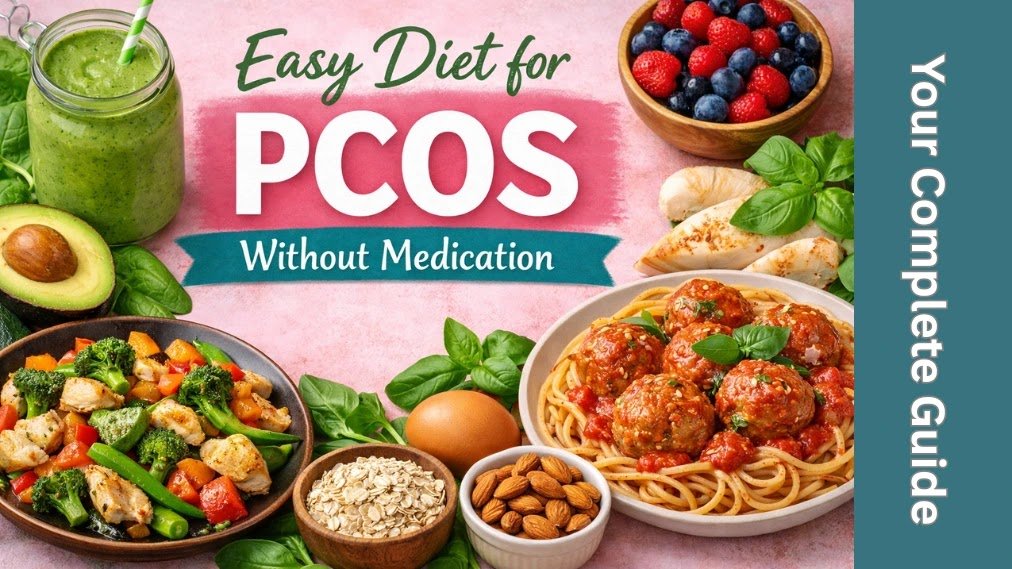
PCOS (Polycystic Ovary Syndrome) affects up to 1 in 5 women and makes weight loss genuinely harder due to insulin resistance. If you have PCOS:
Focus on: Low glycemic index foods (brown rice, lentils, sweet potatoes), adequate protein, anti-inflammatory foods (turmeric, ginger, leafy greens), and regular movement (walking, strength training).
Avoid: Refined sugars, processed foods, and extreme restriction (which can worsen insulin resistance).
Medications like inositol and metformin (when prescribed) can help. Many PCOS dietitians recommend a moderate-carb, high-fiber approach rather than keto.
Is intermittent fasting good for female weight loss?
Intermittent fasting (IF)—eating within a limited time window, like 12 PM–8 PM—can work beautifully for women, but timing matters.
Best practices for women:
• Avoid fasting during the luteal phase (second half of your cycle) when hunger hormones naturally rise
• Keep fasts between 12–14 hours, not 16+ (extended fasting can suppress reproductive hormones)
• Ensure you eat enough calories during eating windows—don’t use IF as an excuse to under-eat
• Stay hydrated, especially during fasting periods
Many Indian women find IF aligns naturally with cultural eating patterns and family schedules. Just respect your cycle and energy levels.
What high-protein foods help women lose belly fat?
Belly fat is notoriously stubborn, but high protein intake boosts metabolism, preserves muscle, and reduces hunger. Best high-protein options for Indian women:
Vegetarian: Lentils (dals), paneer, Greek yogurt, tofu, chickpeas, nuts, seeds, cottage cheese
Non-vegetarian: Chicken breast, fish, eggs, shrimp
Aim for 25–35g protein per meal to feel satisfied and maintain metabolic rate. Pairing protein with fiber (vegetables, whole grains) creates the perfect fat-loss combo.
Suggested post: High-Protein Indian Foods for Muscle Gain & Fat Loss Read more.
How to create a 1200-calorie diet plan for women
A 1200-kcal diet is low and should be temporary (4–8 weeks maximum) or done under professional guidance. Here’s a sample day that feels balanced:
Breakfast (300 kcal): Oats with almond butter, berries, and milk
Lunch (350 kcal): Grilled chicken, brown rice, steamed broccoli
Snack (100 kcal): Greek yogurt with honey
Dinner (350 kcal): Baked paneer tikka, quinoa, mixed salad
Evening (100 kcal): Herbal tea with a light snack
Pro tip: You’ll feel hungry. Combat this with water, herbal teas, fiber-rich foods, and movement. And please—don’t stay on 1200 kcal long-term. Your body needs fuel.
Does birth control make weight loss harder for women?
Hormonal birth control can affect weight loss, though experiences vary. Some women gain 1–2 kg and then stabilize; others face ongoing struggles.
Why? Birth control hormones (estrogen and progestin) can:
• Increase appetite
• Slow metabolism slightly
• Trigger water retention
• Increase cortisol sensitivity
If you’re on birth control and struggling: talk to your doctor about timing (some formulations are gentler), adjust calories upward by 100–150 kcal, focus on strength training, and manage stress. Some women find switching formulations helps tremendously.
What role does estrogen play in female weight loss diets?
Estrogen is your weight loss friend—until it isn’t. Here’s why:
High, balanced estrogen = better metabolism, easier fat burning, stronger bones
Low estrogen (postpartum, menopause) = slower metabolism, weight gain, fatigue
During reproductive years: Your cycle affects fat loss. You might lose weight more easily in the follicular phase (days 1–14) when estrogen is rising.
Postpartum: Breastfeeding increases estrogen slightly and burns 300–500 extra kcal daily. Non-breastfeeding mothers should eat more, not less, to support recovery.
Perimenopause/Menopause: Declining estrogen makes weight loss harder. Combat this with strength training (builds bone, boosts metabolism), phytoestrogen-rich foods, and stress management.
Best Diet Approaches for Female Weight Loss
Indian Diet Plan for Weight Loss Female
An Indian diet for weight loss should leverage traditional foods and cultural eating patterns, not fight against them.
Core principles:
• Use moong dal, masoor dal, and chana (chickpeas) as protein bases
• Cook with minimal oil (use 1–2 tsp per meal)
• Load every meal with vegetables
• Choose whole grain rotis and brown rice
• Include nuts and seeds (almonds, flaxseeds) for healthy fats
Sample meal: Moong dal with spinach, whole wheat roti, cucumber salad, and a spoon of ghee. This is nutritious, satisfying, and under 400 kcal.
The advantage? You eat familiar foods your family enjoys, making adherence far easier than exotic diet plans.
Vegetarian Diet for Weight Loss Female
If you’re vegetarian, weight loss is absolutely achievable. Focus on:
Protein sources: Paneer, tofu, lentils, chickpeas, peas, nuts, seeds, milk, yogurt
Healthy fats: Coconut oil, olive oil, nuts, seeds, avocado (use sparingly)
Carbohydrates: Whole grains, sweet potatoes, oats, millets
Tip for vegetarian women: Combine incomplete proteins (like rice + lentils) to get all essential amino acids. Eat at least 25–30g protein daily.
Post Pregnancy Diet for Weight Loss Female
Postpartum weight loss is a marathon, not a sprint. If breastfeeding, never go below 1800 kcal, as you risk depleting energy and milk supply.
First 6 weeks: Focus on healing, not weight loss. Eat nutrient-dense foods, stay hydrated, and rest.
After 6 weeks: If cleared by your doctor, aim for a gentle 300-kcal deficit. Include iron-rich foods (red meat, spinach, lentils) to recover from blood loss.
By 3 months postpartum: You can intensify slightly. Most women naturally lose the 5–8 kg of water weight; remaining fat loss comes gradually over 6–12 months.
Low-Carb Diet for Women Weight Loss
Low-carb diets (100–150g daily) offer a middle ground between keto and standard approaches. Benefits:
• Stabilized blood sugar = reduced hunger
• Preserved energy (more carbs than keto)
• Maintained hormonal health
• Works well for PCOS and insulin resistance
A day might look like: Eggs and toast for breakfast, salad with paneer for lunch, snack with nuts, and fish with vegetables for dinner. Totally doable and sustainable.
High-Protein Diet Plan for Females
Protein is the MVP for female weight loss. It:
• Increases metabolism by 20–30% during digestion (thermic effect)
• Preserves muscle during calorie deficit
• Reduces appetite and cravings
• Stabilizes blood sugar
Aim for 1.2–1.6g protein per kg of body weight. For a 65 kg woman, that’s roughly 80–100g daily.
Spread protein across meals: 25–35g per meal, 5–10g per snack. This keeps you full and satisfied all day.
Practical Strategies for Sustainable Weight Loss
Meal Planning & Prep
Dedicate 2 hours on Sunday to batch-cook dal, rice, and vegetables. Portion into containers. When healthy food is convenient, you’ll eat it. When it’s not, you’ll order takeout.
Hydration Matters
Drink 2.5–3 liters of water daily. Often, thirst masquerades as hunger. Plus, drinking water before meals reduces calorie intake by ~20%.
Sleep Your Way to Weight Loss
Poor sleep increases cortisol and hunger hormones. Aim for 7–9 hours. Women sleeping less than 6 hours gain weight faster.
Movement, Not Just Exercise
Strength training 3–4 times weekly (builds muscle, boosts metabolism). Walking 30 minutes daily (supports digestion, burns extra kcal). Yoga or stretching (reduces stress, improves recovery).
Manage Stress & Emotions
Chronic stress raises cortisol, which triggers belly fat storage. Practice meditation, journaling, or talking to friends. Food isn’t the answer to emotional eating—addressing the emotion is.
Track Without Obsessing
Use an app like MyFitnessPal for 2–3 weeks to learn portion sizes and calorie content. Then, you can eyeball portions intuitively. Obsessive tracking breeds disordered eating.
Weight Loss Myths—Debunked
Myth: Skipping meals burns more calories
Reality: Skipping meals slows metabolism, increases hunger hormones, and leads to overeating later. Eat regular meals.
Myth: Carbs make you fat
Reality: Taking in more calories than your body uses can cause fat gain, regardless of the source. Whole-grain carbs are nutrient-dense and support energy for workouts.
Myth: No food is off-limits unless you restrict
Reality: Deprivation breeds cravings and binge eating. Moderate amounts of favorite foods prevent mental breaks.
Myth: Exercise alone can create weight loss
Reality: Exercise builds muscle and health, but weight loss is 70% diet, 30% exercise. You can’t out-exercise a poor diet.
Myth: Women shouldn’t lift heavy weights
Reality: Strength training is crucial for weight loss in women. It preserves muscle, boosts metabolism, and improves bone health.
Want more expert tips on skincare, grooming, and self-care? Visit my
MJ Personal Care Blog for detailed guides, product insights, and practical routines designed to improve your daily personal care.
Don’t miss out—check it out now!
Disclaimer:
The information provided in this article is for educational and informational purposes only and should not be considered medical or professional advice. Individual nutritional needs may vary. Always consult a qualified healthcare professional or registered dietitian before making significant changes to your diet, exercise routine, or weight loss plan.
Conclusion: Your Weight Loss Isn’t About Perfection
Losing weight as a woman is deeply personal. Your body, hormones, life circumstances, and food preferences are uniquely yours. There’s no one-size-fits-all diet.
What I hope you take away from this guide:
1. Understand your body. Track your cycle, energy levels, and how foods make you feel. This data is gold.
2. Prioritize sustainability. A diet you can stick with for years beats a crash diet you quit in weeks.
3. Include protein, whole foods, and movement. These three pillars are non-negotiable for female health and fat loss.
4. Be patient. Your body took time to gain weight; it’ll take time to lose it healthily.
5. Seek support. Whether it’s a nutritionist, supportive friends, or an online community—don’t do this alone.
Your weight loss journey is a journey toward feeling stronger, more energized, and confident in your own skin. It’s not about fitting into a certain size or reaching a magic number on the scale. It’s about building a stronger, healthier version of yourself.
You’ve got this. And I’m rooting for you every step of the way.
Ready to start? Pick one strategy from this guide and implement it this week. Next week, add another. Slow, steady progress is how lasting change happens.