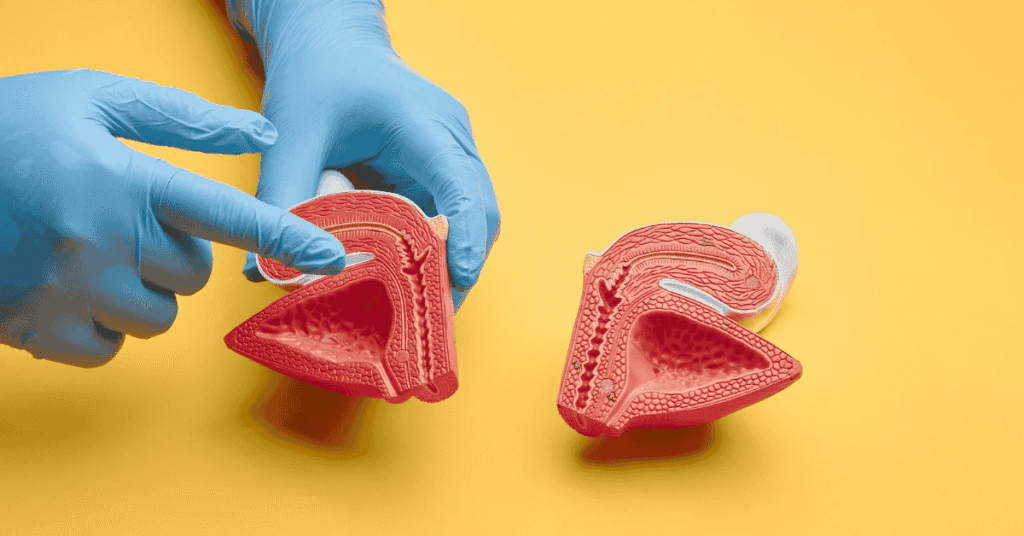
Discover the best treatment for uric acid kidney stones. Learn about alkalinization, medications, diet changes, and proven strategies to dissolve and prevent stones.
In this article, I have made an effort to explain the topic in a detailed and medically appropriate manner. The content has been prepared after careful research from reliable sources to ensure accuracy and relevance. Uric acid kidney stones are a common health concern affecting many individuals, and understanding the condition is an important step toward proper management. If you are experiencing this issue, the information shared here may help you make informed decisions regarding prevention and treatment. Additionally, if someone you know is dealing with the same problem, sharing this article may help them gain useful insights. For accurate and complete understanding, it is recommended to read the article in its entirety.

Let me tell you about the worst pain I’ve ever witnessed. My buddy Marcus called me at 2 AM, voice strained, saying he was heading to the ER. “Feels like someone’s stabbing me in the back with a hot knife,” he said. Turned out he was passing a kidney stone—specifically, a uric acid kidney stone.
Here’s what nobody tells you about kidney stones until you’re doubled over in agony: not all stones are created equal. And if you’ve been diagnosed with uric acid kidney stones, you’ve actually got some good news buried in that bad news. Unlike other types of kidney stones that basically laugh at medication and require surgical removal, uric acid stones can often be dissolved. Yes, dissolved—as in, melted away with the right treatment.
The best treatment for uric acid kidney stones isn’t just about managing pain when they happen. It’s about understanding what makes these particular stones tick, how to dissolve existing ones, and—most importantly—how to prevent them from ever forming again.
If you’re dealing with uric acid kidney stones, recently passed one, or just want to make sure you never join this painful club, you’re in the right place. We’re breaking down everything: what these stones actually are, why they form, and the proven treatments that work.
Quick Answer: How Are Uric Acid Kidney Stones Treated?
Treatment depends on the size of the stone. Small stones may pass naturally with increased fluid intake, while larger stones may require medications or medical procedures.
- Drink plenty of water (2–3 liters daily)
- Reduce high-purine foods
- Medications to lower uric acid
- Procedures like lithotripsy for large stones
What Are Uric Acid Kidney Stones and How Are They Different?
Before we dive into treatment, let’s understand what we’re dealing with. What are uric acid kidney stones and how are they different from other types of kidney stones?
The Kidney Stone Family
There are four main types of kidney stones:
Calcium Oxalate Stones (80% of cases): The most common. Hard as rocks. Usually need procedures to remove.
Calcium Phosphate Stones: Similar to oxalate but associated with different metabolic issues.
Struvite Stones: Caused by urinary tract infections. Can grow large and dangerous.
Uric Acid Stones (5-10% of cases): The ones we’re discussing. Made of crystallized uric acid.
What Makes Uric Acid Stones Special
Here’s the game-changer: uric acid kidney stones are radiolucent, meaning they’re invisible on standard X-rays. They’re also unique because they can be dissolved through medical treatment—something calcium stones can’t do.
How Uric Acid Stones Form:
Uric acid is a waste product created when your body breaks down purines (compounds found in certain foods and naturally produced by your body). Normally, uric acid dissolves in your blood, passes through your kidneys, and exits in urine.
But when conditions are right—or rather, wrong—uric acid crystallizes in your kidneys and forms stones.
The Three Key Factors:
- Acidic urine (low pH): This is the biggest factor. When urine pH drops below 5.5, uric acid crystallizes easily.
- High uric acid levels: Either from diet, genetics, or your body producing too much.
- Low urine volume: Concentrated urine means everything’s more likely to crystallize.
Think of it like making rock candy—the more concentrated and acidic the solution, the easier crystals form.
What Are the Most Common Symptoms of Uric Acid Kidney Stones?

What are the most common symptoms of uric acid kidney stones? They’re the same symptoms that make kidney stones universally dreaded.
The Pain
Renal colic is the medical term. “Worst pain of my life” is the patient term.
Characteristics:
- Sudden, severe pain in your side or back, below the ribs
- Pain that radiates to lower abdomen and groin
- Comes in waves, fluctuating in intensity
- Can’t find a comfortable position (unlike with appendicitis)
- May wake you from sleep
Why It Hurts So Much: The stone is trying to pass through a tube (ureter) that’s about the width of a cooked spaghetti noodle. Your ureter spasms trying to push it through, and if the stone gets stuck, urine backs up, stretching the kidney capsule.
Other Symptoms
Hematuria (blood in urine): Might be visible (pink, red, or brown urine) or microscopic (only seen on tests). The stone scrapes the urinary tract lining.
Frequent Urination: Feeling like you constantly need to go, especially as the stone reaches the bladder.
Painful Urination: Burning or stinging sensation when the stone is near the bladder or urethra.
Nausea and Vomiting: The shared nerve pathways between kidneys and GI tract cause this.
Fever and Chills: If present, this suggests infection—a medical emergency requiring immediate attention.
Cloudy or Foul-Smelling Urine: May indicate infection or high concentration of crystalline material.
When Stones Are Silent
Some uric acid kidney stones cause no symptoms at all, especially if they’re small and not blocking anything. They’re discovered incidentally on imaging done for other reasons.
Read our guide on What Causes Degenerative Joint Disease?
Why Do Uric Acid Stones Form?
1. Low Urine pH (Highly Acidic Urine)
This is one of the main reasons. Acidic urine allows uric acid crystals to form more easily.
2. High Uric Acid Levels
This can happen due to:
- Diet high in purines (red meat, organ meat, seafood)
- Certain metabolic conditions
3. Dehydration
Not drinking enough water makes urine concentrated, increasing the risk of stone formation.
4. Lifestyle and Health Factors
- Obesity
- Poor diet habits
- Sedentary lifestyle
- Diabetes or metabolic syndrome
How Are Uric Acid Kidney Stones Diagnosed?
How are uric acid kidney stones diagnosed? It requires a combination of imaging, urine tests, and blood work.
Imaging Studies
Are uric acid kidney stones visible on X-ray? Nope. This is what makes diagnosis tricky.
Standard X-ray (KUB – Kidneys, Ureters, Bladder): Misses uric acid stones entirely because they’re radiolucent (invisible to X-rays).
Ultrasound: Can detect uric acid stones and is radiation-free. Great for pregnant women or initial screening. Shows stones as echogenic (bright) areas with acoustic shadowing.
CT Scan (Non-Contrast): The gold standard. Uric acid kidney stone ultrasound vs CT—CT wins for accuracy. It can:
- Detect stones as small as 1-2mm
- Show exact location and size
- Differentiate uric acid from other stone types (based on density measurements)
- Reveal any obstruction or complications
Downside: Radiation exposure, though modern low-dose protocols minimize this.
Urine Tests
Urinalysis: Checks pH (critical for uric acid stones), presence of blood, crystals, infection.
24-Hour Urine Collection: The comprehensive test that measures:
- Urine volume (should be >2 liters/day)
- Uric acid excretion (high levels confirm overproduction)
- Urine pH (acidic pH confirms conducive environment)
- Other factors (citrate, calcium, oxalate)
This test guides personalized prevention strategies.
Blood Tests
Serum Uric Acid: Elevated levels suggest gout or overproduction.
Kidney Function (BUN, Creatinine): Ensures kidneys are working properly before starting certain medications.
Metabolic Panel: Checks for diabetes, electrolyte imbalances.
Treatment Based on Stone Size
- Small stones: Often pass naturally with hydration
- Medium stones: May need medication
- Large stones: Require procedures like laser or shock wave therapy
Monitoring During Dissolution Treatment

Home pH Monitoring: Essential for success.
How to Use Urine pH Test Strips:
- Test first morning urine (most acidic)
- Test before bed
- Aim for pH 6.0-6.5
- Adjust medication dose based on readings
Products: Over-the-counter urine pH test strips available at pharmacies. Multi-parameter dipsticks can also detect blood, protein, and signs of infection.
Medical Follow-Up:
- Repeat imaging (ultrasound or CT) every 3-6 months to assess stone dissolution
- Repeat 24-hour urine collection to confirm pH is in target range
- Blood tests to monitor kidney function and potassium levels
Timeline: Stones may dissolve in 6 weeks to 6 months, depending on size. Larger stones take longer.
Check our article on 7 Natural Ways to Support Blood Sugar.
Daily Routine to Prevent Uric Acid Stones
- Start your day with water
- Avoid tea/coffee on empty stomach
- Eat balanced meals
- Stay active
- Drink water throughout the day
Diet Tips for Indian Lifestyle
- Limit red meat and organ meat
- Avoid excess fried and oily food
- Include fruits, vegetables, and dal
Medications to Lower Uric Acid Production
For patients with high serum uric acid, gout, or uric acid kidney stones that don’t respond to alkalinization alone, uric acid-lowering medications may be added.
Allopurinol (Zyloprim)
How It Works: Inhibits xanthine oxidase, the enzyme that converts purines to uric acid. Less uric acid production means less to crystallize in urine.
When Prescribed:
- Serum uric acid >6.0-7.0 mg/dL
- Coexisting gout
- Stones recur despite alkalinization
- Very high urinary uric acid excretion
Dosage: Starting 100mg daily, gradually increased to 300-600mg based on response.
Effectiveness: Reduces uric acid levels by 30-50%. Combined with alkalinization, it’s highly effective.
Side Effects: Rash (can be serious—Stevens-Johnson syndrome in rare cases), GI upset, elevated liver enzymes.
Monitoring: Regular blood tests for liver function, kidney function, and uric acid levels.
Febuxostat (Uloric)
How It Works: Also inhibits xanthine oxidase but via a different mechanism than allopurinol.
When Prescribed:
- Allopurinol intolerance or allergy
- Inadequate response to allopurinol
- Moderate kidney disease (febuxostat is safer in renal impairment)
Dosage: 40-80mg daily.
Caution: FDA black box warning about cardiovascular risks. Typically reserved for patients who can’t tolerate allopurinol.
Important Notes on Uric Acid-Lowering Medications
These are prescription medications requiring medical supervision. They’re used alongside—not instead of—alkalinization therapy. The combination of raising urine pH and lowering uric acid production/excretion is most effective.
Dietary Strategies: Low Purine Diet and More

What diet changes help prevent uric acid kidney stones? Diet plays a crucial supporting role.
The Low Purine Diet
Diet plan for uric acid kidney stones focuses on reducing purine intake, which reduces uric acid production.
Foods to Limit or Avoid (High Purine):
| Food Category | Specific Examples |
|---|---|
| Red Meat | Beef, pork, lamb, game meats |
| Organ Meats | Liver, kidney, sweetbreads, brain |
| Certain Seafood | Anchovies, sardines, mackerel, herring, scallops, mussels |
| Alcohol | Beer especially (double whammy: purines + dehydration) |
| Sugary Drinks | Fructose increases uric acid production |
Foods You Can Enjoy (Low to Moderate Purine):
- Proteins: Chicken, eggs, low-fat dairy, tofu, legumes (moderate)
- Vegetables: Nearly all vegetables are fine, even high-purine ones like spinach and asparagus (vegetable purines don’t increase stone risk like animal purines do)
- Fruits: All fruits, especially cherries (may help lower uric acid)
- Whole Grains: Brown rice, whole wheat, oats
- Nuts and Seeds: Almonds, walnuts, flaxseeds
Why Animal Protein Matters: Animal proteins not only provide purines but also create acid when metabolized, lowering urine pH—a double hit.
Hydration: The Universal Stone Prevention Strategy
How much water should someone with uric acid kidney stones drink per day? Enough to produce at least 2-2.5 liters of urine daily.
Practical Target: 10-12 cups (80-96 ounces) of fluids daily, more in hot weather or with exercise.
Why It Works: Dilute urine means lower concentration of uric acid and less opportunity for crystallization.
Tips:
- Carry a large water bottle with intake tracking markers
- Set phone reminders
- Drink a glass upon waking, before each meal, and before bed
- Choose water over sugary drinks
- Include other fluids (herbal tea, lemon water)
Sugar-Free Electrolyte Powders: Low-sodium, citrate-containing options can support hydration while providing some alkalinization benefit. Choose products without excessive sodium.
Other Dietary Factors
Vitamin C: High doses (>1000mg/day) can increase uric acid excretion. Keep supplementation moderate.
Sodium: High sodium diets increase calcium excretion, which can promote calcium stone formation if urine becomes too alkaline. Moderate sodium intake (2300mg/day or less).
Coffee: Some studies suggest coffee may reduce uric acid levels. Moderate coffee consumption appears safe and potentially beneficial.
Also read the detailed post on Does Coffee Really Contain Cockroaches? Click here.
When Surgery or Procedures Are Necessary
While most uric acid kidney stones respond to medical dissolution, some situations require procedural intervention.
Indications for Procedures
Immediate Intervention Needed:
- Infected obstructed kidney (emergency)
- Complete urinary obstruction
- Intractable pain not responding to medication
- Deteriorating kidney function
- Solitary kidney with obstruction
Elective Intervention:
- Stone too large to pass or dissolve in reasonable time
- Patient can’t tolerate medical therapy
- Failed medical dissolution after 3-6 months
Procedural Options
Extracorporeal Shock Wave Lithotripsy (ESWL):
- Sound waves break stones into smaller pieces
- Non-invasive
- Good for stones <2cm in upper urinary tract
- Multiple sessions may be needed
Ureteroscopy with Laser Lithotripsy:
- Scope inserted through urethra/bladder into ureter
- Laser breaks up stone
- Fragments removed or allowed to pass
- Success rate >90% for most stones
- Same-day procedure
Percutaneous Nephrolithotomy (PCNL):
- For very large stones (>2cm)
- Access through small back incision
- Stone removed or broken up
- Requires hospitalization
After Any Procedure: Medical management (alkalinization, diet, hydration) is still necessary to prevent recurrence. Procedures remove current stones but don’t fix the underlying problem.
Reality Check
Not all kidney stones require surgery. Many small uric acid stones can pass naturally with proper hydration and lifestyle changes.
Preventing Recurrence: Long-Term Management
Passing or dissolving a stone is just the beginning. Recurrence of uric acid kidney stones prevention requires ongoing commitment.
The Recurrence Statistics
Without preventive measures, kidney stone recurrence rates are:
- 50% at 5 years
- 80% at 10 years
With proper prevention:
- <15% at 5 years
Long-Term Prevention Protocol
1. Maintain Urine pH
Continue alkalinization therapy indefinitely (or at least long-term). Potassium citrate dosage for uric acid stones is maintained based on urine pH monitoring.
Target: Keep urine pH consistently 6.0-6.5
Monitoring:
- Test pH at home 2-3 times weekly
- 24-hour urine collection annually
- Adjust medication as needed
2. Sustain Dietary Changes
The low purine diet for uric acid stones isn’t a temporary fix—it’s a lifestyle.
Realistic Approach:
- 80/20 rule: Follow guidelines 80% of the time
- Allow occasional indulgences
- Focus on overall patterns, not perfection
3. Hydration Forever
Adequate fluid intake must become habit. Use tools like high-volume water bottles with tracking markers to make it easier.
4. Manage Underlying Conditions
Metabolic syndrome and uric acid stones connection means:
- Weight loss if overweight (but gradual—rapid loss increases stone risk)
- Exercise regularly
- Control diabetes
- Manage blood pressure
- Improve insulin sensitivity
5. Regular Medical Follow-Up
- Annual kidney ultrasound (or as recommended)
- Periodic 24-hour urine collections
- Blood work to monitor kidney function, uric acid, potassium
6. Address Gout Aggressively
If you have both uric acid kidney stones and gout, controlling gout with medication (allopurinol, febuxostat) prevents both conditions from recurring.
Over-the-Counter and Supportive Products
While prescription medications are the primary treatment, several over the counter products for uric acid kidney stones provide support.
Home Monitoring Tools
Urine pH Test Strips:
- Essential for monitoring alkalinization therapy
- Test multiple times daily initially
- Available at pharmacies without prescription
Multi-Parameter Urine Dipsticks:
- Test pH, blood, protein, and other markers
- Helpful for detecting complications
24-Hour Urine Collection Kits:
- Usually provided by labs, but knowing how to use them properly is important
- Instructions included, but ask your doctor for clarification
Hydration Support Products
High-Volume Water Bottles with Time Markers:
- 1-2 liter capacity with hourly intake goals
- Visual reminder to drink consistently
- Motivational quotes don’t hurt either
Reusable Filtered Water Pitchers:
- Improve water taste, encouraging more consumption
- Some filter systems can adjust pH, though not sufficient for treatment
Supplements (Use Under Medical Supervision)
Citrate Supplements:
- Moonstone Stone Stopper: Food supplement with alkaline citrate for daily prevention
- Lit Control pH Up: Potassium and magnesium citrate combination
Note: While marketed as supplements, citrate products should be used under medical guidance, especially if you’re on prescription potassium citrate. Too much can cause side effects or interfere with other medications.
Educational Resources
National Kidney Foundation – Uric Acid Stones:
Free online educational materials covering causes, symptoms, diet, treatment, and prevention. Excellent patient resource.
Cleveland Clinic Uric Acid Stones Patient Page:
Comprehensive information on risk factors, diagnosis, and treatment options from a respected institution.
Hospital Patient Leaflets:
Many hospitals provide downloadable PDF guides on uric acid stone dissolution and pH monitoring. Ask your doctor or search your hospital system’s patient education library.
Specialist Kidney Stone Clinics:
Some centers offer telehealth consultations and long-term management programs combining medication management, dietitian input, and lab monitoring—ideal for recurrent stone formers.
Real Stories: Dissolving Stones Successfully
James, 52, Business Executive:
“I was hospitalized twice in one year with uric acid stones. The pain was unbelievable. My urologist started me on potassium citrate and put me on a low-purine diet. I bought pH test strips and tested daily. Within three months, my 8mm stone had completely dissolved on follow-up CT. A year later, no recurrence. It works if you stick with it.”
Linda, 38, Teacher with Metabolic Syndrome:
“I had two uric acid stones plus pre-diabetes. My doctor explained they were connected—my insulin resistance was making my urine acidic. Started metformin for the diabetes, potassium citrate for stones, lost 30 pounds gradually, and drank water like it was my job. Stones dissolved, lost weight, blood sugar improved. Whole health transformation.”
Marcus, 44, Software Developer:
“The 2 AM ER visit was my wake-up call. CT showed a 6mm stone and several smaller ones forming. Started allopurinol and sodium bicarbonate (potassium citrate gave me stomach issues). Cut way back on red meat and beer. Six months later, imaging showed all stones gone. Still take allopurinol, monitor pH monthly, and feel better overall.”
Frequently Asked Questions
Q: How long does it take to dissolve uric acid kidney stones?
A: With proper alkalinization therapy maintaining urine pH 6.0-6.5, small stones (<5mm) may dissolve in 6-12 weeks. Larger stones can take 3-6 months. Compliance with medication and monitoring is critical.
Q: Can I stop medication once stones dissolve?
A: No. Stopping treatment usually leads to recurrence. Uric acid stones form due to ongoing metabolic issues. Long-term prevention requires continued alkalinization, dietary changes, and hydration.
Q: Are there natural ways to dissolve uric acid kidney stones?
A: How to dissolve uric acid kidney stones naturally primarily involves hydration and diet, but these alone usually aren’t sufficient. Medical alkalinization is necessary for most people. Think of diet and hydration as supporting actors to medication’s starring role.
Q: Will lemon water help?
A: Lemon juice contains citrate, which theoretically helps. However, the amount of citrate in lemon water is far less than prescription potassium citrate. It’s a fine addition but not a substitute for medical treatment.
Q: What if I can’t tolerate potassium citrate?
A: Options include sodium bicarbonate, combination citrate products, or splitting doses to reduce GI upset. Always work with your doctor to find a tolerable alkalinization strategy—it’s too important to skip.
Q: Do I need to avoid all meat?
A: No. Moderate amounts of chicken, turkey, and fish are generally fine. The main culprits are red meat, organ meats, and certain shellfish. Complete protein restriction isn’t necessary or healthy.
Final Thoughts
Uric acid kidney stones are common but manageable.
The key is understanding the cause, making simple lifestyle changes, and seeking medical guidance when needed.
With the right approach, you can reduce the risk and prevent future complications.
About the Author
Machhindra Jadhav I am a health blogger focused on simplifying topics like health care, nutrition, and common health concerns. My goal is to provide clear, practical, and research-based information that readers can easily apply in their daily lives.
The content shared on this website is intended for educational purposes only and is based on general research and publicly available health information. It should not be considered a substitute for professional medical advice.
References
- National Institute of Diabetes and Digestive and Kidney Diseases (NIDDK)
- Mayo Clinic
- World Health Organization (WHO)
Disclaimer
This content is for informational and educational purposes only and should not be considered medical advice. Always consult a qualified healthcare professional for diagnosis and treatment.