Discover proven ways to control high blood pressure naturally through diet, exercise, and lifestyle changes. Science-backed strategies to lower BP safely at home.

Introduction: Why Your Blood Pressure Actually Matters
Let me be straight with you—high blood pressure is like that friend who quietly shows up and causes chaos before you even realize they’re there. You can’t feel it happening. Your chest doesn’t hurt. You don’t get dizzy. Yet it’s silently working behind the scenes, putting pressure on your heart, arteries, and kidneys.
Here’s the thing though: you have more control over this than you think.
If you’ve recently gotten a blood pressure reading that made you go “yikes,” or you’ve been told by your doctor that it’s time to make changes, you’re not alone. Nearly half of American adults deal with high blood pressure. But here’s the good news—unlike some health conditions that feel inevitable, high blood pressure responds brilliantly to lifestyle changes. Real, manageable, actually-doable changes.
This isn’t about perfection. This isn’t about becoming a gym rat overnight or eating only salads for the rest of your life. This is about understanding what actually works, why it works, and how to make it stick in your real, messy, wonderful life.
Understanding What Your Blood Pressure Numbers Mean
Before we jump into solutions, let’s decode what those numbers actually mean when your doctor wraps that cuff around your arm.
Your blood pressure reading comes with two numbers—something like 130/80 or 140/90. The first (systolic) reading measures blood pressure during a heartbeat. The diastolic number shows the pressure when the heart is resting between beats. Think of it like the force pushing water through a garden hose—you want it firm enough to work, but not so strong it bursts the hose.
Here’s what the numbers actually mean:
- Normal: Less than 120/80
- Elevated: 120-129 systolic and less than 80 diastolic
- High blood pressure (Stage 1) means a systolic pressure of 130–139 or a diastolic pressure of 80–89.
- High Blood Pressure Stage 2: 140 or higher systolic or 90 or higher diastolic
- Hypertensive Crisis: Higher than 180/120 (time to call your doctor or go to the ER)
Here’s the surprising part: many people with high blood pressure feel completely fine. That’s precisely why it’s dangerous. It’s the silent saboteur, slowly damaging your arteries and heart without you knowing.
How Can You Control High Blood Pressure Naturally at Home?
This is probably the question you’ve been losing sleep over. The answer is simpler than you’d expect, though it does require some intentional effort.
Natural blood pressure control revolves around five core pillars: what you eat, how much you move, how much you weigh, how much salt you consume, and how you handle stress. Attack these five areas, and you’ll likely see real results.
The thing that surprised me most researching this? Most people see measurable changes within 2-4 weeks of consistent effort. Not years. Weeks.
The Lifestyle Changes That Actually Lower Blood Pressure

Let’s break down what the science actually shows works, not what sounds good on Instagram.
1. Diet: The DASH Diet and Why It Works
The DASH diet (Dietary Approaches to Stop Hypertension) isn’t some trendy fad diet. It’s literally what heart doctors recommend because clinical trials have proven it works.
Here’s what DASH looks like in practice:
What to eat more of:
- Vegetables (aim for 4-5 servings daily)
- Fruits (4-5 servings)
- Whole grains instead of refined carbs
- Lean proteins like fish and poultry
- Low-fat dairy
- Nuts, seeds, and legumes
- Healthy oils like olive oil
What to eat less of:
- Processed foods (the sneaky salt culprit)
- Red meat
- Sugary drinks and desserts
- Foods high in saturated fat
- Anything with more than 2,300mg of sodium per day (ideally aim for 1,500mg)
The Mediterranean diet works similarly well. Basically, if it involves fresh, whole foods and minimal processing, you’re on the right track. The reason both work is simple—they’re high in potassium, magnesium, and fiber while being low in sodium and saturated fat. Your arteries literally like this combination.
A practical tip: When reading labels, look for the word “sodium.” If a single serving has more than 200mg, it’s probably higher than you want. Your taste buds will adjust within 2-3 weeks, I promise.
Suggested: Simple Diet Tips for Busy People
2. Weight Loss: The Pounds That Matter
Here’s a frustrating truth—losing just 10% of your body weight can lower your blood pressure by 5-20 points. That’s massive. But I know weight loss isn’t simple or linear or quick.
The good news? You don’t need to become a supermodel. You just need to move consistently in the direction of a healthier weight for your body.
The mechanism is straightforward: carrying excess weight means your heart has to work harder to pump blood to all those extra cells. Less weight equals less work for your heart. Easier blood pressure numbers.
Here’s what actually works for sustainable weight loss:
- Success comes from building good habits, not just watching the scale.
- Add protein to meals (helps you feel full)
- Reduce liquid calories (soda, fancy coffee drinks, alcohol)
- Eat slowly and actually taste your food
- Keep a loose food journal, even if just mentally
3. Exercise: Moving Your Way to Lower Blood Pressure
This is where people usually brace themselves for the bad news. “Do I have to run marathons?” Nope.
The recommendation is simple: 150 minutes of moderate aerobic activity per week. That sounds like a lot until you realize it’s just 30 minutes, five days a week. A brisk walk counts. Cycling counts. Swimming counts. Even active gardening counts.
Why exercise works: Physical activity trains your blood vessels to be more flexible. Your heart becomes more efficient. Your nervous system calms down. Over time, your resting heart rate actually drops, which is a sign your cardiovascular system is improving.
The best part? You’ll often see blood pressure improvements within 2-4 weeks, even before you lose a pound. The body responds remarkably quickly to consistent movement.
Strength training bonus: Adding 2-3 sessions of resistance training per week (light weights, resistance bands, or bodyweight exercises) supercharges the benefits. It helps with weight management and builds lean muscle that actually boosts your metabolism.
4. Salt: The Hidden Culprit

Let’s talk about sodium, because this is where most people unknowingly sabotage themselves.
Your body needs some sodium—about 500mg daily. But the average person eats 3,400mg. That extra sodium makes your body retain more water, which increases blood volume, which increases pressure on your arteries. Simple physics.
The trick: Most of the sodium we consume comes from sources other than the salt shaker. It comes from processed foods, restaurant meals, canned soups, bread, and condiments. That’s why cooking at home matters so much.
Practical cuts:
- Replace salt with herbs and spices (garlic powder, cumin, paprika, lemon zest)
- Buy low-sodium versions of canned goods
- Rinse canned beans to remove about 40% of the sodium
- Choose homemade salad dressing instead of bottled dressing.
- When eating out, ask for dishes made without added salt
Most people see results within 2-3 weeks of reducing sodium. It’s one of the fastest lifestyle changes you can make.
5. Stress and Sleep: The Underrated Players
Your nervous system controls a lot of your blood pressure response. During stress, certain hormones are released that briefly elevate blood pressure. When you’re chronically stressed, that temporary becomes permanent.
Stress management that actually works:
- Practice breathing exercises such as 4-7-8 breathing—inhale for 4, hold for 7, exhale for 8.
- Meditation or mindfulness (even 5 minutes daily helps)
- Yoga or gentle stretching
- Time in nature
- Creative hobbies that absorb your attention
- Connecting with people you care about
Sleep is equally crucial. When you’re sleep-deprived, your body’s stress hormones stay elevated. Aim for 7-9 hours. This single change can lower blood pressure by 5-10 points.
Which Foods Should You Actually Avoid?
Let me be honest—you don’t have to eliminate foods. You have to be strategic.
Reduce these:
- Processed meats (bacon, sausage, deli meat)—super high in sodium
- Canned soups and broths—often 800mg+ sodium per serving
- Alcohol—more than 1-2 drinks daily raises BP
- Sugary drinks and energy drinks—linked to higher BP
- High-fat dairy—switch to low-fat alternatives
- Foods with trans fats (some baked goods, fried foods)
Focus on these instead:
- Potassium-rich foods (bananas, sweet potatoes, spinach, beans, avocados)—potassium counteracts sodium’s effects
- Foods high in magnesium (nuts, seeds, dark leafy greens, whole grains)—helps blood vessels relax
- Fatty fish like salmon (omega-3s help reduce inflammation)
- Eating dark chocolate with at least 70% cocoa in moderation may benefit your health thanks to its flavonoids.
How Fast Can You Actually Lower Blood Pressure Safely?
This is the impatient question, and I respect it. Here’s the real timeline:
Within 1-2 weeks: You might notice you feel slightly different, maybe a bit less bloated from reduced sodium.
Within 2-4 weeks: Real blood pressure changes start showing up. Drops of 5-10 points are common with consistent diet and exercise changes.
Within 8-12 weeks: If you’re being consistent, you could see drops of 15-20+ points. This is when many people realize “oh wow, this actually works.”
Beyond 3 months: The changes become more stable and sustainable. Your body adapts, and your new normal becomes… well, your new normal.
Important reality check: If you’re on blood pressure medication, don’t stop taking it while making these changes. Work with your doctor. As your lifestyle improves, your doctor might reduce your dosage. But stopping suddenly isn’t safe.
How often is it recommended to monitor your blood pressure at home?

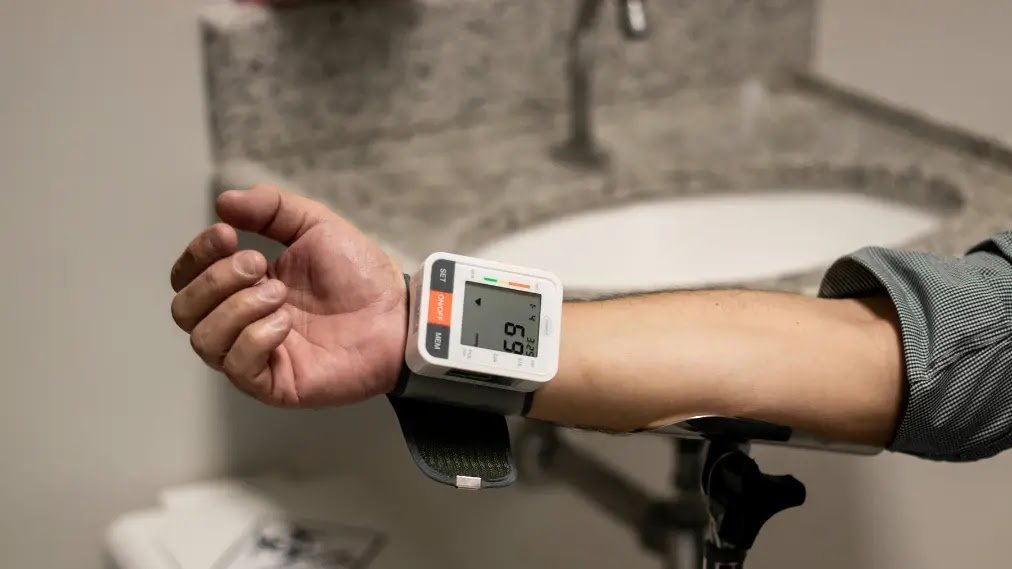
Getting a validated home blood pressure monitor is genuinely useful. Here’s why: blood pressure fluctuates throughout the day, and a single reading at the doctor’s office might not tell the full story.
Best practices:
- Check in the morning before taking medication and breakfast
- Check in the evening
- Take two or three readings, pause 1–2 minutes between each, and average the results.
- Check at the same times daily for consistency
- Keep a simple log to track patterns
What numbers matter: You’re aiming for consistently less than 130/80 (or whatever your doctor recommends based on your age and other conditions). If you’re consistently above that, it’s time for a doctor conversation.
Note: Some people get “white coat syndrome”—their pressure jumps at the doctor’s office out of nervousness. Home readings are often more reflective of your actual numbers.
Supplements: Do They Actually Help?
This is the area where I want to be brutally honest. Some supplements have modest research support, but they’re not replacements for lifestyle changes. They’re add-ons, and only with medical approval.
Supplements with some evidence:
Magnesium: Studies show people with high blood pressure often have lower magnesium. Supplementing might help slightly, but it depends on your kidney function and other medications. Talk to your doctor first.
Fish Oil (Omega-3s): The research is mixed, but there’s enough evidence that doctors often recommend it for heart health generally. Again—doctor’s approval first.
Garlic: Some studies show aged garlic extract might help, though the effect is modest. It’s more of a “can’t hurt, might help” situation, but check with your doctor about interactions with blood pressure medications.
Potassium: Don’t supplement with potassium without medical guidance. If you have kidney issues or take certain medications, too much potassium is actually dangerous. Get it from food instead.
When Should You Actually Call Your Doctor?
Not everything needs medication, but some situations do.
See your doctor if:
- Your blood pressure consistently stays above 140/90 despite lifestyle changes
- You’ve made changes for 3+ months with no improvement
- You’re experiencing chest pain, shortness of breath, severe headaches, or vision changes
- You’re having a hypertensive crisis (above 180/120)
The reality: Some people’s blood pressure responds amazingly to lifestyle changes alone. Others genuinely need medication, even with perfect lifestyle choices. Genetics matter. Age matters. Other health conditions matter. This isn’t failure—it’s biology.
The One Week Challenge: What’s Realistic?

I see articles promising to lower blood pressure in one week, and I want to be honest about this. Here’s what’s actually possible:
You can make dramatic changes in one week:
- Eliminate all processed foods and high-sodium items
- Start exercising daily
- Cut out alcohol and caffeine
- Get 8+ hours of sleep
- Meditate or do breathing exercises daily
Will these show up on your blood pressure numbers after one week? Maybe. You might see a 5-10 point drop. Some people see more. But real, lasting change takes 2-4 weeks minimum, preferably 8-12 weeks.
The one-week challenge is useful for starting, not for finishing. Think of it as the beginning of a new way of living, not a quick fix.
Creating Your Personal Action Plan
This is where the rubber meets the road. Here’s how to actually make this happen:
Week 1-2: Foundation
- Download a blood pressure app or get a home monitor
- Take baseline readings
- Start tracking what you eat (even loosely)
- Begin walking 20 minutes daily
- Cut one obviously salty food
Week 3-4: Building
- Shift to home-cooked meals for at least 5 dinners
- Increase walks to 30 minutes, 5 days a week
- Add a stress management practice (meditation, yoga, whatever appeals to you)
- Replace sugary drinks with water or herbal tea
- Start meal planning to make cooking easier
Week 5-12: Sustaining
- Make half your grains whole grains
- Add strength training 2x weekly
- Get serious about sleep (7-9 hours nightly)
- Track progress and celebrate small wins
- Schedule a doctor’s appointment to review results
The Bottom Line: You’re In Control Here
Here’s what I want you to take away: high blood pressure is one of the most controllable health conditions. You’re not at the mercy of your genetics or your past habits.
The lifestyle changes that lower blood pressure—eating better, moving more, managing stress, losing weight, reducing salt—they don’t just help your blood pressure. They make you feel better, sleep better, have more energy, and reduce your risk of basically every chronic disease.
Start small. Be consistent. Be patient. Your body is listening, even if the changes don’t show up immediately.
And remember: this isn’t about being perfect. It’s about being intentional. It’s about caring enough about your future self to make changes today.
Frequently Asked Questions About Blood Pressure Control
Q: Can you lower blood pressure in one week?
A: You can make significant lifestyle changes in a week and might see small improvements. Real, lasting reductions typically take 2-4 weeks of consistency.
Q: Is it possible to control high blood pressure without medication?
A: Many people do, especially with early-stage high blood pressure. However, some people’s biology requires medication. Work with your doctor to determine your situation.
Q: Question: What’s the fastest method to reduce blood pressure?
A: The combination of reducing sodium, exercising daily, and managing stress typically shows the fastest results. Most people see changes within 2-4 weeks.
Q: How much weight do I need to drop to control my blood pressure? A: Even losing 5-10% of your body weight can help. You don’t need to reach an “ideal” weight—moving in the right direction matters.
Q: Should I take supplements for blood pressure?
A: Only with medical guidance. While some supplements have modest evidence, they complement rather than replace lifestyle changes and medication. Always check with your doctor first.
Q: How do you know if your blood pressure is controlled?
A: For most people, controlled means consistently under 130/80. Your doctor may have different targets based on your age and health conditions. Home monitoring helps you track this.
Q: Can stress alone cause high blood pressure?
A: Stress can raise blood pressure, but chronic high blood pressure usually involves multiple factors—diet, weight, sodium intake, genetics, and stress combined.
Q: What changes between Stage 1 and Stage 2 blood pressure? A: Stage 1 is 130-139 systolic or 80-89 diastolic. When blood pressure hits 140 over 90 or higher, it’s classified as Stage 2. Stage 2 typically requires more aggressive treatment, possibly medication.
Q: Is high blood pressure reversible?
When caught early, high blood pressure can often be improved without medication. Advanced high blood pressure might require medication to prevent damage, but lifestyle changes enhance medication’s effectiveness.
Q: How often should you exercise to control blood pressure?
A: 150 minutes of moderate exercise weekly (like 30 minutes, 5 days a week) is the standard recommendation. More is fine, but consistency matters more than intensity.
Your Next Steps
- Get your blood pressure measured if you haven’t recently. Know your starting point.
- Pick ONE thing to change this week. Not everything. One. (Maybe it’s swapping processed snacks for fruit, or adding 15 minutes of walking.)
- Track your changes. Whether it’s a notebook or your phone, write down what you’re doing. You’ll notice patterns and feel progress.
- Schedule a follow-up with your doctor in 8 weeks to review your blood pressure and discuss whether medications need adjusting.
- Be kind to yourself when you slip up. Everyone does. The goal is consistency, not perfection.
Your blood pressure is listening. Your body is ready. The question is—are you?
Authority Bio:
Hi, I’m MACHHINDRA Jadhav — a passionate Health Content Writer with 4+ years of experience in the health and wellness space. I specialize in breaking down complex topics like Disease & Conditions, Fitness, Mental Health, and Nutrition into simple, practical advice you can actually use in your daily life.
My goal is not just to inform, but to empower you to take control of your health naturally and confidently. Every article I write is backed by research, real insights, and a deep commitment to helping people live healthier, stronger, and more balanced lives.
If you’re looking for clear, honest, and actionable health guidance — you’re in the right place.
References
- National Institute of Diabetes and Digestive and Kidney Diseases (NIDDK)
- Mayo Clinic
- World Health Organization (WHO)
“This article is for educational purpose. Always consult your doctor.”
Last Updated on 23/01/2026